
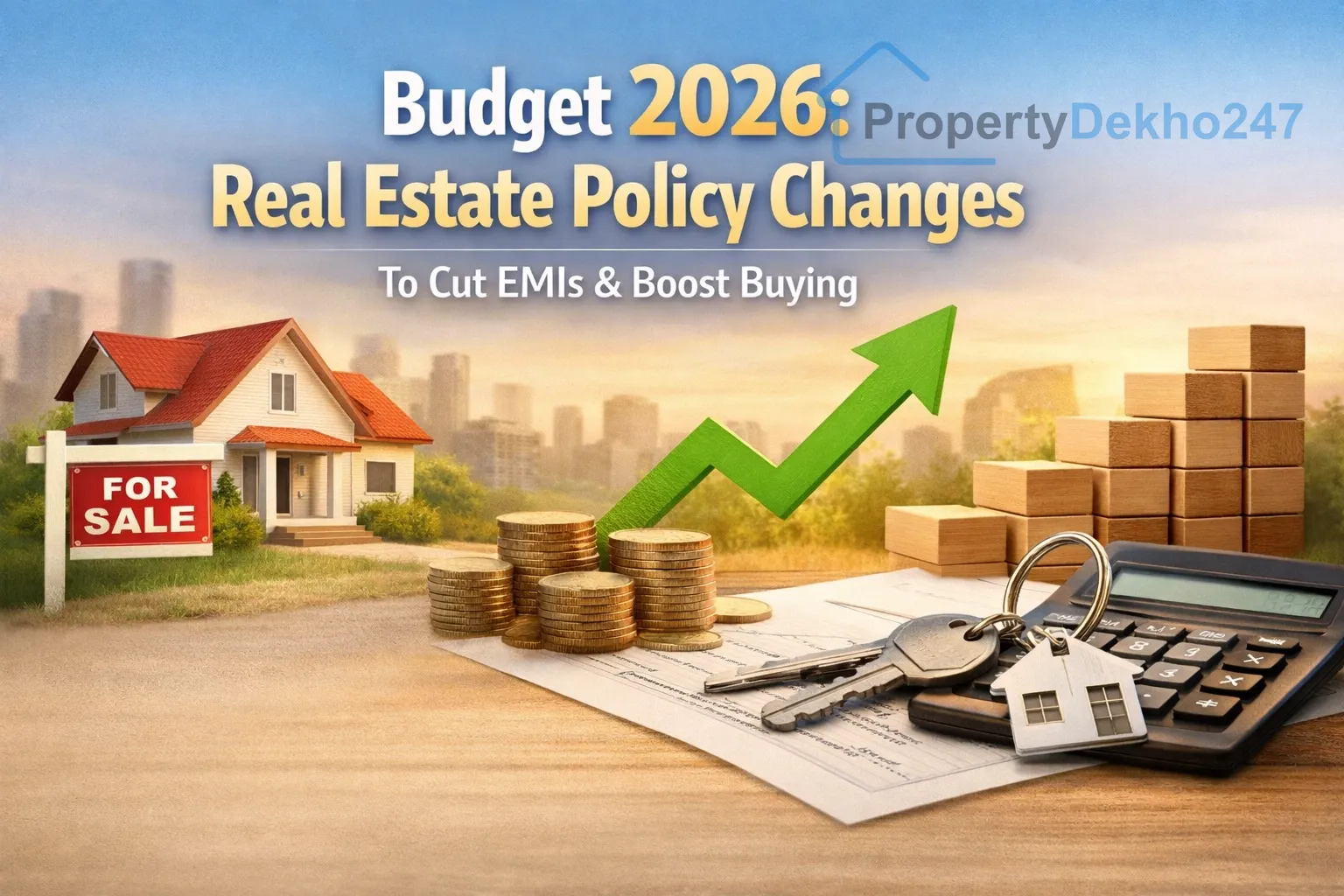
Budget 2026: Real Estate Policy Changes to Cut EMIs & Boost Buying
The housing sector remains one of the most powerful economic multipliers in India that makes significant contributions to GDP, employment, construction, manufacturing, and financial services.However, the rise in property prices, rise in the interest rates and the frozen subsidy levels have pushed the middle income earners and first time home buyers out of the market especially in the big cities.
Budget 2026 is expected to address long standing structural gaps in the real estate sector through focused policy reforms aimed at reducing home loan EMIs, improving access to housing credit, offering tax incentives and promoting sustainable housing finance. If implemented effectively, these measures can revive stalled housing demand, accelerate inventory absorption and position real estate as a key driver of inclusive economic growth.
Housing Subsidies: Why Affordability Still Fails in Big Cities
Limitations of Existing Housing Subsidy Schemes
Government initiatives like the Credit Linked Subsidy Scheme (CLSS) under PMAY Urban have helped millions of households through interest subsidies. However, a critical flaw remains:
Income eligibility limits are static
Property price caps do not reflect city wise inflation
Rapid price appreciation in metros has reduced real subsidy coverage
As a result, buyers in cities like Bengaluru, Pune, Gurgaon, Mumbai and Hyderabad often fall outside eligibility despite being genuine end users.
Expected Budget 2026 Reform: Dynamic Subsidy Indexing
Budget 2026 may introduce dynamic indexing of income and property value thresholds, linked to:
CPI Housing inflation
City specific benchmarks
Regional wage growth
This reform would ensure that housing subsidies remain relevant in fast growing urban markets, especially Tier-1 and emerging Tier-2 cities.
Impact on EMIs
Continued 20-year subvention for EWS/LIG buyers
Gradual subsidy support for MIG-I first time buyers
Potential 15–20% reduction in effective EMIs
No artificial inflation in property prices.
Home Loan Reforms: How Liquidity & Longer Tenures Can Cut EMIs
The Liquidity Challenge in Affordable Housing Loans
Housing loans account for over 14% of total bank credit, yet loans under ₹50 lakh face higher funding costs due to liquidity constraints. This disproportionately affects affordable and mid income homebuyers.
Proposed Housing Liquidity Facility (HLF)
Budget 2026 may introduce a ₹25,000 crore Housing Liquidity Facility, funded through:
NABARD refinance.
Multilateral development institutions.
Zero coupon government bonds.
Expected Benefits:
Lower cost of funds for lenders.
Home loan interest rates below 7% for affordable housing.
Increased credit flow to first time buyers.
Longer Loan Tenures & Step Up EMIs
To align loans with real income growth, the budget may mandate:
30-year home loan tenures for salaried first time buyers.
Step up EMI structures linked to career progression.
Customized underwriting for gig workers and young professionals.
This approach supports buyers in Tier-2 and Tier-3 cities, where incomes grow steadily over time.
Tax Breaks: How Budget 2026 Can Make Home Loans Affordable
Why Tax Benefits Drive Buying Decisions
Nearly 60% of home purchases in the ₹40–80 lakh segment depend on post tax affordability, making tax reforms a powerful demand lever.
Expected Income Tax Reforms in Budget 2026
Key proposals include:
Increasing Section 24(b) home loan interest deduction.
From ₹2 lakh to ₹3 lakh for first-time buyers.
Introducing an additional ₹1.5 lakh deduction for PMAY eligible homes.
Enhancing principal repayment benefits under Sections 80EEA/80EEB.
Boosting Secondary & Stalled Projects
Time bound tax incentives for stalled project completions.
Encouragement for resale and upgrade transactions.
Faster capital circulation in the housing market.
Rationalising Notional Rent Taxation
Relaxing tax on self occupied second homes would:
Remove lock in effects.
Enable upgrading families.
Support urban mobility and workforce migration.
Housing Finance Reforms: Faster Home Loans Through Digital Credit
Digital Credit Still Underutilised in Housing
Despite the success of Account Aggregators (AA) and Open Credit Enablement Networks (OCEN), housing finance has lagged in adoption especially for informal and semi formal earners.
Budget 2026 Proposal: Housing Credit Passport
A proposed Housing Credit Passport could integrate:
ITR filings
GST records
UPI cash flows
Bank transaction data
Key Advantages:
Cash flow based underwriting.
Eligibility for 40 million underserved borrowers.
Loan approval time reduced from 30 days to under 72 hours.
Green Housing Finance: Affordable Homes With Lower Borrowing Costs
Green Mortgages & Lower Interest Rates
Aligned with India’s net zero commitments, Budget 2026 may introduce:
Green home loans at 50 basis points below prime rates.
Risk weight exclusions for certified green projects.
EV charging.
Energy efficient materials.
Water & waste management systems.
Green Affordable Housing Fund
A proposed ₹5,000 crore Green Affordable Housing Fund, managed by SIDBI, could:
Finance carbon neutral residential projects.
Fund green certifications.
Support small and mid sized developers.
Integrate Indian developers into global sustainable supply chains.
Macro Economic Impact
If implemented holistically, Budget 2026 real estate reforms could:
Trigger approx. 10 million housing units annually.
Improve household balance sheets.
Reduce inflation vulnerability.
Generate employment across allied sectors.
Strengthen urban infrastructure development.
Real estate would shift from a volume driven industry to a long term affordability engine.
FAQs
1.Will Budget 2026 reduce home loan EMIs?
Yes, through lower interest rates, longer tenures, housing liquidity support, and enhanced tax deductions.
2.Who benefits most from Budget 2026 housing reforms?
First time buyers, middle-income households, gig workers, and buyers in Tier-2 and metro cities.
3.Is there any proposal for higher tax benefits on home loans?
Budget 2026 may increase Section 24(b) limits and introduce additional deductions for PMAY eligible homes.
4.Will affordable housing loans get cheaper?
Yes, a proposed Housing Liquidity Facility could reduce rates below 7% for affordable segments.
5.What is green housing finance?
It refers to lower cost home loans for energy efficient and environmentally sustainable residential projects.
Conclusion
Budget 2026 has the potential to transform the real estate ecosystem in India by focusing on affordability, accessibility and sustainability.The government can turn housing into inclusive infrastructure and not an exclusive asset class by implementing more responsible subsidies, increasing liquidity, rationalising taxes, reforming digital credit and encouraging green finance.When these reforms are efficiently put across, they will not only lead to a decrease in the EMIs and a boost in home purchase but also create a strong, transparent and progressive housing market, which will enable millions of Indian families to achieve the dream of owning a home.Read More


Owner Verified
Mapsko Casa Bella
 Exact floor hidden for Owner Privacy.
Status: Ready to move

Owner Verified
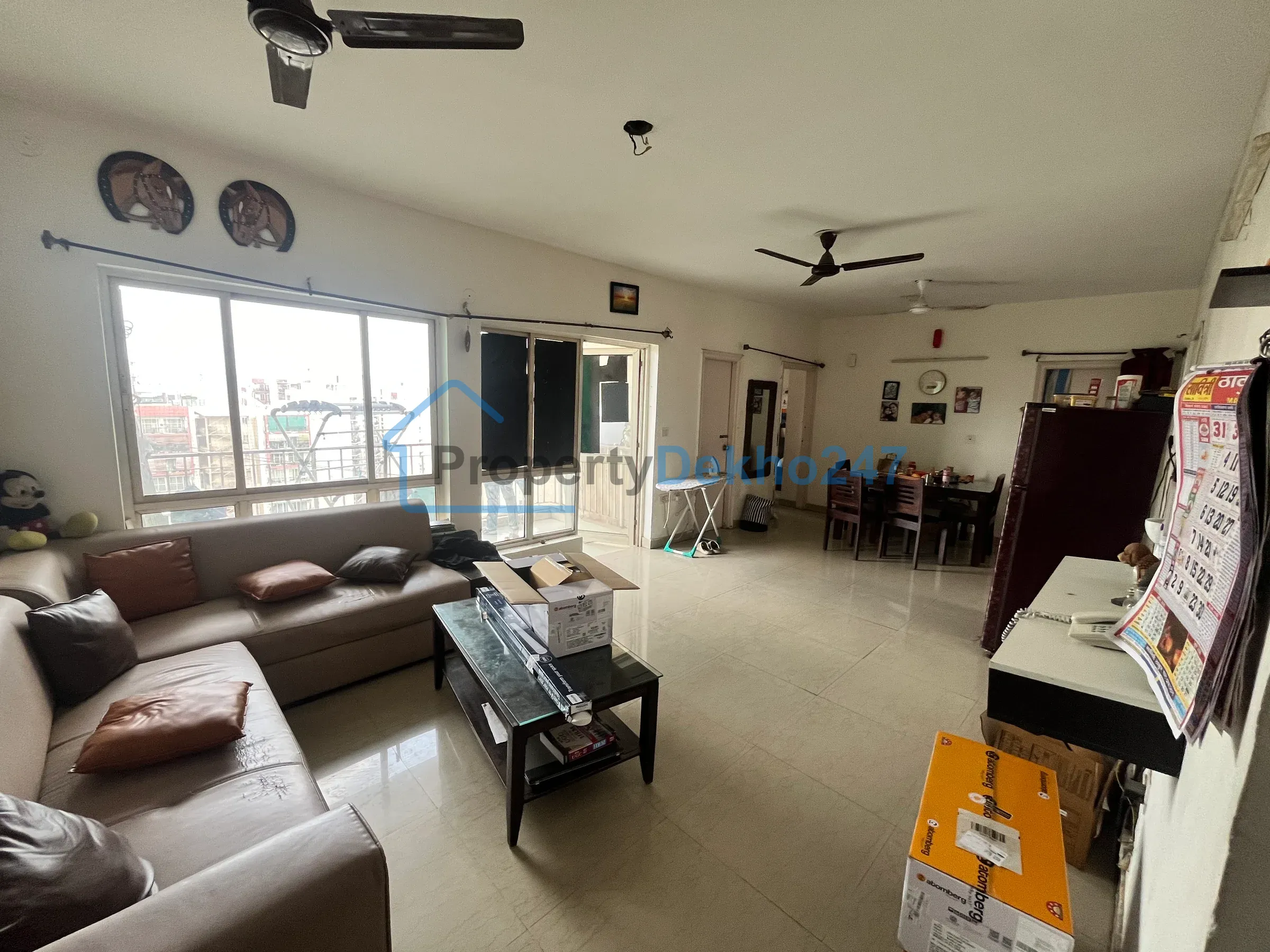
Pareena Coban Residences
Exact floor hidden for Owner Privacy.Status: Ready to move
Owner Verified
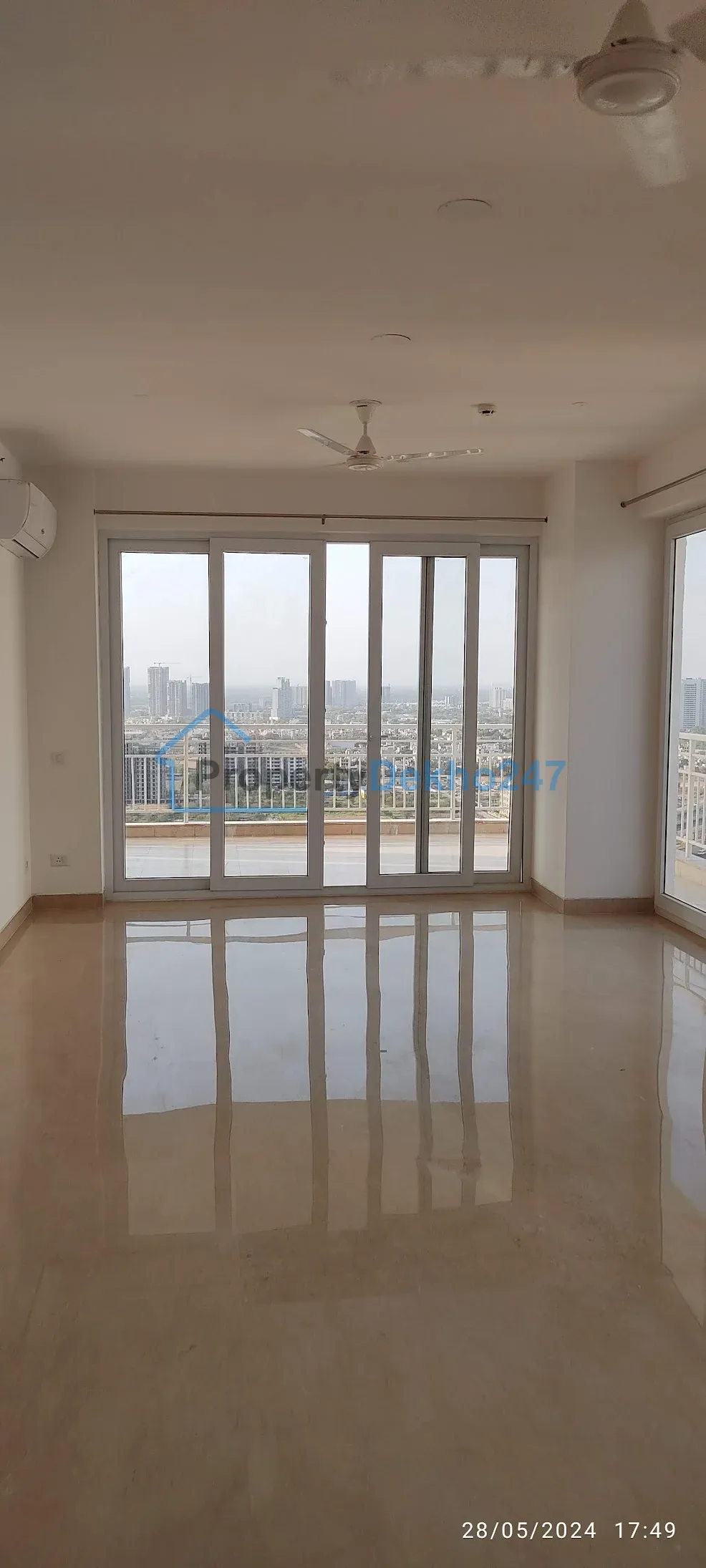
Orris Carnation Residency
Exact floor hidden for Owner Privacy.Status: Ready to move
Owner Verified
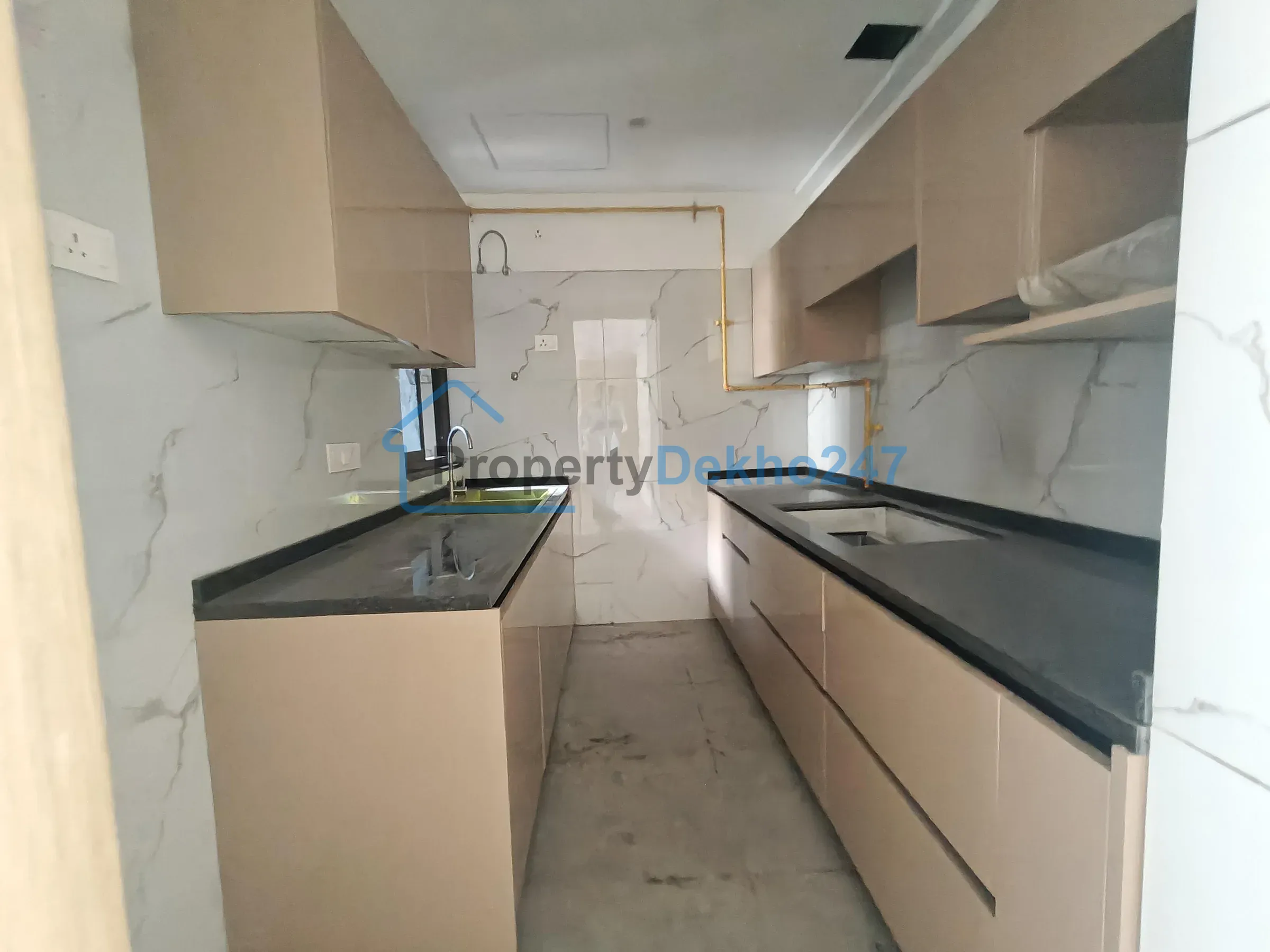
Puri Emerald Bay
Exact floor hidden for Owner Privacy.Status: Ready to move
Owner Verified
Whiteland Blissville
Status: Ready to move

Owner Verified
M3M Urbana Business Park
Exact floor hidden for Owner Privacy.Status: Ready to Move
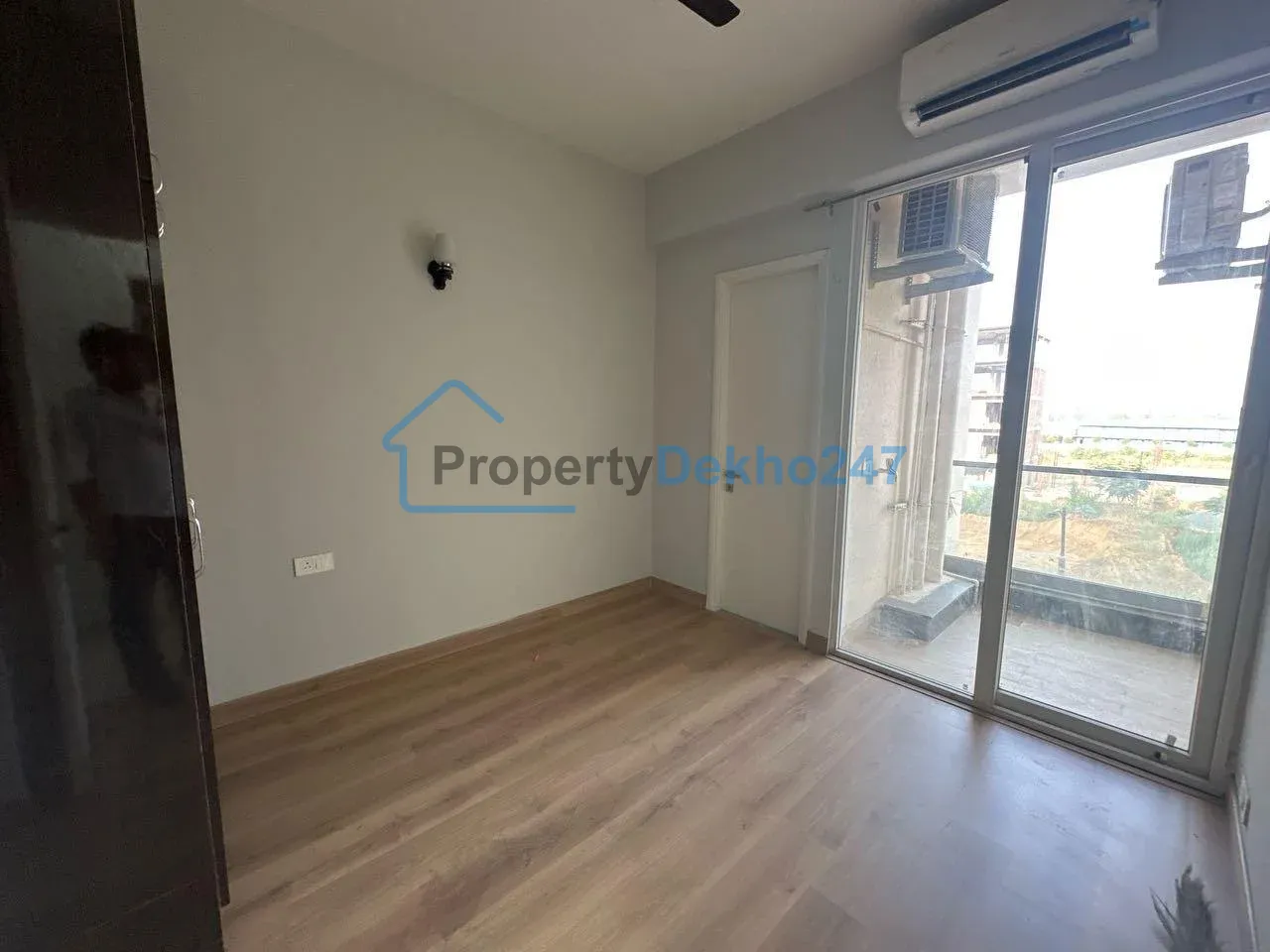
Owner Verified
Signature Global City 92
Status: Ready to move

Owner Verified
Diplomats Golf Link
Exact floor hidden for Owner Privacy.Status: Under Construction

Owner Verified
Vatika Lifestyle Homes
Exact floor hidden for Owner Privacy.Status: Ready to move

Owner Verified
M3M Golf Hills
Exact floor hidden for Owner Privacy.Status: Under Construction
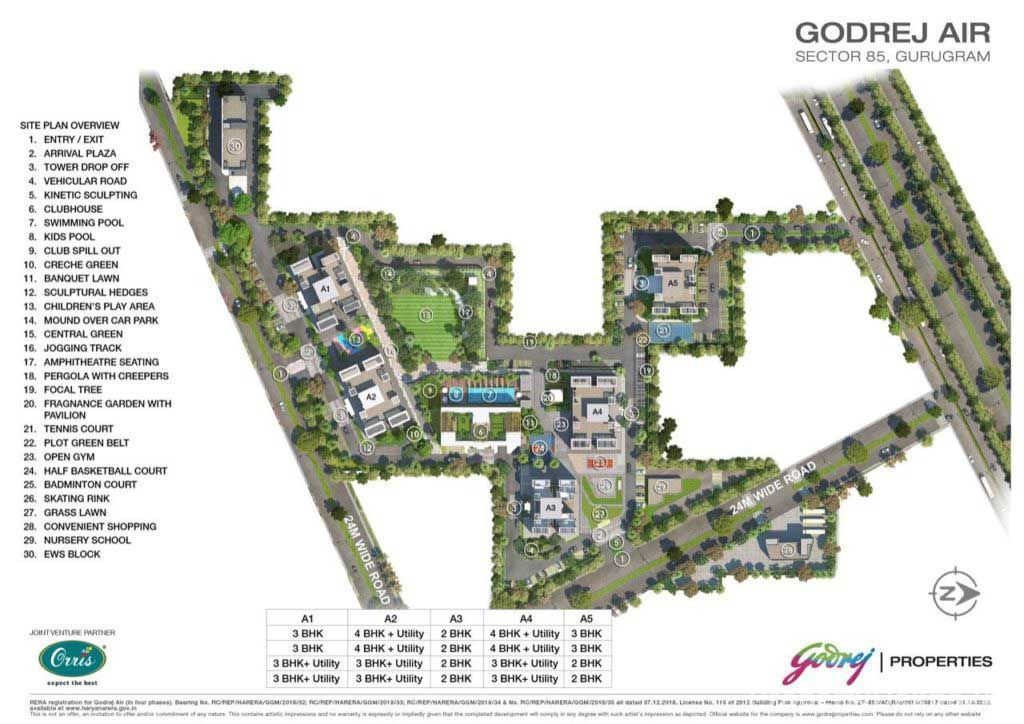
Owner Verified
Godrej Air
Exact floor hidden for Owner Privacy.Status: Ready to move
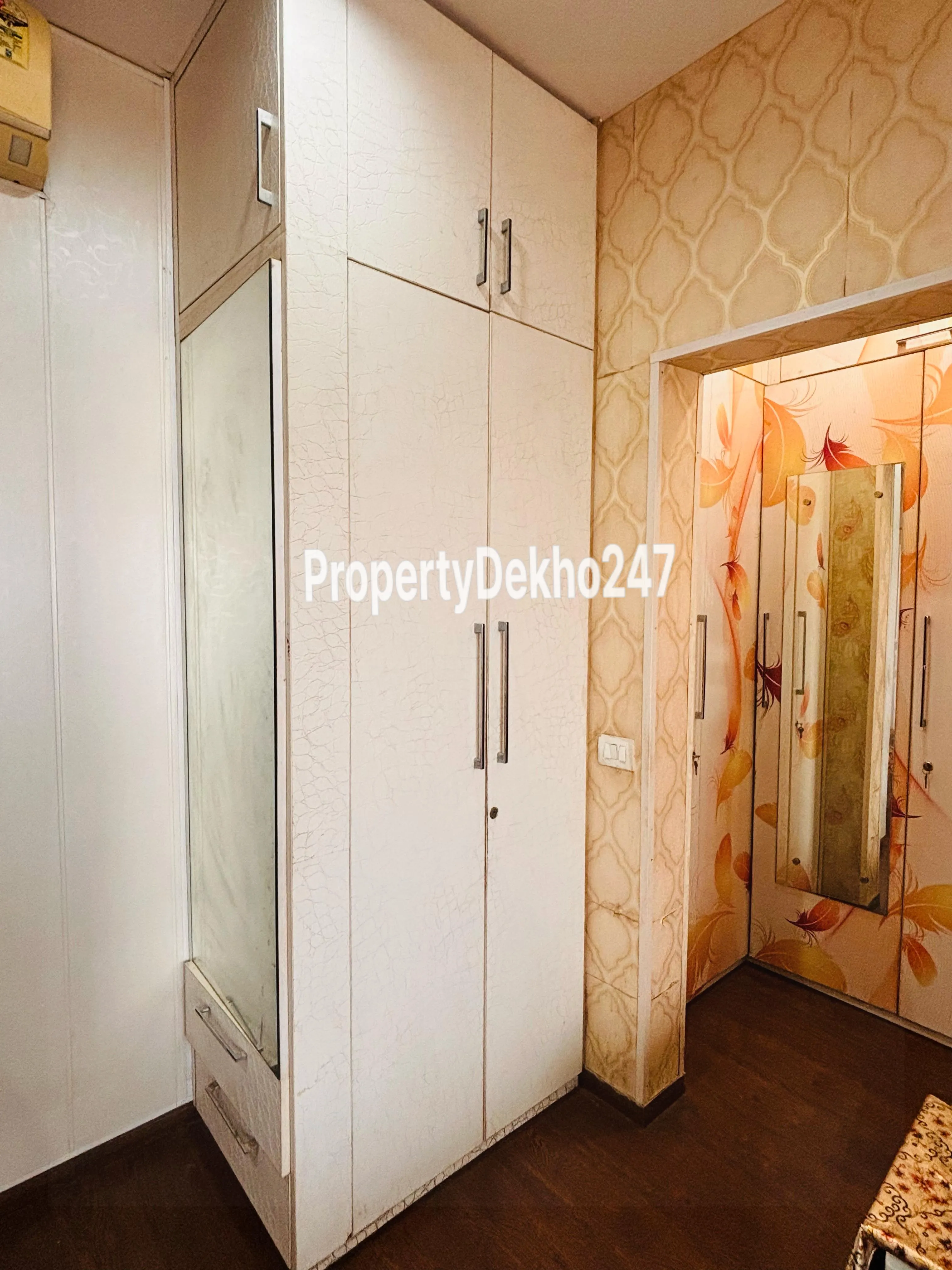
Owner Verified
Bestech Park View Ananda
Exact floor hidden for Owner Privacy.Status: Ready to move
Related Properties
Owner Verified
Mapsko Casa Bella
Exact floor hidden for Owner Privacy.Status: Ready to move
Owner Verified
Pareena Coban Residences
Exact floor hidden for Owner Privacy.Status: Ready to move
Owner Verified
Orris Carnation Residency
Exact floor hidden for Owner Privacy.Status: Ready to move
Owner Verified
Puri Emerald Bay
Exact floor hidden for Owner Privacy.Status: Ready to move
Owner Verified
Whiteland Blissville
Status: Ready to move
Owner Verified
M3M Urbana Business Park
Exact floor hidden for Owner Privacy.Status: Ready to Move
Owner Verified
Signature Global City 92
Status: Ready to move
Owner Verified
Diplomats Golf Link
Exact floor hidden for Owner Privacy.Status: Under Construction
Owner Verified
Vatika Lifestyle Homes
Exact floor hidden for Owner Privacy.Status: Ready to move
Owner Verified
M3M Golf Hills
Exact floor hidden for Owner Privacy.Status: Under Construction
Owner Verified
Godrej Air
Exact floor hidden for Owner Privacy.Status: Ready to move
Owner Verified
Bestech Park View Ananda
Exact floor hidden for Owner Privacy.Status: Ready to move