
How Economic Trends Affect the Real Estate Market
GDP Growth and Its Effect on Real Estate
Gross Domestic Product (GDP) is the economic indicator of a country, and in the realty market, it's nothing but a compass. When India's GDP grows, the ripple effect is evident — higher investor confidence, greater urbanization, and a greater number of transactions across residential as well as commercial segments. A robust economy gives birth to aspirations, and realty tends to be the preferred medium for that aspiration.
Effects of GDP Growth on Real Estate:
- Increased disposable incomes boost rates of homeownership.
- Commercial real estate experiences growth as business increases.
- Infrastructure development accelerates alongside economic aspirations.
- Investment in Tier-2 and Tier-3 cities surges as urban sprawl increases.
Loan Interest Rate and Property Demand
Interest rates are the economic support structure of property affordability. If the Reserve Bank of India (RBI) cuts repo rates, it is telling people that borrowing will be cheaper — an open invitation to homebuyers. The decline in home loan interest ratestypically induces a surge in registrations of property, particularly among salaried middle-class buyers.
On the other hand, high rates create a risk-averse consumer psyche. Builders can then react with price cuts, delayed payment programs, or lower unit launches to sustain demand.
How Loan Rates Affect Demand:
- Lower EMIs make home purchase affordable.
- High rates slow down buying plans, impacting sales turnover.
- Affordable housing remains the most interest rate-sensitive segment.
- Luxury and second-home markets are less rate-sensitive.
Inflation and Property Values
Inflation is the quiet mover that inflates building prices, land values, and eventually, selling prices. While moderate inflation is a sign of a rising economy, runaway inflation constricts liquidity, inflates raw material prices, and subjects both developers and buyers to stress.
Surprisingly, in periods of high inflation, real estate is actually considered a hedge — an asset class that holds or gains its value when cash does not.
Inflation's Impact on Real Estate:
Increases the cost of inputs for construction (cement, steel, labor).
Raises property prices in the medium run.
Repels launches of new projects because of margin squeezes.
Redirects investor attention to physical assets such as real estate.
FDI and Growth of Real Estate Market

Foreign Direct Investment (FDI) is a critical enabler of real estate modernization. Since the Indian government relaxed norms for FDI in construction, foreign capital has poured into commercial spaces, co-working hubs, logistics parks, and luxury residential projects.
These inflows bring not just capital, but also global standards, better transparency, and corporate governance into Indian real estate.
FDI’s Contribution to Growth:
Infuses liquidity into underfunded segments.
Elevates design, construction, and compliance benchmarks.
Invites in private equity and institutional investors.
Favors high-gestation projects such as townships and technology parks.
Employment and Earnings Levels
Real estate is tightly linked to job security and rising earnings. When jobs are plentiful and wages rise gradually, shoppers feel economically confident enough to invest in real estate. However, redundancies or pay stagnation (experienced amid COVID-19) trigger a slump in house buying. This synergy is most evident in urban India, where segments such as IT, BFSI, and manufacturing propel housing demand.
Earnings Impact at a Glance:
More jobs = increased home loan eligibility.
Rise in salary prompts upsizing or second-home investments.
Wage stagnation postpones real estate choices.
Rental markets become tight in cities with increasing employment opportunities.
Government Policies and Their Impact
Policy is the unseen hand driving the future of real estate. Be it RERA for transparency, GST reform for taxation simplification, or the PMAY driving affordable housing — government actions can create or kill momentum in the property sector. Real estate responds quickly to policy changes, particularly in land acquisition, interest subsidies, and taxation.
Policy Impact Highlights:
RERA improved confidence among buyers with regulation.
Interest subsidies in PMAY boosted affordable housing momentum.
Stamp duty reductions (state) provoked mini buying sprees.
Land reform legislation contains the potential to release enormous development areas.
Real Estate Investment Sentiment and the Share Market

The share market and property frequently find themselves in a push-pull situation. When equity markets rise to astronomical heights, investors realize windfalls — some of which are diverted into property. During bear phases, property becomes the "safe haven," valued for its solidity and capital growth. Sentiment also depends on media stories, economic forecasts, and cycles of investor behavior
Sentiment Drivers:
Positive equity markets can induce real estate binges.
Real estate investment trusts (REITs) connect stock and real estate markets.
Adverse headlines or policy uncertainty can frighten investors.
Media accounts of rising prices entice short-term speculators.
Segments of Real Estate and Economic Sensitivity
Not all segments of real estate react alike to economic trends. Every segment has its own cycle and sensitivity.
How Segments React:
Residential: Sensitive to interest rates, employment, and mood.
Commercial: Tracks business expansion; linked to GDP and FDI.
Retail: Linked to consumer sentiment and mall traffic.
Industrial/Logistics: Driven by manufacturing expansion and online shopping.
Luxury: Least affected by economic cycles; inspired by trends in wealth.
It is important to understand these subtleties for focused investment and development planning.
Future Expectations: How the Market Will Be Shaped by Economic Trends
India's demographic dividend, digital economy, and infrastructure drive place it for strong real estate expansion in the next decade. With cities sprawling out and global capital pouring in, demand will be driven away from just being a homeowner to lifestyle-focused, amenity-based ecosystems.
Economic uncertainty will continue, but a more evolved market — led by regulation and investor awareness — is taking shape.
Forecast Highlights:
Urban migration will continue to drive mid-income housing.
Tier-2 cities will witness increasing commercial demand.
Proptech adoption to power data-driven property decisions.
Inflation-managed environments will maintain pricing sane.
PropertyDekho247 Guide
Economic insight blended with real estate knowledge. At PropertyDekho247, we interpret data, cut noise, and provide buyers and investors with a live view of where the market is heading — and why. Whether you're searching residential listings or exploring commercial properties, our analytics-driven platform powers informed decision-making, always.
What We Offer:
Verified property listings with live pricing trends.
Expert blogs and buyer guides.
Help with home loans and documentation.

FAQs
Q1: Does India’s GDP really influence property prices?
Yes. A growing GDP boosts income, business expansion, and infrastructure — all of which raise real estate demand.
Q2: How do interest rates affect housing affordability?
Lower interest rates reduce EMIs, making homes more affordable, especially for salaried buyers.
Q3: Is real estate a good hedge against inflation?
Yes, especially during high inflation. Property retains value better than cash or certain financial instruments.
Q4: Which real estate segment is safest during economic uncertainty?
Mid-income residential housing and rental properties tend to perform more steadily than luxury or speculative investments.
Q5: What role does FDI play in Indian real estate?
FDI brings capital, innovation, and professionalism to the sector, especially in commercial and high-end residential segments.
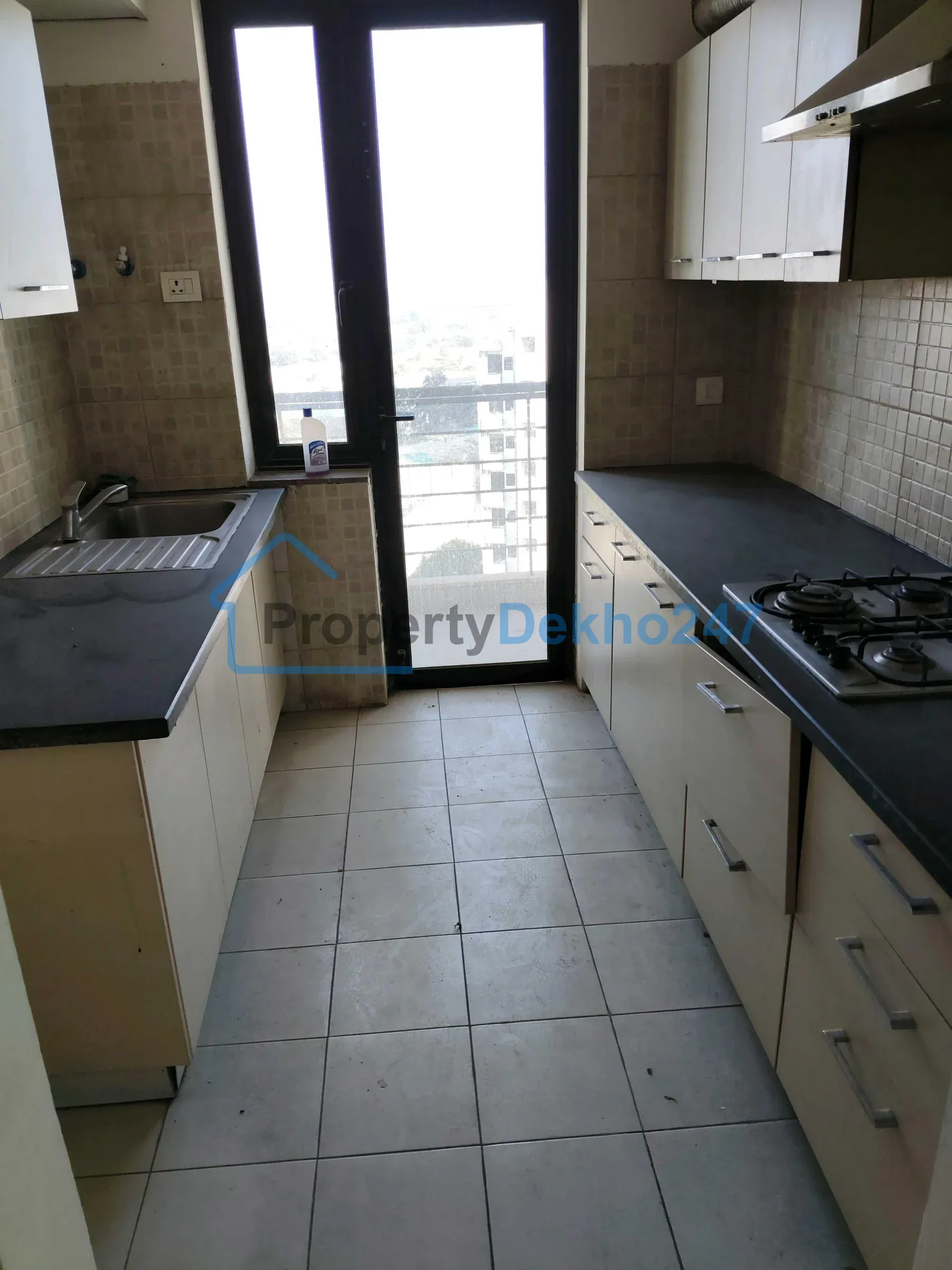

Owner Verified
Godrej Icon
 Exact floor hidden for Owner Privacy.
Status: Ready to move
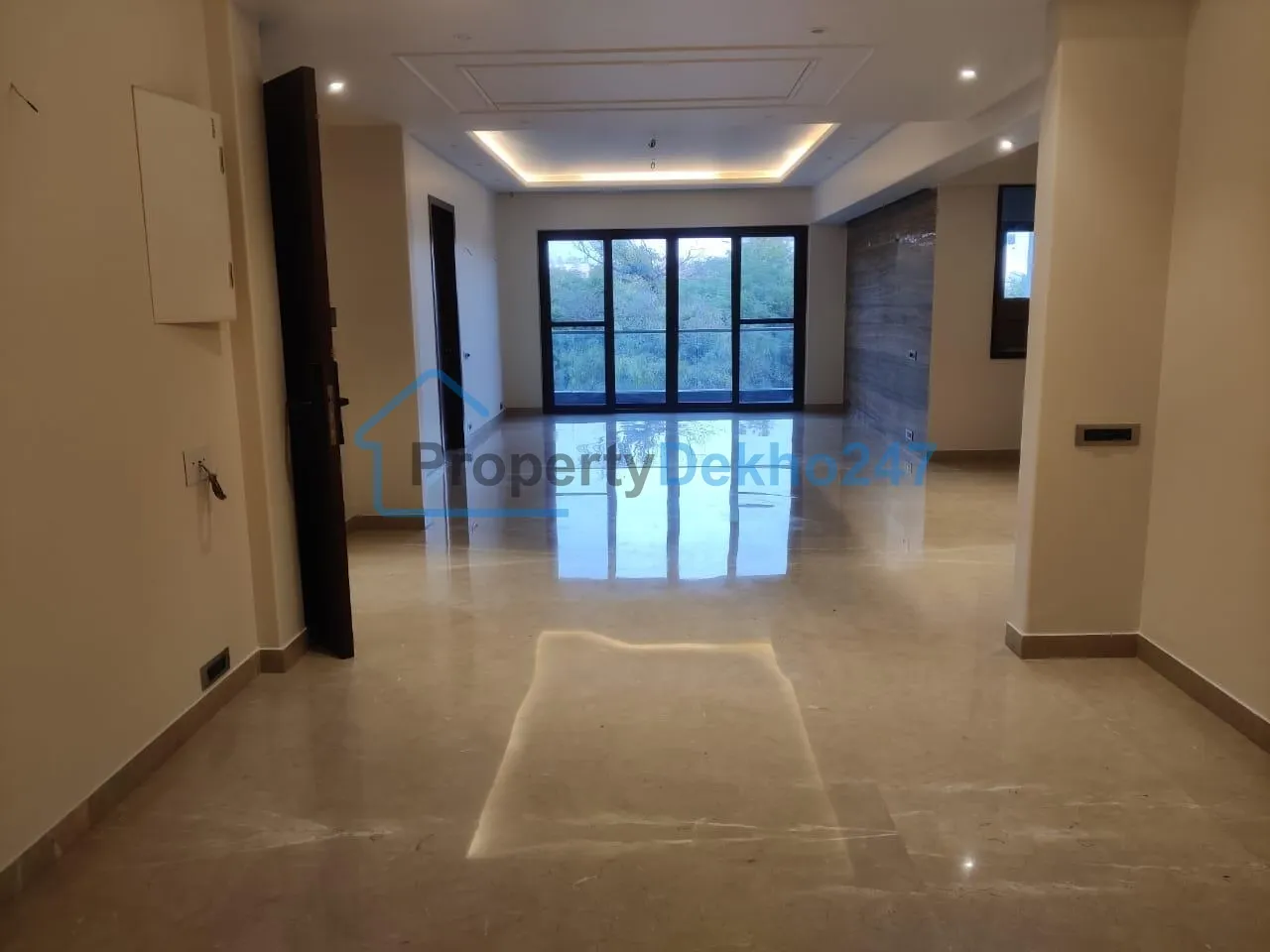
Owner Verified
DLF Phase 4
Status: Ready to move

Owner Verified
Bestech Park View Ananda
Exact floor hidden for Owner Privacy.Status: Ready to move
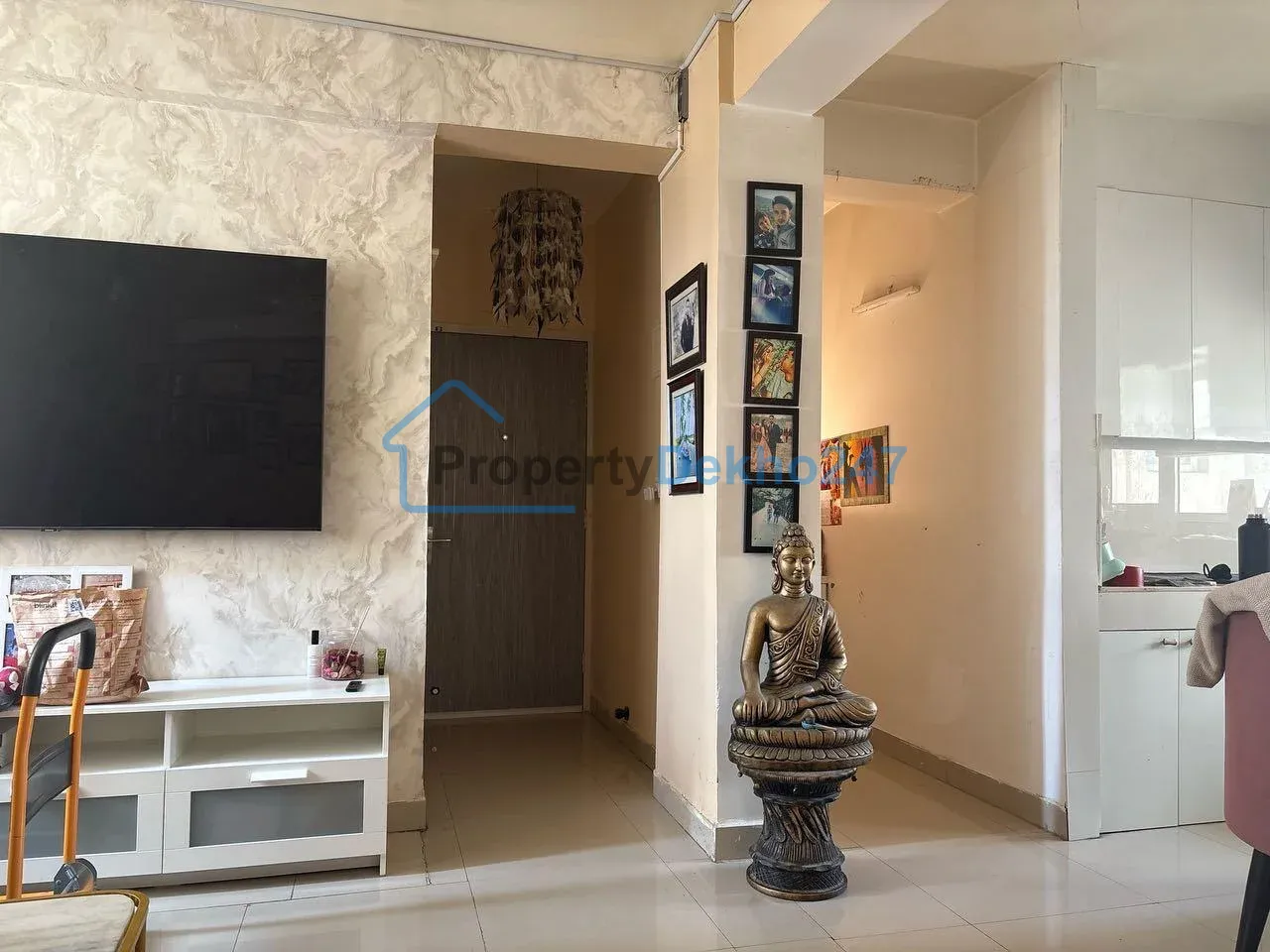
Owner Verified
HCBS Sports Ville
Exact floor hidden for Owner Privacy.Status: Ready to move
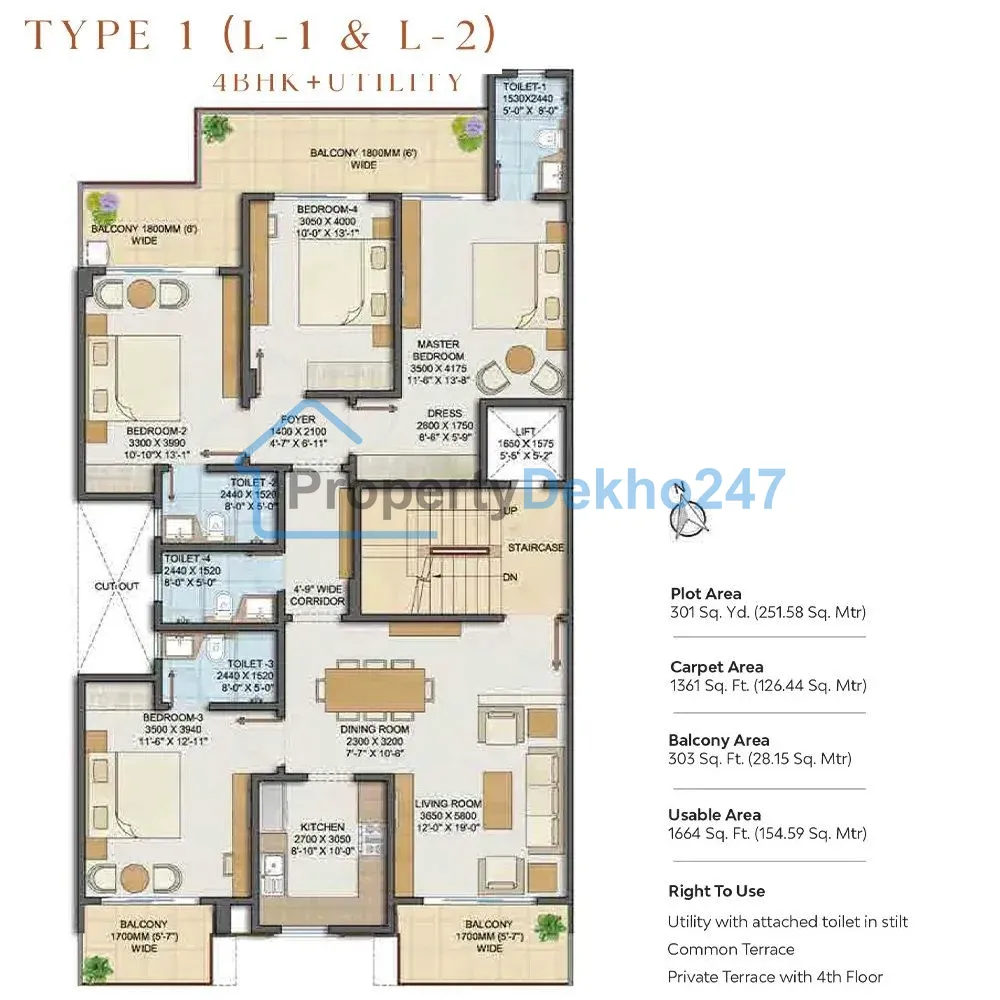
Owner Verified
Adani Samsara Avasa
Status: Ready to move
Owner Verified
Emaar Palm Gardens
Exact floor hidden for Owner Privacy.Status: Ready to move

Owner Verified
Emaar MGF Emerald Plaza

Owner Verified
Umang Winter Hills
Exact floor hidden for Owner Privacy.Status: Ready to move

Owner Verified
ILD Greens
Exact floor hidden for Owner Privacy.Status: Ready to move
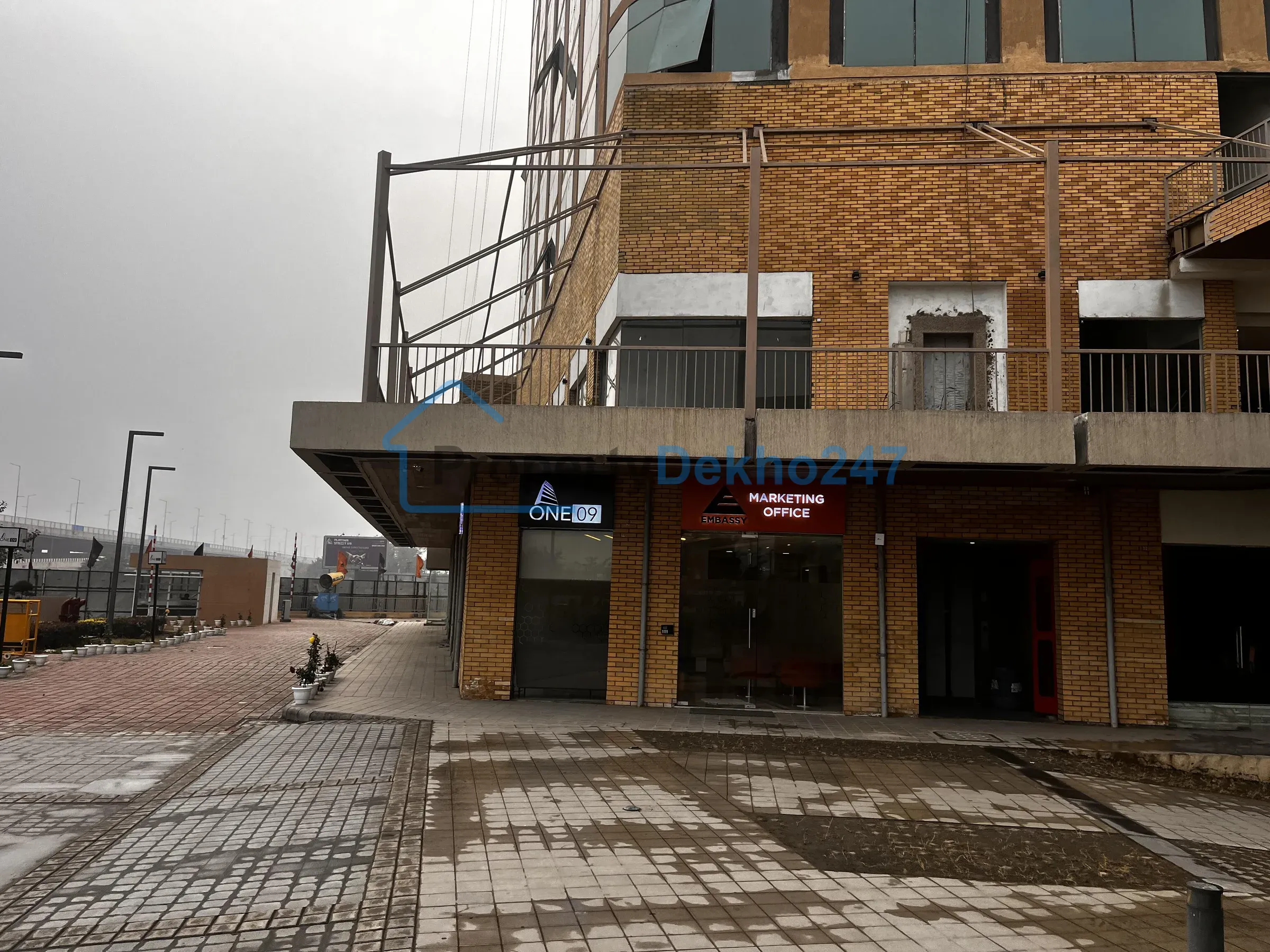
Owner Verified
Palam Vihar Vyapar Kendra

Owner Verified
Experion Windchants
Exact floor hidden for Owner Privacy.Status: Ready to move

Owner Verified
Signature Global Synera
Exact floor hidden for Owner Privacy.Status: Ready to move
Related Properties
Owner Verified
Godrej Icon
Exact floor hidden for Owner Privacy.Status: Ready to move
Owner Verified
DLF Phase 4
Status: Ready to move
Owner Verified
Bestech Park View Ananda
Exact floor hidden for Owner Privacy.Status: Ready to move
Owner Verified
HCBS Sports Ville
Exact floor hidden for Owner Privacy.Status: Ready to move
Owner Verified
Adani Samsara Avasa
Status: Ready to move
Owner Verified
Emaar Palm Gardens
Exact floor hidden for Owner Privacy.Status: Ready to move
Owner Verified
Emaar MGF Emerald Plaza
Owner Verified
Umang Winter Hills
Exact floor hidden for Owner Privacy.Status: Ready to move
Owner Verified
ILD Greens
Exact floor hidden for Owner Privacy.Status: Ready to move
Owner Verified
Palam Vihar Vyapar Kendra
Owner Verified
Experion Windchants
Exact floor hidden for Owner Privacy.Status: Ready to move
Owner Verified
Signature Global Synera
Exact floor hidden for Owner Privacy.Status: Ready to move