
Gurgaon vs Delhi: Best City for Property Investment
When people think about buying property in North India, especially around NCR (National Capital Region), the two most popular choices that immediately come to mind are Delhi and Gurgaon. These two cities are neighbors, connected by roads, metro, jobs, and daily movement of lakhs of people. But when it comes to property investment, the question comes again and again:
Which city is better for buying property – Gurgaon or Delhi?
This is not just a random question. It is a life decision for many:
• New buyers planning to own a home for the first time
• Families planning to move
• Investors who want to earn rent
• Business people looking for growth
• Young professionals looking for a better lifestyle
In this blog, we will understand both cities in the simplest way possible. Even a school student or someone with zero real estate knowledge will understand everything easily. We will go step by step, comparing both cities on liveability, cost, income, growth, lifestyle, and future prospects.
Understanding Both Cities
To compare two things, we must first understand them individually.
Delhi: The Capital, The Heritage, The Rooted City
Delhi is old, rich in history, full of culture, food joints, monuments, educational institutes, government offices, and busy markets. Many families in Delhi have lived here for generations. People have emotional connections with neighborhoods, schools, and communities.
But Delhi is also crowded. Many areas are congested. Space is limited. Traffic and pollution are big issues. And in many places, old style planning still exists.
Delhi feels stable, rooted, traditional, and emotionally homelike.
Gurgaon: The Modern, Corporate, Fast Growing City
Gurgaon, or Gurugram, is new, shiny, and fast. From farmland to a corporate and lifestyle hub, its growth has been extraordinary. Gurgaon today represents:
• High rise towers
• Corporate offices
• MNC headquarters
• Large malls
• Modern societies
• A young working population
People who want modern lifestyle, professional opportunities, and future growth naturally move here.
Gurgaon feels ambitious, youthful, modern, and full of growth.
Why Do People Buy Property?
To decide between two cities, we must understand why people buy property. The reasons can be:
To live with family and settle.
To invest and sell later at a profit.
To earn monthly rent.
To buy near the workplace.
To shift to a better lifestyle environment.
Different people have different priorities. And different priorities lead to different choices.So we will compare both cities from these angles.
1. City Planning and Infrastructure
This is the foundation of any city.
Delhi is an organic city. It grew over thousands of years. Some areas like South Delhi, Dwarka, Saket, Rohini are well planned, but many old colonies are narrow and congested. Roads vary in size, parking is often a challenge, and expansion is limited because space is already consumed.
Gurgaon is designed like a modern corporate city. Wide roads, skyscraper apartments, large gated societies, corporate hubs like Cyber City, Golf Course Road, Golf Course Extension, and business parks give Gurgaon a very global feel. Planning is newer and more spacious.
Who wins?
Gurgaon, because modern planning makes living more convenient and premium.
2. Property Options and Pricing
Different people have different budgets. Let’s see what each city offers.
Delhi Property Market
In Delhi, prices in good and central areas are very high. Properties in places like:
• Green Park
• Hauz Khas
• Defence Colony
• Vasant Vihar
• Saket
• Greater Kailash
The property rates are extremely expensive. Also, much construction is old style, not modern apartments with amenities. New project launches are limited because land is scarce.
Gurgaon Property Market
Gurgaon offers property for:
• Affordable buyers
• Middle income families
• High income families
• Ultra luxury buyers
Areas like:
• New Gurgaon (Sector 76–95) have affordable & mid range housing
• Dwarka Expressway has high growth residential projects
• Golf Course Extension Road has premium luxury societies
• Sohna Road has both budget and mid range options
Plus, Gurgaon gives modern amenities like clubhouses, swimming pools, gyms, play zones, and security systems.
Who wins?
Gurgaon, because it offers something for every budget.
3. Job and Career Opportunities
This is one of the biggest deciding factors in property demand.
Delhi Jobs
Delhi has:
• Government jobs
• Administrative offices
• Education institutes
• Business markets
• Healthcare & media
These jobs give stability, but growth speed is slower.
Gurgaon Jobs
Gurgaon is known as India's Corporate Headquarters Hub.
Companies like:
Google, Microsoft, Deloitte, EY, KPMG, American Express, Uber, Zomato, Swiggy, Accenture, IBM, Wipro, Infosys, Oracle, Airbnb, SAP, Gartner, Ola, MakeMyTrip, and hundreds more are based here.
This attracts:
• Young professionals
• High salaries
• Fast career growth
Job demand directly increases housing demand.
Who wins?
Gurgaon, by a very big margin.
More jobs = More renters = Better investment value.
4. Lifestyle and Social Environment
Lifestyle is not just buildings. It is how life feels.
Life in Delhi
Delhi has:
• Historic monuments
• Famous old marketplaces like Chandni Chowk and Connaught Place.
• Street food culture
• Schools and universities with strong reputations
• Family neighborhoods where everyone knows each other
Delhi is ideal for families that value tradition, familiarity, and community bonding
Life in Gurgaon
Gurgaon has:
• Multi specialty gyms
• Designer cafes
• Nightlife pubs and lounges
• Luxury malls like Ambience, MGF, Cyber Hub
• Modern gated townships
Most people in Gurgaon are from different cities because of jobs. So, the lifestyle is open, young, and opportunity-focused.
Who wins?
It depends on personality.
If you want:
• Cultural comfort → Delhi
• Modern luxury → Gurgaon
5. Connectivity and Transport
This affects your daily routine and travel time.
Delhi Connectivity
Delhi has:
• Best Metro network in India
• Wide highways
• Airport within city
• Easy bus and train services
The metro connects almost every corner.
Gurgaon Connectivity
Gurgaon is improving quickly:
• Metro and Rapid Metro available
• Direct highway links to Delhi
• New-Dwarka Expressway changing future connectivity
• Delhi Mumbai Expressway will boost growth further
A few outer areas need improvement, but overall connectivity is strong and rising.
Who wins?
Currently: Delhi
Future: Gurgaon will catch up fast.
6. Rental Income Potential
For investors, rental income is a major factor.
Delhi Rent
Demand is stable, but prices don’t grow too fast.
In many places, houses are old and not preferred by young tenants.
Gurgaon Rent
Gurgaon has:
• Corporate employees
• Migrating professionals
• Expats working in MNCs
This means:
• Higher rent
• Quick tenant availability
• Higher yearly rent growth
Areas like Cyber City, Golf Course Road, GCR Extension, and Dwarka Expressway are rental hotspots.
Who wins?
Gurgaon. Higher rental yield and faster occupation.
7. Future Development and Appreciation
Growth is where investment returns happen.
Delhi Future Growth
Delhi is mature and mostly developed.
Growth is slow because new development space is limited.
Gurgaon Future Growth
Gurgaon is still expanding. Major upcoming developments:
• New metro corridors
• Delhi Mumbai Expressway node
• Dwarka Expressway international connectivity
• Global corporate investment
• Smart city zones in New Gurgaon
This means property prices will continue rising.
Who wins?
Gurgaon has much stronger growth potential.
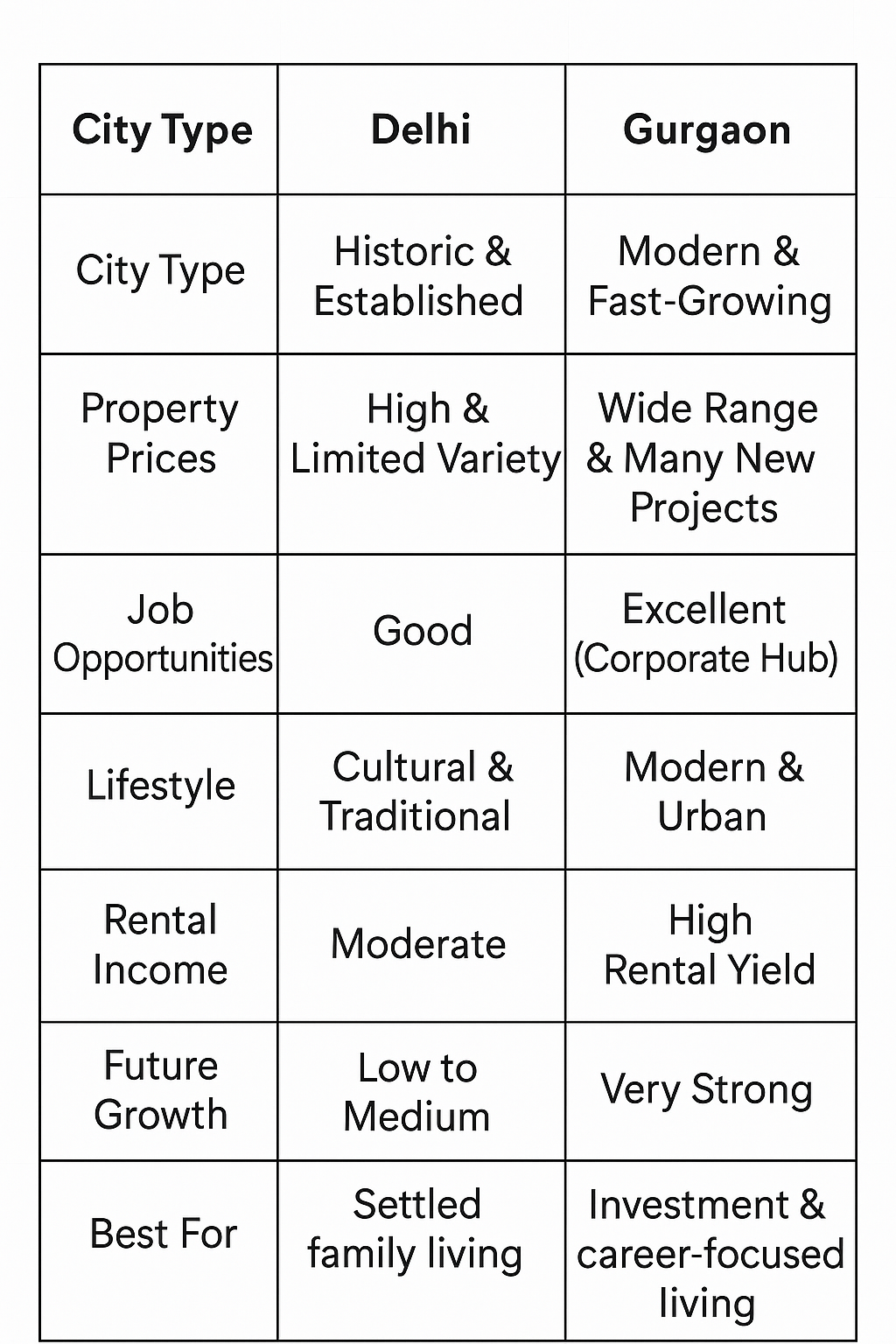
Final Summary Table
Conclusion
When we compare both cities only from an investment perspective, Gurgaon clearly offers better potential than Delhi. The city is growing fast with new corporate offices, expressways, metro routes, and modern residential projects, which keeps demand for housing high. This demand results in better rental income and stronger future price appreciation. On the other hand, Delhi is already well developed, and because land and new projects are limited, property values grow more slowly and rental returns stay moderate. So, if your goal is to earn good returns and grow your investment in the coming years, Gurgaon is the more profitable and future focused choice for property investment.
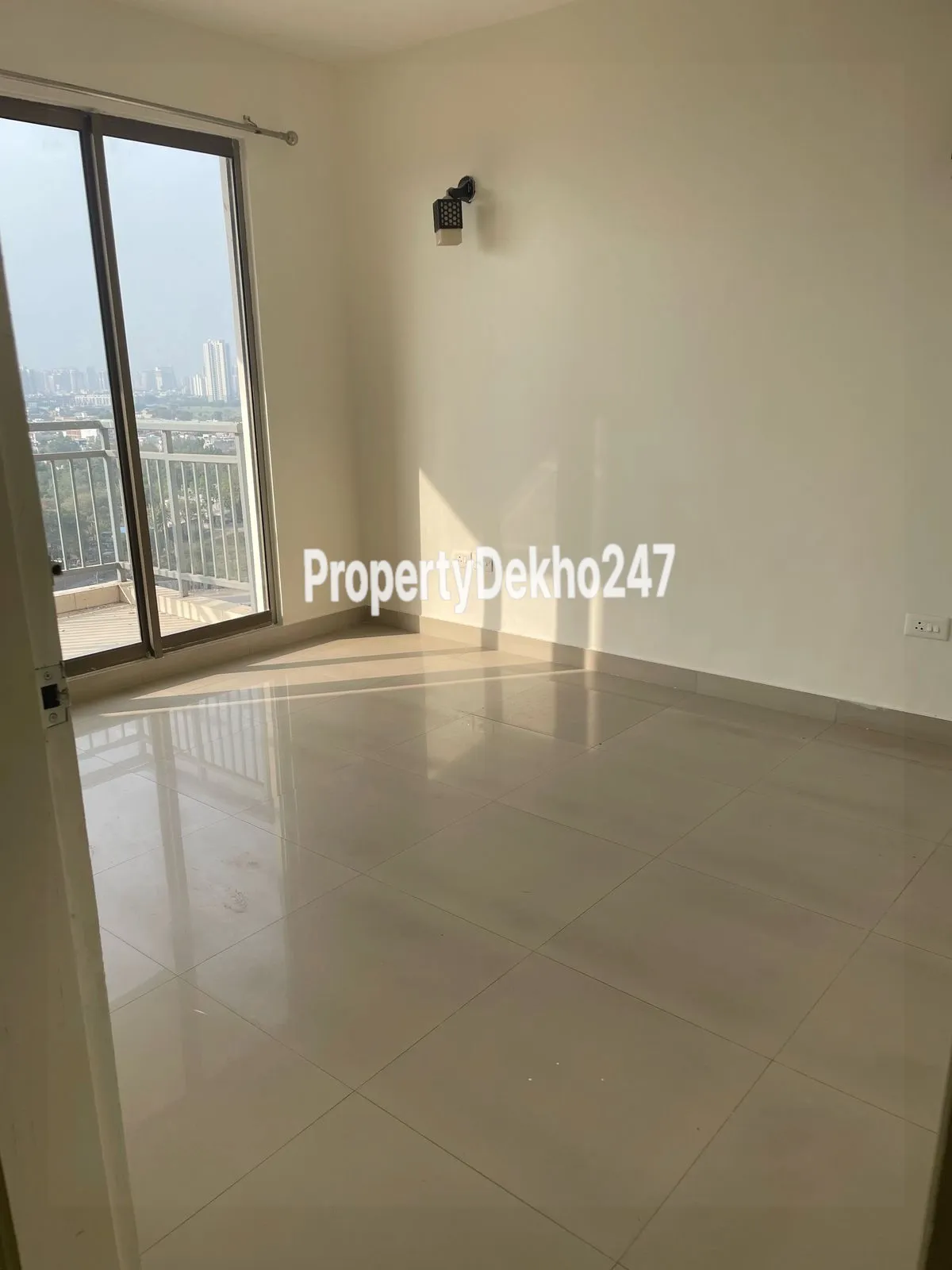

Owner Verified
Godrej Frontier
 Exact floor hidden for Owner Privacy.
Status: Ready to move
DLF Gardencity Floors 91/92
Status: Ready to move
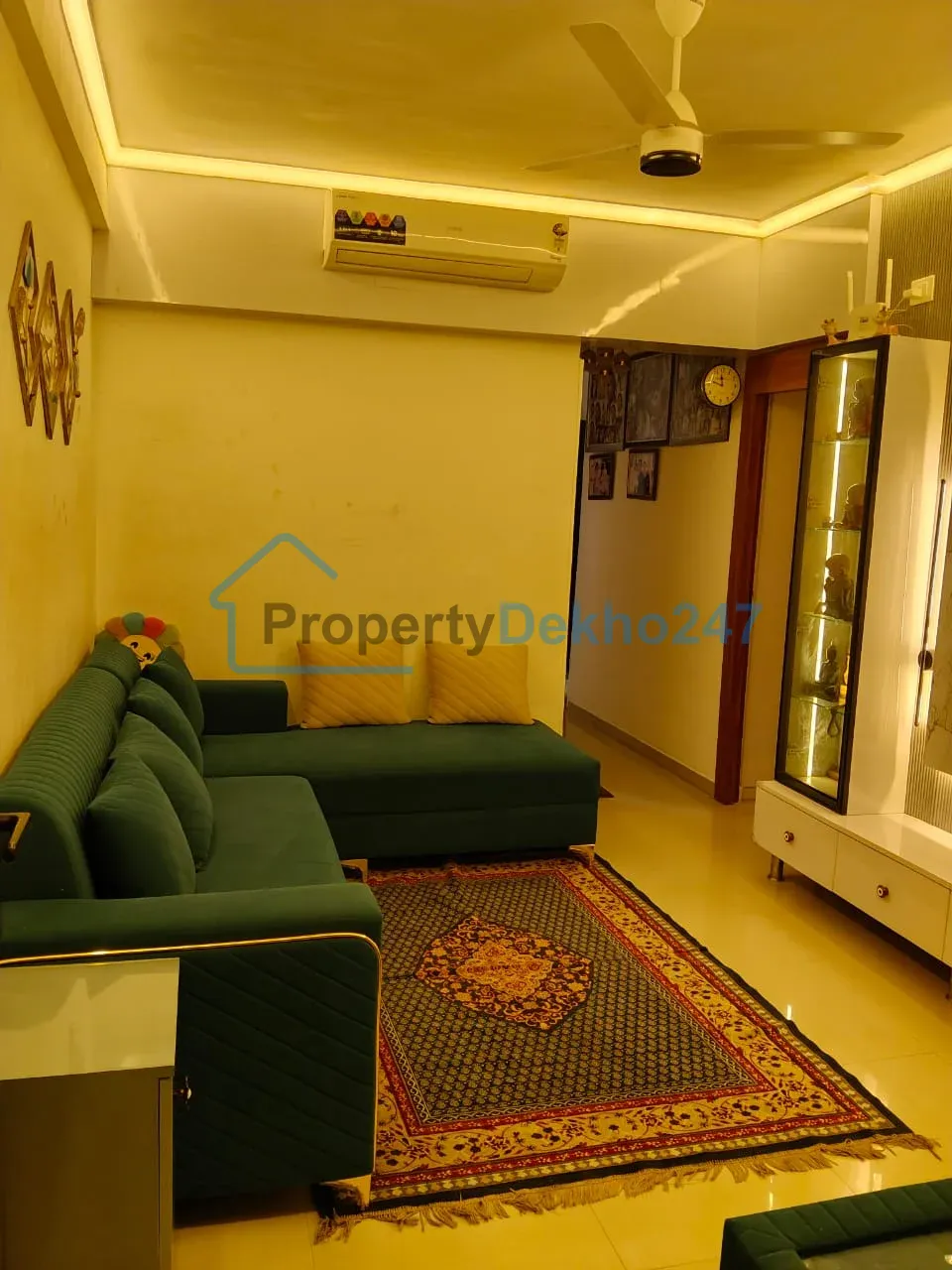
Owner Verified
Pyramid Pride
Exact floor hidden for Owner Privacy.Status: Ready to move
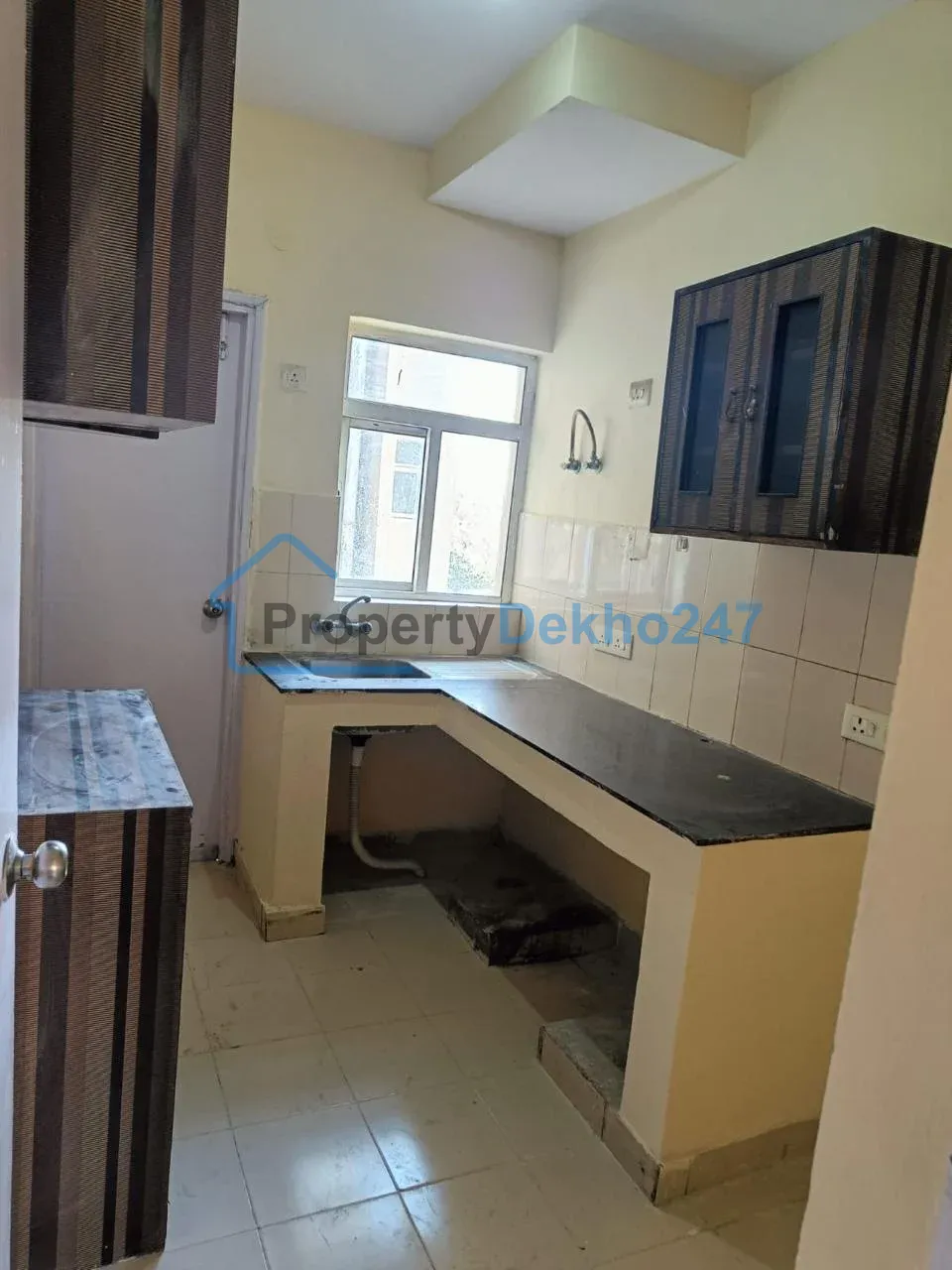
Owner Verified
Sare Homes
Exact floor hidden for Owner Privacy.Status: Ready to move

Owner Verified
Vatika Lifestyle Homes
Exact floor hidden for Owner Privacy.Status: Ready to move
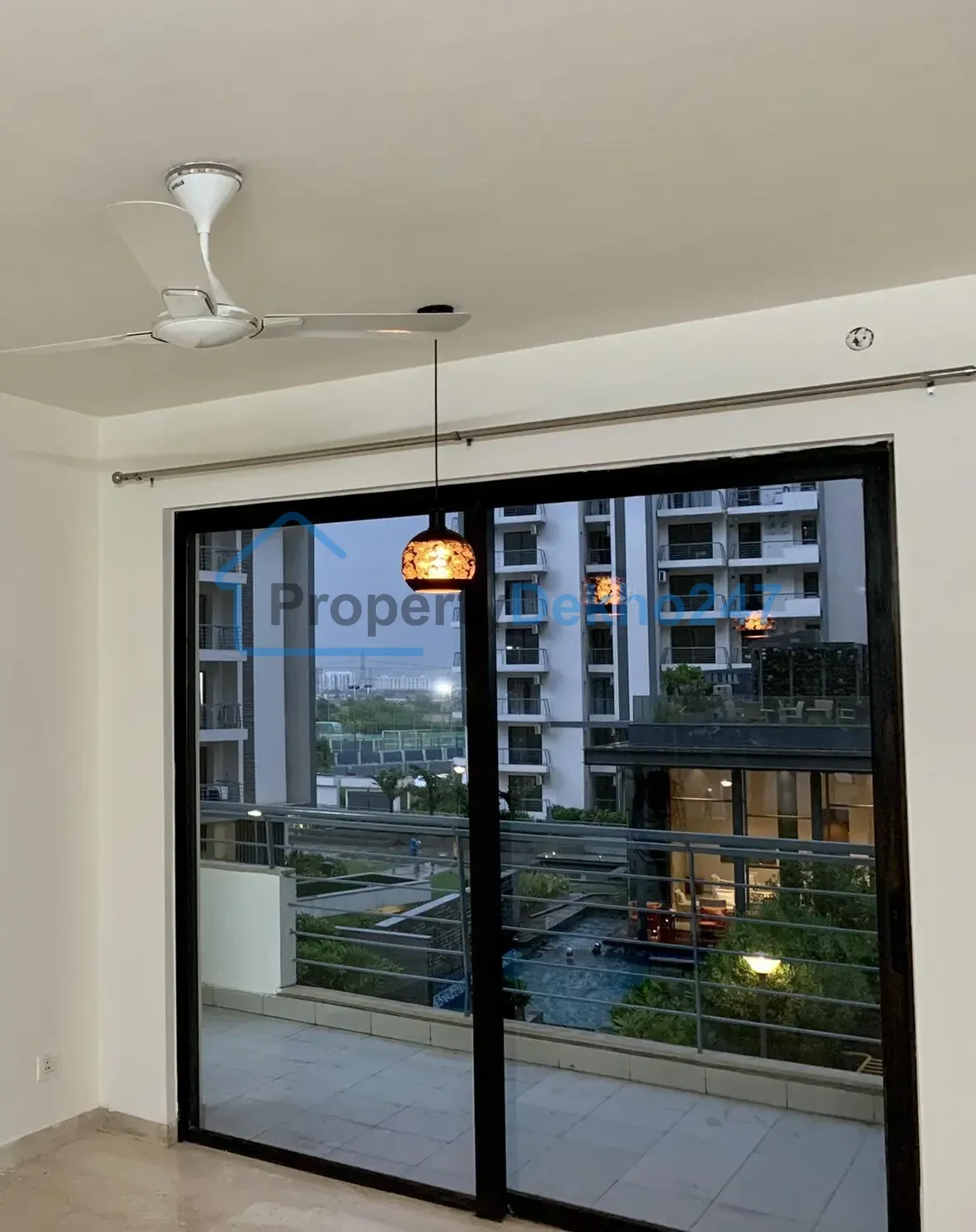
Owner Verified
Godrej Oasis
Exact floor hidden for Owner Privacy.Status: Ready to move
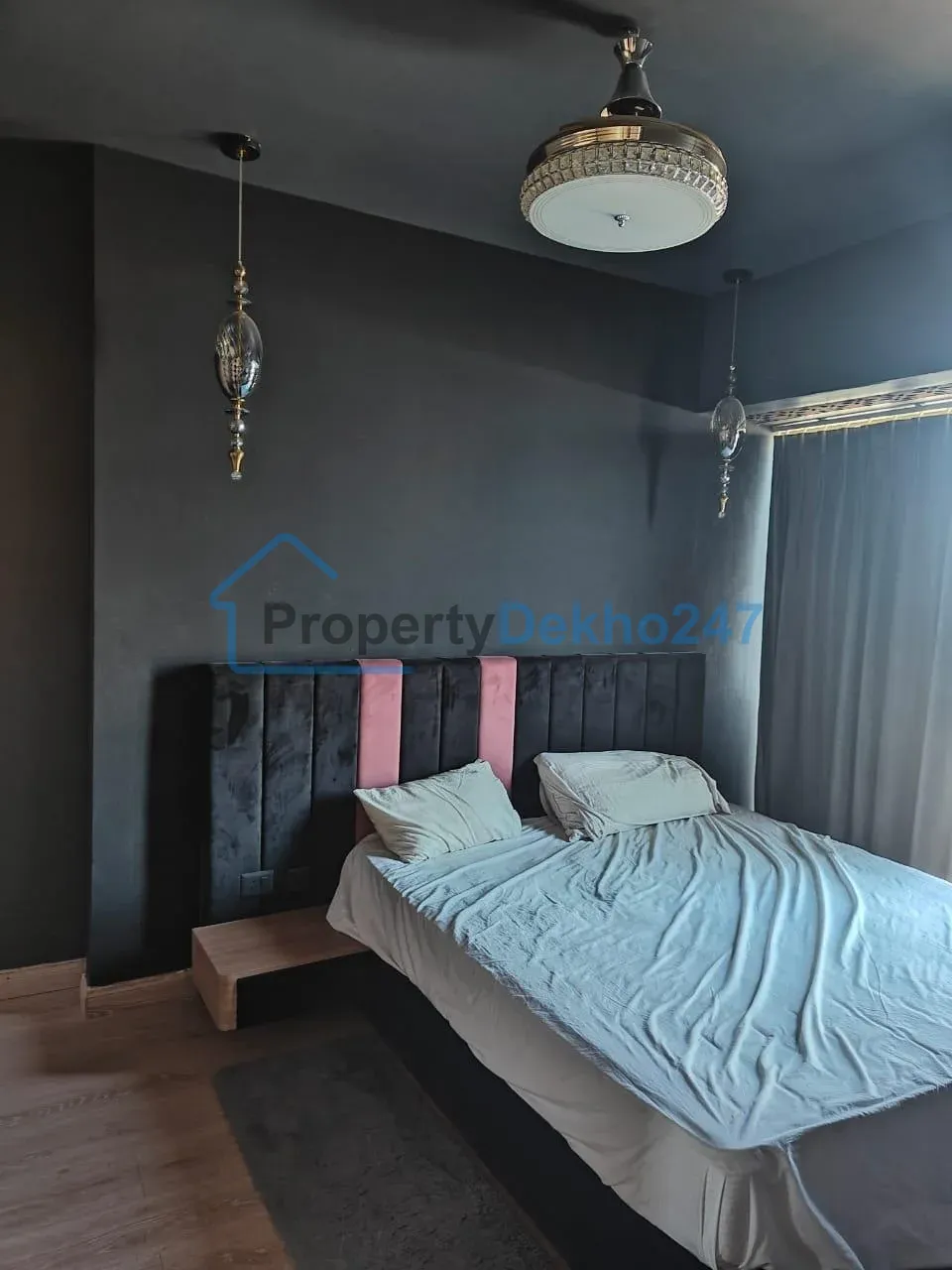
Owner Verified
Paras Square
Exact floor hidden for Owner Privacy.Status: Ready to move
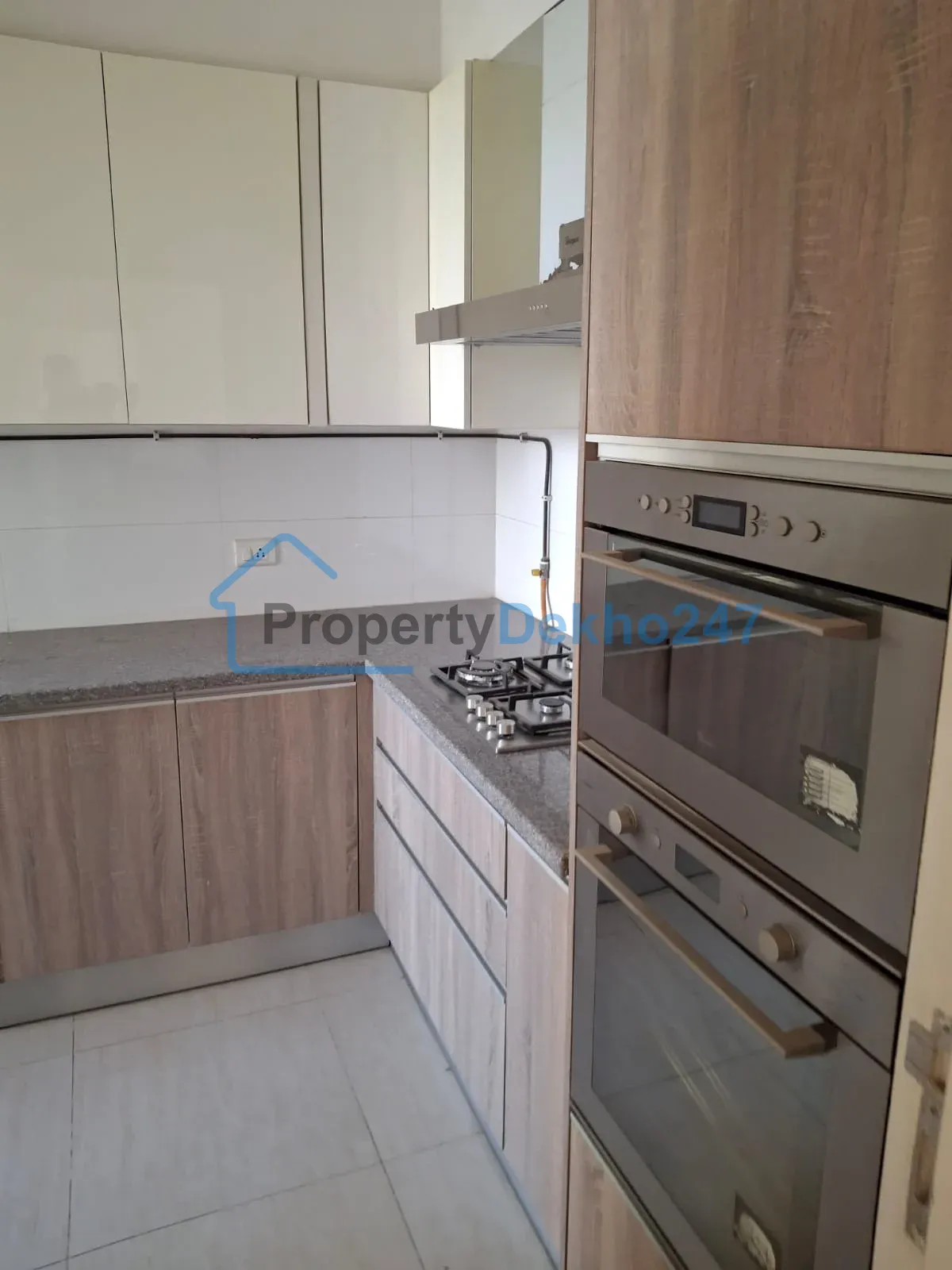
Owner Verified
DLF The Primus
Exact floor hidden for Owner Privacy.Status: Ready to move
Umang Monsoon Breeze
Exact floor hidden for Owner Privacy.Status: Ready to move
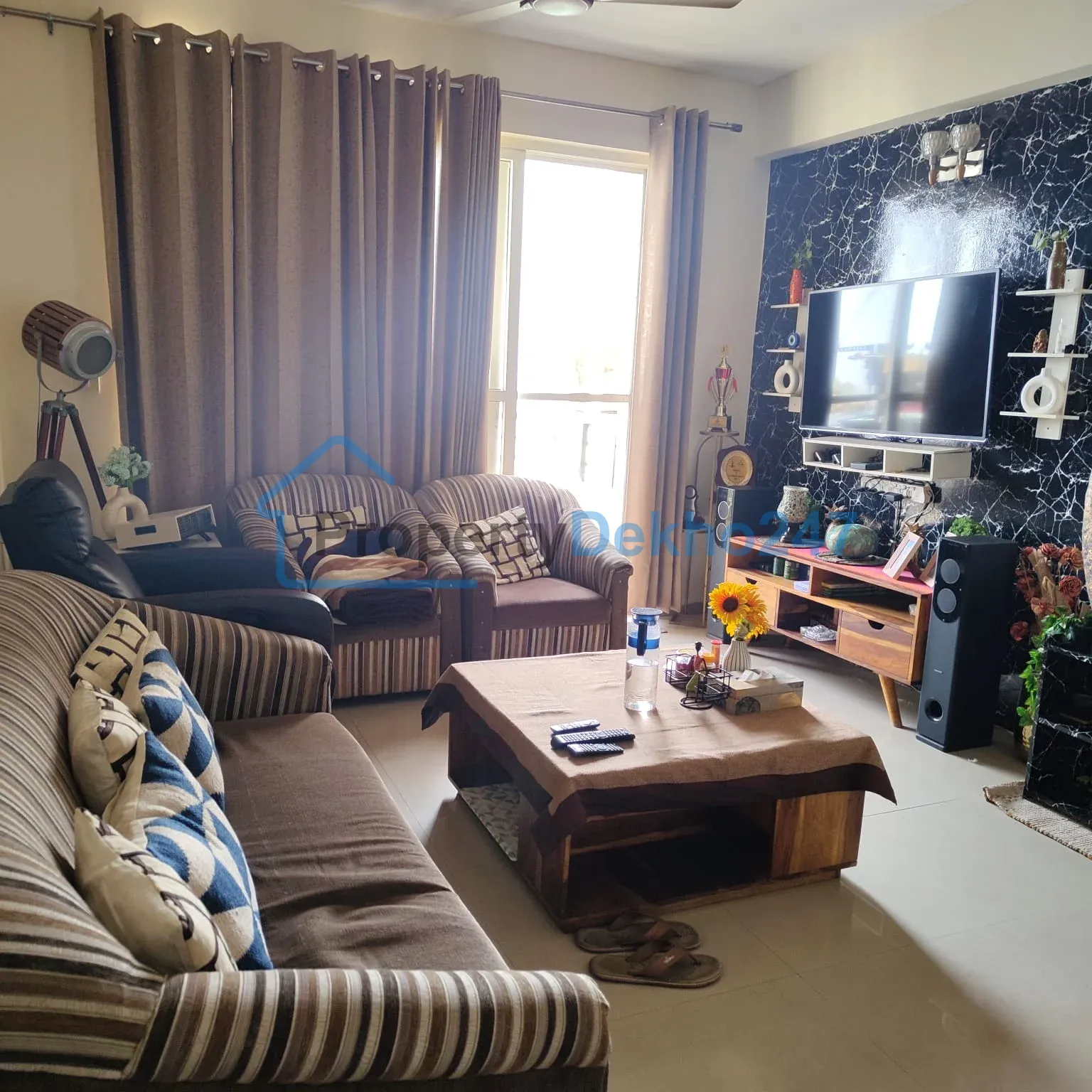
Owner Verified
Umang Monsoon Breeze
Exact floor hidden for Owner Privacy.Status: Ready to move

Owner Verified
Orris Aster Court
Exact floor hidden for Owner Privacy.Status: Ready to move
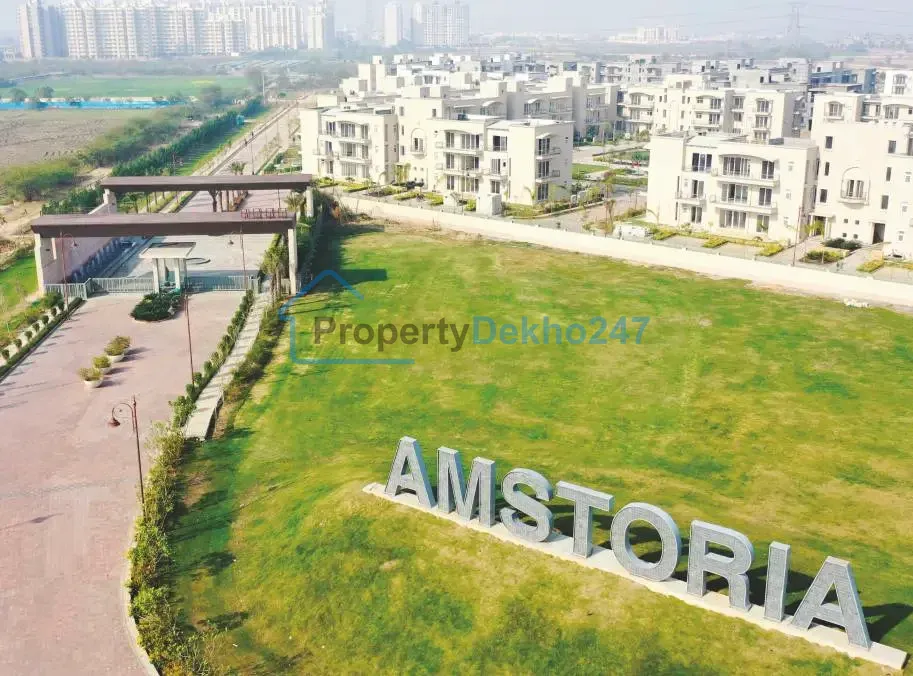
Owner Verified
BPTP Amstoria
Related Properties
Owner Verified
Godrej Frontier
Exact floor hidden for Owner Privacy.Status: Ready to move
DLF Gardencity Floors 91/92
Status: Ready to move
Owner Verified
Pyramid Pride
Exact floor hidden for Owner Privacy.Status: Ready to move
Owner Verified
Sare Homes
Exact floor hidden for Owner Privacy.Status: Ready to move
Owner Verified
Vatika Lifestyle Homes
Exact floor hidden for Owner Privacy.Status: Ready to move
Owner Verified
Godrej Oasis
Exact floor hidden for Owner Privacy.Status: Ready to move
Owner Verified
Paras Square
Exact floor hidden for Owner Privacy.Status: Ready to move
Owner Verified
DLF The Primus
Exact floor hidden for Owner Privacy.Status: Ready to move
Umang Monsoon Breeze
Exact floor hidden for Owner Privacy.Status: Ready to move
Owner Verified
Umang Monsoon Breeze
Exact floor hidden for Owner Privacy.Status: Ready to move
Owner Verified
Orris Aster Court
Exact floor hidden for Owner Privacy.Status: Ready to move
Owner Verified