

Home Loan for an Under Construction Property | A Complete Guide for Homebuyers
Exploring Resale Properties in Gurgaon
If you are looking at resale properties in Gurgaon, you are stepping into a busy and exciting real estate market. Gurgaon is growing very quickly, and many new sectors are offering a huge variety of homes from simple apartments to large BHK flats.
You can find ready to move apartments with parking or semi furnished homes in well known places such as DLF Town Heights or Signature Global projects. Prices in Gurgaon can be very different depending on the sector. The built up area, total cost, and price per square foot also change from one location to another. This means you can easily choose a property that fits both your budget and your lifestyle.
Many buyers like resale homes because they can move in right away and do not need to wait for construction to finish.
Introduction: Why Home Loans for Under-Construction Properties Matter
When buying a BHK flat or apartment in Gurgaon, you often choose between a ready to move property and a project that is still under construction.
If you decide on an under construction property for example, a new project by Signature Global or DLF you must know how a home loan for such a property works.
Unlike a normal loan for a ready flat, the bank does not release the full loan amount at once. Instead, the money is given in stages, matching how much of the construction is finished. This special system changes how you pay each month and how interest is calculated.
The good news is that this loan type lets you buy a home even before it is fully built, so you can secure a property in a good location early. But you must also check the builder’s reputation and understand the loan plan carefully.
Eligibility: Who Can Get This Type of Loan
Banks and housing finance companies look at several things to decide if you qualify:
Age: Usually you should be between 21 and 65 years old by the time the loan ends.
Job type: Both salaried people and self-employed professionals can apply, but the income rules are slightly different.
Salaried applicants often need a minimum monthly income of about ₹10,000.
Self-employed people may need at least ₹2 lakh annual income.
Stable work history: Banks usually want you to have at least 1–2 years in your current job or business.
For NRIs (Non-Resident Indians): You may need six months or more of overseas work experience and proof of a steady income.
These requirements help lenders make sure that you can repay the loan on time.
Documents You Need to Provide
Applying for a home loan for an under-construction property requires several papers:
Application form and a signed loan agreement
Identity proof: PAN card, passport, Aadhaar card, or voter ID
Address proof can include a utility bill, driving licence, or rental agreement.
Income proof:Salaried people provide salary slips and Form 16
Self-employed :People give ITR returns or financial statements
Property papers: Agreement to sell, the builder’s title deed, and government approvals like the commencement certificate
For NRI applicants: additional documents such as proof of overseas residence and a Power of Attorney if they are not in India when applying.
It is also very important to make sure that the builder has all legal clearances before you apply for the loan.
How the Bank Releases the Money (Disbursement Process) For an under-construction property, the bank releases the loan amount in phases instead of giving it all at once. Money is given after each construction milestone for example, after the foundation, the structure, the roof, and so on. Before each payment, the bank checks the progress through an inspection or a certificate. This system ensures that the money is used only for the building work. During this time, you may start by paying only a “pre-EMI”. This means you pay interest only on the amount that has been disbursed so far. As the bank releases more funds, your monthly payment slowly increases until the full loan is active. Types of Interest Rates When you take a home loan, you can usually choose between: Fixed Rate: The interest rate stays stable over a specified period. Your monthly payment (EMI) will not change. Floating Rate: The rate goes up or down with market changes. Often starts lower but can increase later. Mixed Rate: A combination where part of your loan is at a fixed rate and part is floating. Many buyers prefer a floating rate for under-construction properties because it often starts lower, but a fixed rate offers stability if you like to know exactly what you will pay. Risks When Buying an Under-Construction Property Buying a home that is still being built is exciting, but you need to be careful: Delays in possession: Construction might take longer than planned. You may have to pay rent and loan EMIs at the same time. Project not completed: In rare cases, builders may have financial or legal problems that stop construction. Market changes: Property prices might not rise as expected and can even drop for a while, especially in areas with too many unsold homes. Because of these risks, always check the builder’s credibility, project approvals, and the strength of the location before buying. Legal Checks to Keep Your Money Safe Legal protection is very important: Make sure the project is registered with RERA (Real Estate Regulatory Authority). RERA registration gives you the right to updates and helps ensure timely completion. Check the builder’s title deed to confirm that they truly own the land. Review all municipal and environmental approvals, such as the commencement and occupancy certificates. Read the sale agreement carefully and look for details about the possession date, penalties for delay, payment schedule, and cancellation policy. Research the builder’s past projects and read buyer feedback to see if they usually finish on time.Consulting a legal expert familiar with Gurgaon’s property laws is a smart extra step.
Conclusion: Be an Informed Buyer
Home loans for under-construction properties can help you own a home in Gurgaon with flexible payments and good interest rates. But success comes from careful planning:
Check that you meet the eligibility criteria.
Understand how the staged disbursement works.
Verify all legal documents and the builder’s background.
With these steps, you can safely finance and move into your dream home in Gurgaon’s fast-growing real estate market.
Frequently Asked Questions (FAQ)
1. What is an under-construction property home loan?
It is a loan where the bank gives money in parts, matching each stage of the building process.
2. When do I start paying EMIs?
You begin with a pre-EMI (interest only on the amount released). Full EMIs start once the entire loan is disbursed.
3. What documents are required?
Identity proof, address proof, income proof, and property papers such as the sale agreement and builder approvals.
4. Can NRIs apply for this loan?
Yes. NRIs need steady overseas income and extra papers like proof of residence abroad and a Power of Attorney.
5. How do I avoid risk when buying an under-construction property?
Choose a RERA-registered project, check the builder’s track record, and read the sale agreement carefully.


Owner Verified
M3M Mansion
 Exact floor hidden for Owner Privacy.
Status: Under Construction
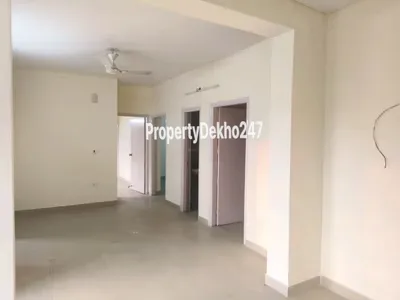
Owner Verified
Orris Carnation Residency
Exact floor hidden for Owner Privacy.Status: Ready to move
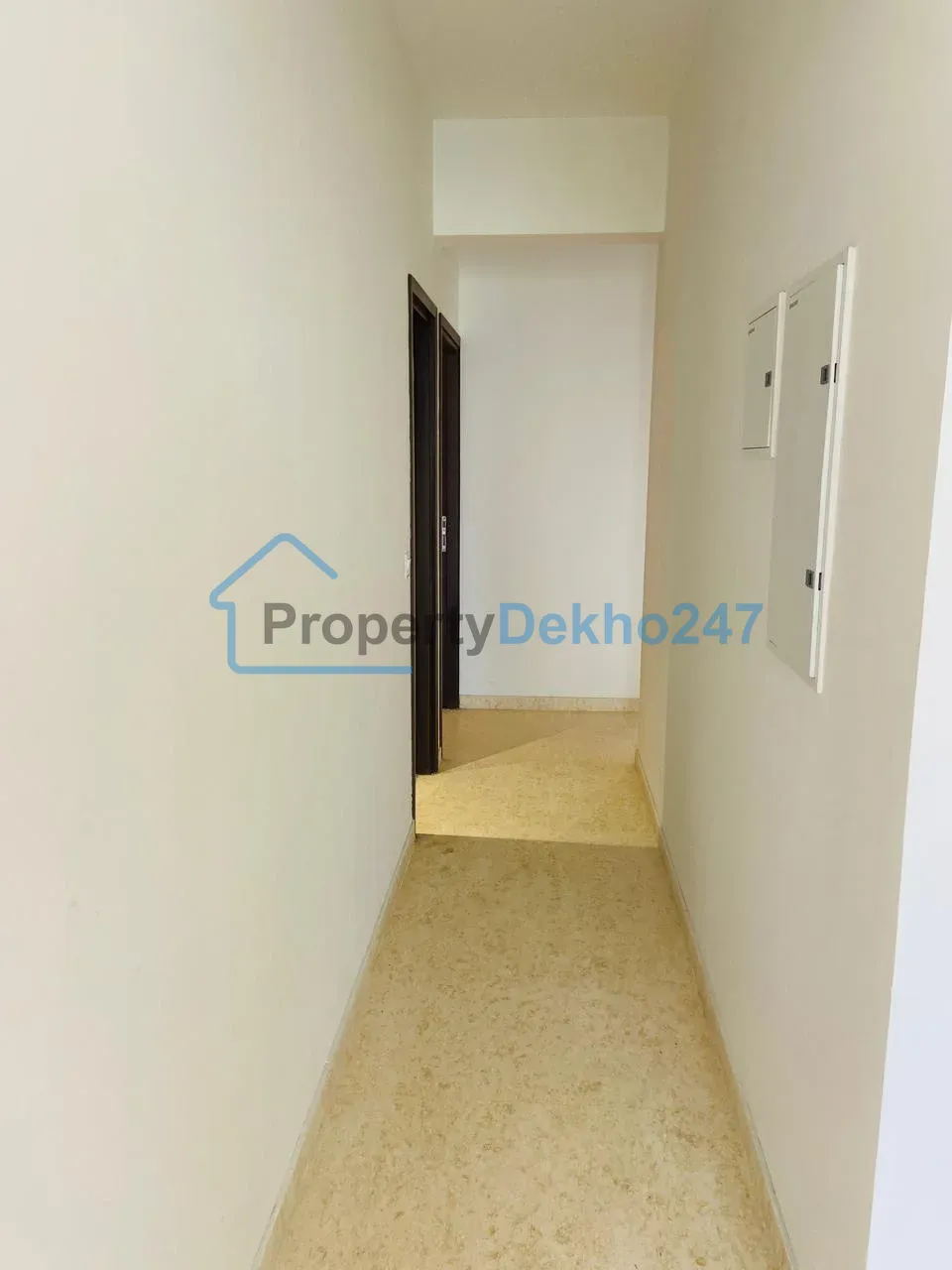
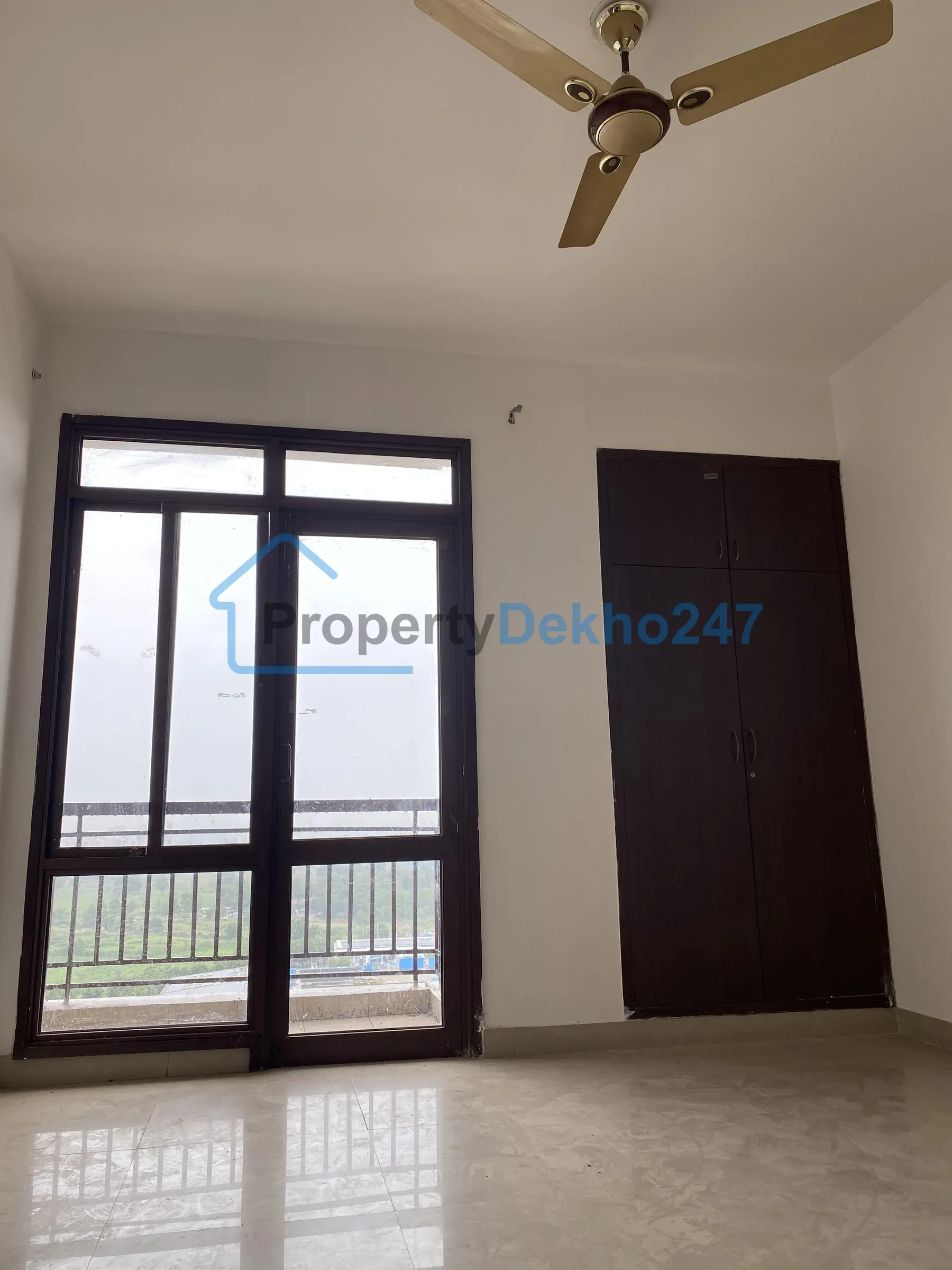
Owner Verified
DLF Gardencity Enclave
Status: Ready to move
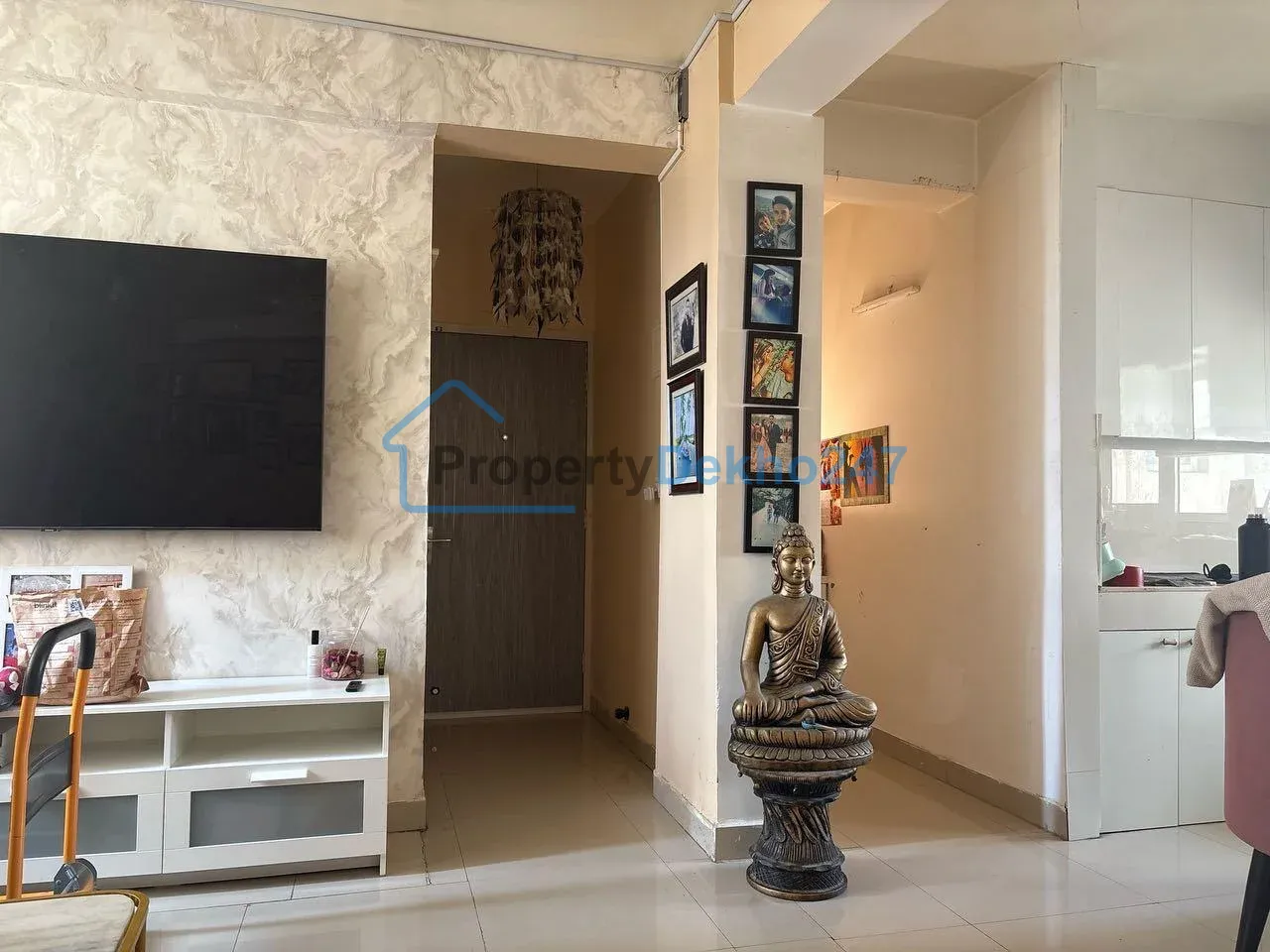
Owner Verified
Vipul Lavanya
Exact floor hidden for Owner Privacy.Status: Ready to move
Owner Verified
HCBS Sports Ville
Exact floor hidden for Owner Privacy.Status: Ready to move
Owner Verified
Emaar Palm Heights
Exact floor hidden for Owner Privacy.Status: Ready to move
Owner Verified
Sushant Lok Phase 2
Status: Ready to move
Owner Verified
M3M Atrium 57
Owner Verified
M3M Atrium 57
Shree Vardhman Flora
Exact floor hidden for Owner Privacy.Status: Ready to move
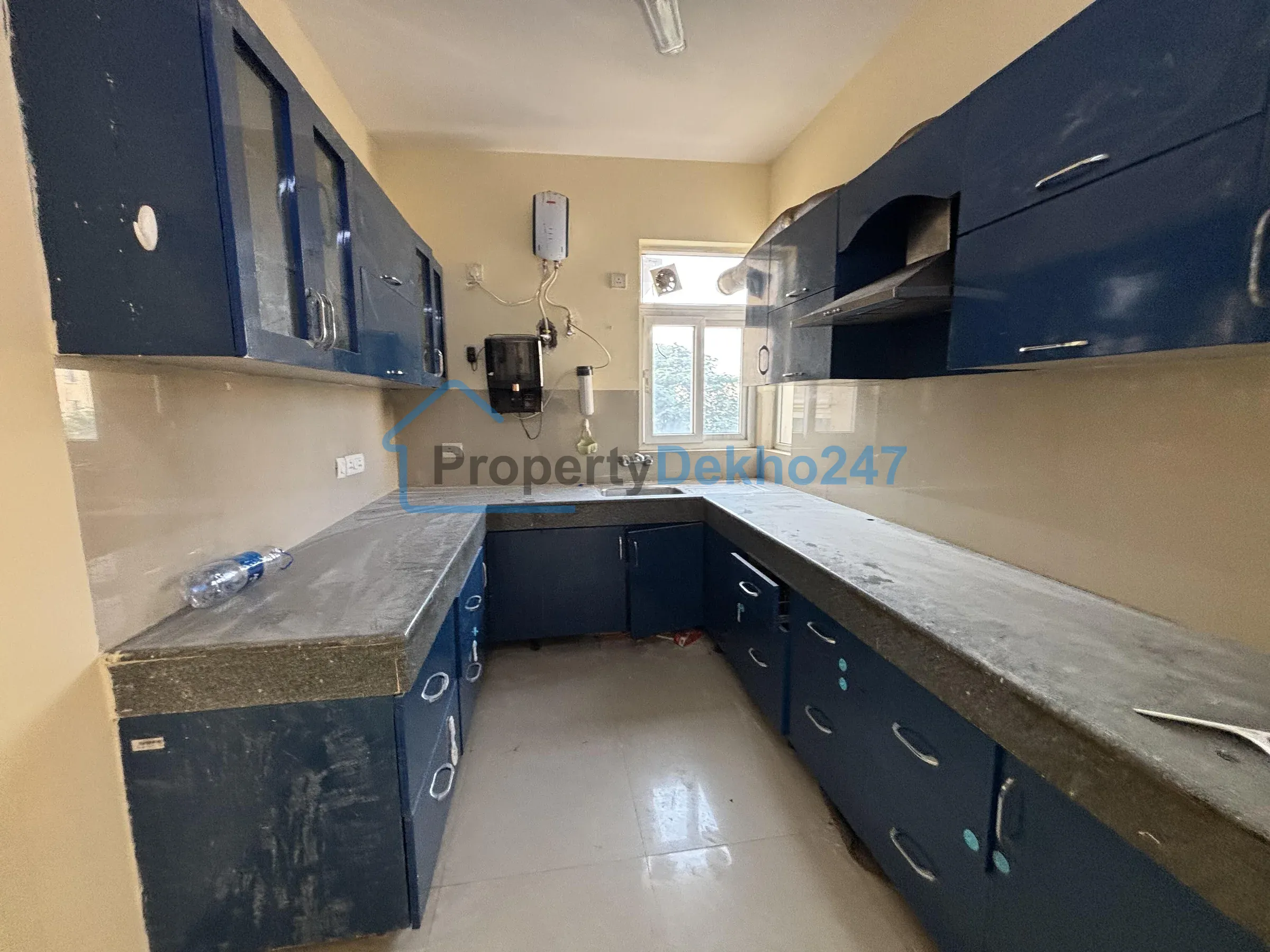
Owner Verified
Emaar MGF Emerald Floors
Status: Ready to move
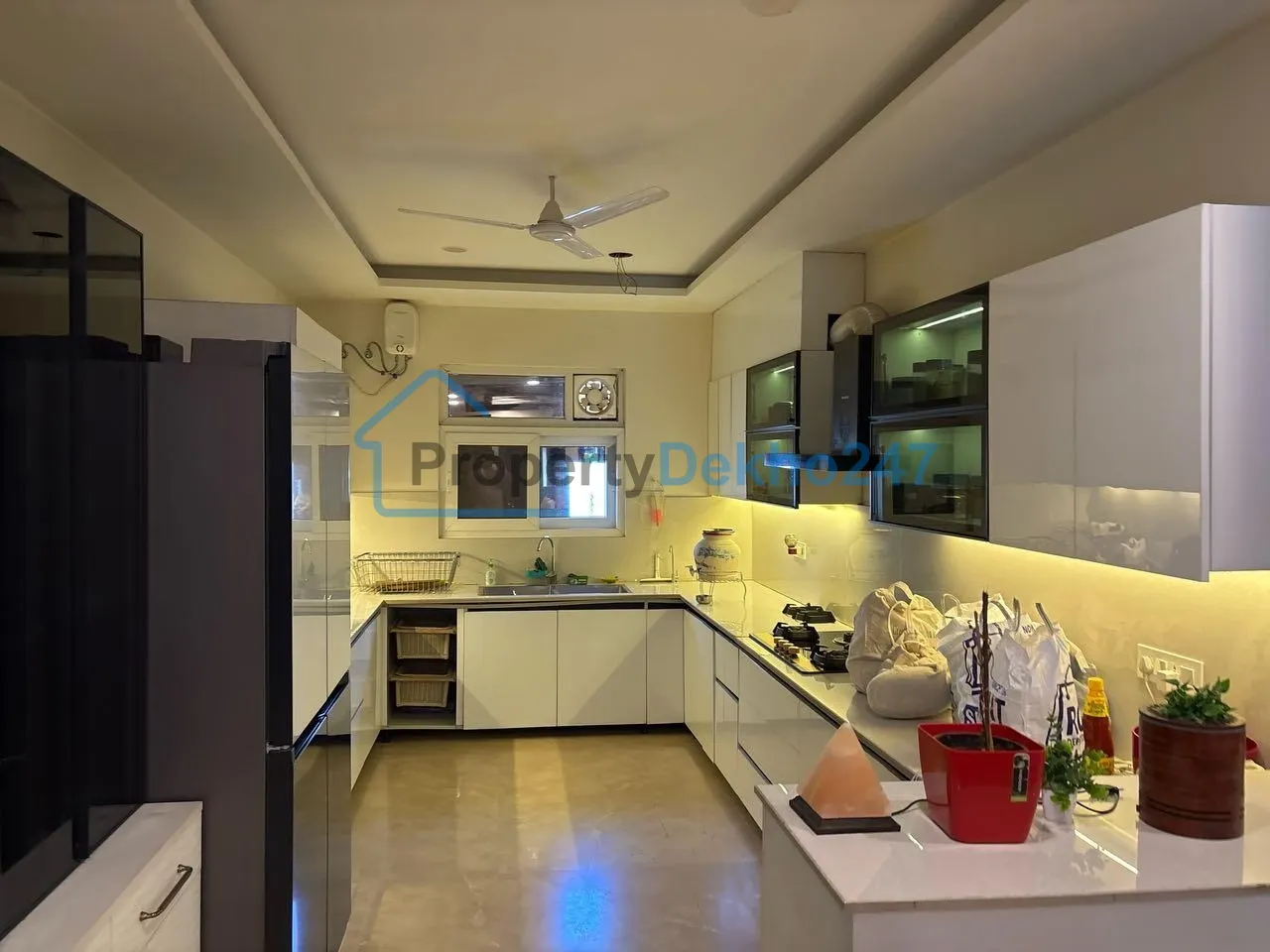
Owner Verified
Koyal Vihar
Status: Ready to move
Related Properties
Owner Verified
M3M Mansion
Exact floor hidden for Owner Privacy.Status: Under Construction
Owner Verified
Orris Carnation Residency
Exact floor hidden for Owner Privacy.Status: Ready to move
Owner Verified
DLF Gardencity Enclave
Status: Ready to move
Owner Verified
Vipul Lavanya
Exact floor hidden for Owner Privacy.Status: Ready to move
Owner Verified
HCBS Sports Ville
Exact floor hidden for Owner Privacy.Status: Ready to move
Owner Verified
Emaar Palm Heights
Exact floor hidden for Owner Privacy.Status: Ready to move
Owner Verified
Sushant Lok Phase 2
Status: Ready to move
Owner Verified
M3M Atrium 57
Owner Verified
M3M Atrium 57
Shree Vardhman Flora
Exact floor hidden for Owner Privacy.Status: Ready to move
Owner Verified
Emaar MGF Emerald Floors
Status: Ready to move
Owner Verified
Koyal Vihar
Status: Ready to move