
How GST 2.0 Will Impact Property Prices in Gurgaon
IntroductionThe Gurgaon real estate is about to undergo a major change, and GST 2.0 is at the centre of the change.As the sweeping reforms of the Indian government on Goods and Services Tax (GST) become a reality on September 22, 2025, market observers want to know: How will these changes impact the property prices in Gurgaon?This elaborate discussion examines the impacts that the GST 2.0 reforms would have on the construction costs, developer margins, affordability of buyers and eventually the real estate value curve of one of the fastest growing cities of the National Capital Region (NCR).
What Is GST 2.0? Before diving into Gurgaon specific dynamics, it helps to understand what GST 2.0 includes:Simplified rate structure: The new GST framework primarily uses two main slabs — 5% and 18%, replacing several earlier tax bands.
Reform on construction inputs: Key building materials such as cement are now taxed at 18%, down from their previous 28% rate.
No changes (for now) on some real estate GST rates: According to Housing.com, the GST rates on under construction residential properties remain at 5%, and 1% for affordable housing.
A clearer, more transparent tax structure: Experts expect GST 2.0 to improve pricing clarity, boost compliance, and enhance cash flows for developers.
These reforms are designed to reduce tax complexity, lower input costs, and foster a healthier, more transparent real estate sector.How GST 2.0 Could Affect Construction Costs in Gurgaon1. Reduction in Key Input CostsOne of the most immediate impacts of GST 2.0 is on the cost of construction:Cement, a core construction material, sees a GST cut from 28% to 18%, which is expected to lower developers’ raw material costs significantly.
According to analysts, this could translate to a 3–5% reduction in overall construction costs.
Over time, these savings may be passed on to homebuyers, especially in the affordable and mid segment housing markets.
2. Potential Return of Input Tax Credit (ITC) Under the current pre–GST 2.0 regime, developers in residential real estate often cannot claim ITC on many construction inputs, which hurts margins.
If GST 2.0 reintroduces or reforms the ITC mechanism, developers could again offset some of their tax burdens, improving cash flow and potentially lowering property prices.
Even if ITC return is partial, this could make new projects more financially viable, particularly in Gurgaon where land and regulatory costs are high.
Specific Implications for Gurgaon’s Real Estate MarketGurgaon’s real estate market is uniquely influenced by its geography, demand profile, and connectivity. Here’s how GST 2.0 could play out locally:A. Improved Affordability for BuyersLower construction costs could lead to modest reductions in property pricing. Experts suggest that savings might equate to a 1–1.5% drop in end user prices if passed on.
For middle income buyers in Gurgaon especially those eyeing under construction projects this might make buying more accessible.
B. Boost to Developer Margins and New Project LaunchesDevelopers in Gurgaon may benefit from reduced input costs and possibly regain ITC, which strengthens profitability.With better margins, developers might be more willing to launch new housing projects or increase supply in NCR, including in sectors like affordable housing.
C. Increased Market TransparencyGST 2.0’s simplified slab structure could lead to clearer invoicing and more transparent pricing, helping buyers in Gurgaon understand exactly what they are paying for.
This could boost buyer confidence and demand, especially among first time homebuyers wary of hidden charges.
D. Maintenance and Society Costs: A Potential Grey Area
While GST 2.0 reforms benefit construction, residential maintenance bills in Gurgaon remain taxed at 18%, which local RWAs (Resident Welfare Associations) have contested.
This means that while one time property purchase costs may soften, recurring costs for society maintenance may still
impact on homeowners unless further reforms arrive.
Risks & Challenges: What Could Limit the Downward Pressure on Prices
While GST 2.0 brings potential benefits, several factors could limit its impact:
Delayed Pass through: Developers may not immediately pass on cost savings to buyers, especially if they’re locked into older material supply contracts.
Land and Circle Rate Inflation: In Gurgaon, circle rates (government assessed property values) are reportedly being hiked, which could push transaction costs up regardless of GST benefits.
Stamp Duty & Registration: GST does not apply to land value, nor does it replace state level stamp duty or registration charges both remain significant cost components.
Market Sentiment and Demand Side: Lower GST won’t guarantee demand revival if macroeconomic conditions, lending rates, or buyer sentiment remain weak.
Will GST 2.0 Spark a Real Estate Boom in Gurgaon?Putting together the pieces, here’s how the longer term impact in Gurgaon could unfold:Revival of Affordable & Mid Segment Housing: Cost savings from GST 2.0 may make developers more aggressive in launching mid income housing projects, helping to close the demand supply gap.
Institutional Investment: Improved tax clarity and margins may attract institutional buyers and REITs, bringing more organized capital into Gurgaon’s real estate.
Price Stabilization: Rather than dramatic price cuts, we may see moderate softening or greater price stability, as savings are gradually passed on but balanced against rising land/circle rates.
Better Compliance & Transparency: GST 2.0 could lead to more disciplined invoicing, reducing cash transactions and boosting trust in the market especially important in a high stakes city like Gurgaon.
Frequently Asked Questions Q1: When did GST 2.0 come into effect?
A1: The new GST reform structure, known as GST 2.0, took effect on September 22, 2025, with revised slabs and tax rates.
Q2: What are the current GST rates on under construction residential properties?
A2: Under GST 2.0, under construction residential properties continue to attract:
5% GST (for non-affordable housing)
1% GST (for affordable housing)
 These rates apply without Input Tax Credit (ITC).
Q3: Will GST 2.0 reduce property prices in Gurgaon significantly?
A3: The expected effect is modest. Because cement GST has fallen and construction costs may drop by 3–5%, experts estimate property prices could ease by 1 -- 1.5%, assuming savings are passed on.
Q4: Does GST 2.0 apply to land or ready to move properties?
A4: No. Land transactions are exempt from GST, and ready to move properties (with completion certificate) are also GST exempt.
Q5: Will developers in Gurgaon be able to reclaim Input Tax Credit (ITC) under GST 2.0?
A5: It’s not yet fully confirmed, but industry experts speculate that GST 2.0 may reintroduce or reform ITC mechanisms, which could help developers lower costs and improve margins
Conclusion
The introduction of GST2.0 is the turning point to the real estate industry in India and in the case of Gurgaon, which is a high growth city, the effects can be felt.The reform gives a real opportunity to reduce the cost of construction, increase developer profitability, and affordability of buyers by simplifying tax rates, reducing GST on construction materials (especially cement), and potentially reinstating the ITC.
The real effect on property prices will however be determined by the willingness of developers to pass on such savings, speed at which the new projects will absorb the gains and the development of other cost headwinds like the increase in circle rates and land costs.Although dramatic price drops will hardly occur, GST 2.0 will stabilize the market and make the Gurgaon real estate more transparent, competitive, and sustainable in the long term.
To the buyers, namely first time buyers or mid income earning families, this may probably be a good time to reconsider investments especially in the under construction projects.To the developers, it is a chance to come out more favorably in terms of cost.And in the larger market of Gurgaon, GST2.0 may be the push towards the refreshed confidence and healthy development.


Owner Verified
Emaar Palm Hills
 Exact floor hidden for Owner Privacy.
Status: Ready to move

Owner Verified
Bestech Park View Ananda
Exact floor hidden for Owner Privacy.Status: Ready to move
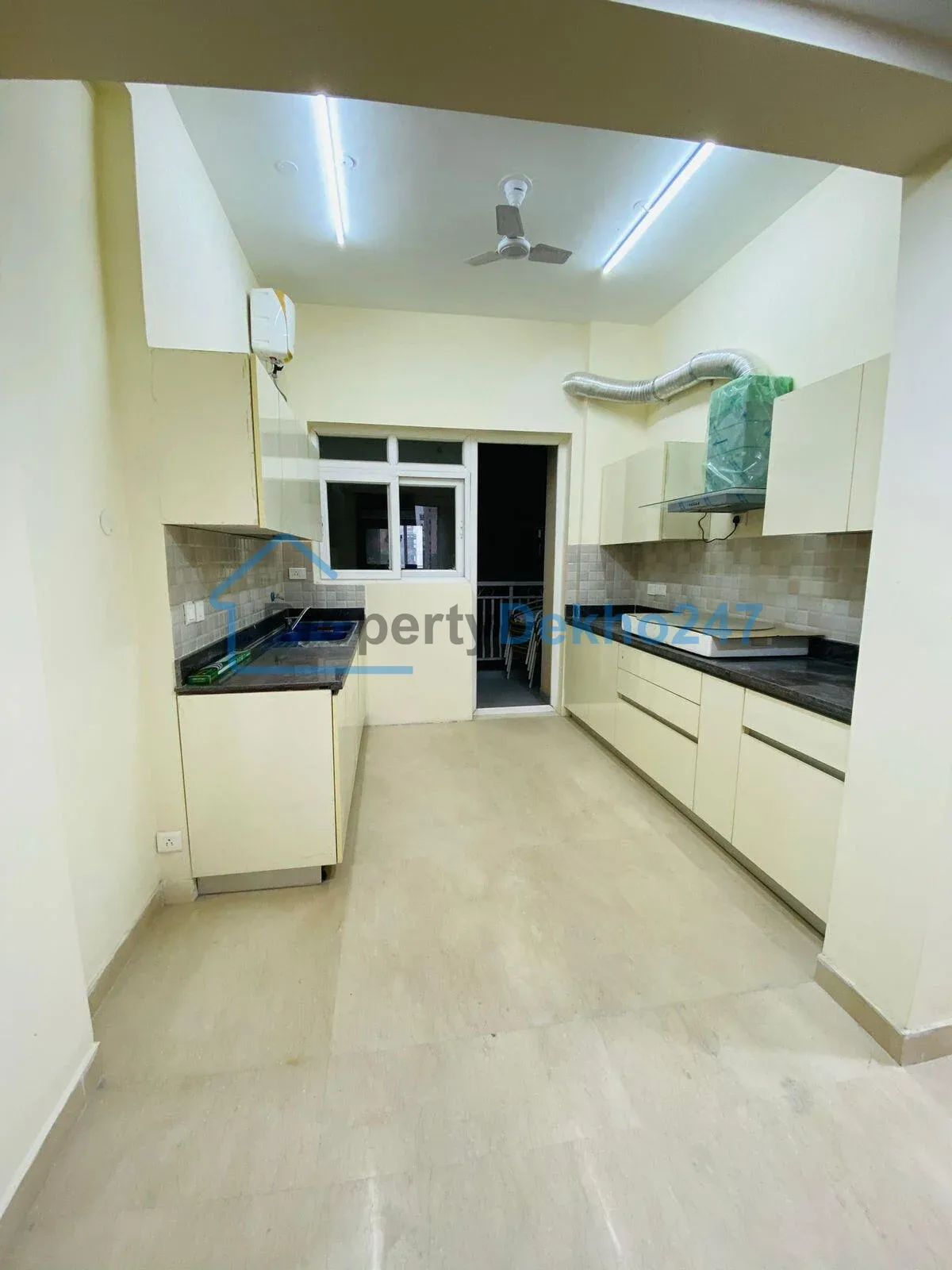
Owner Verified
BPTP Mansions Park Prime
Exact floor hidden for Owner Privacy.Status: Ready to move

Owner Verified
Emaar Palm Hills
Exact floor hidden for Owner Privacy.Status: Ready to move

Owner Verified
Emaar Amaris
Exact floor hidden for Owner Privacy.Status: Under Construction

Owner Verified
Smart World Orchard
Status: Ready to move
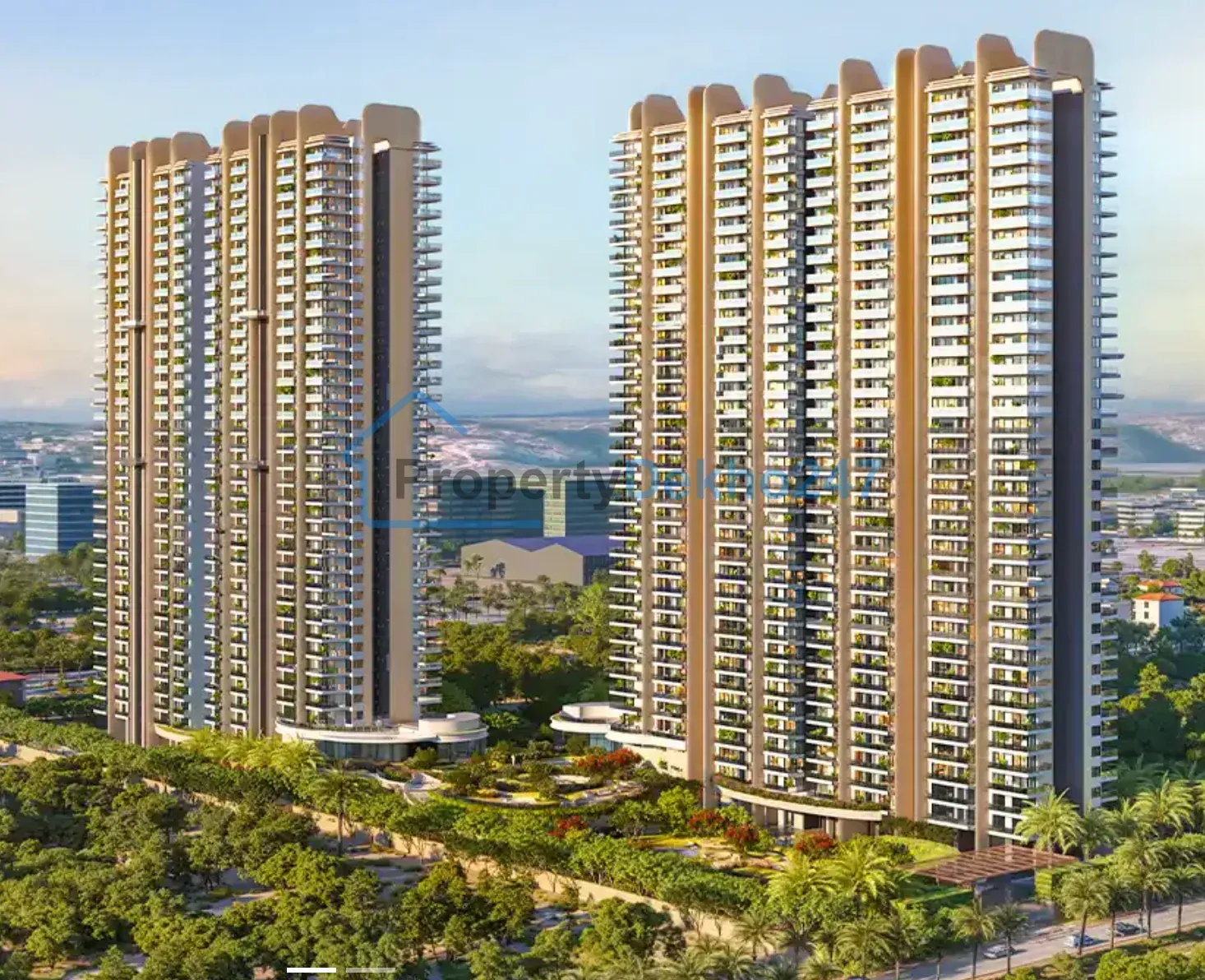
Owner Verified
Conscient Elaira Residences
Exact floor hidden for Owner Privacy.Status: Under Construction
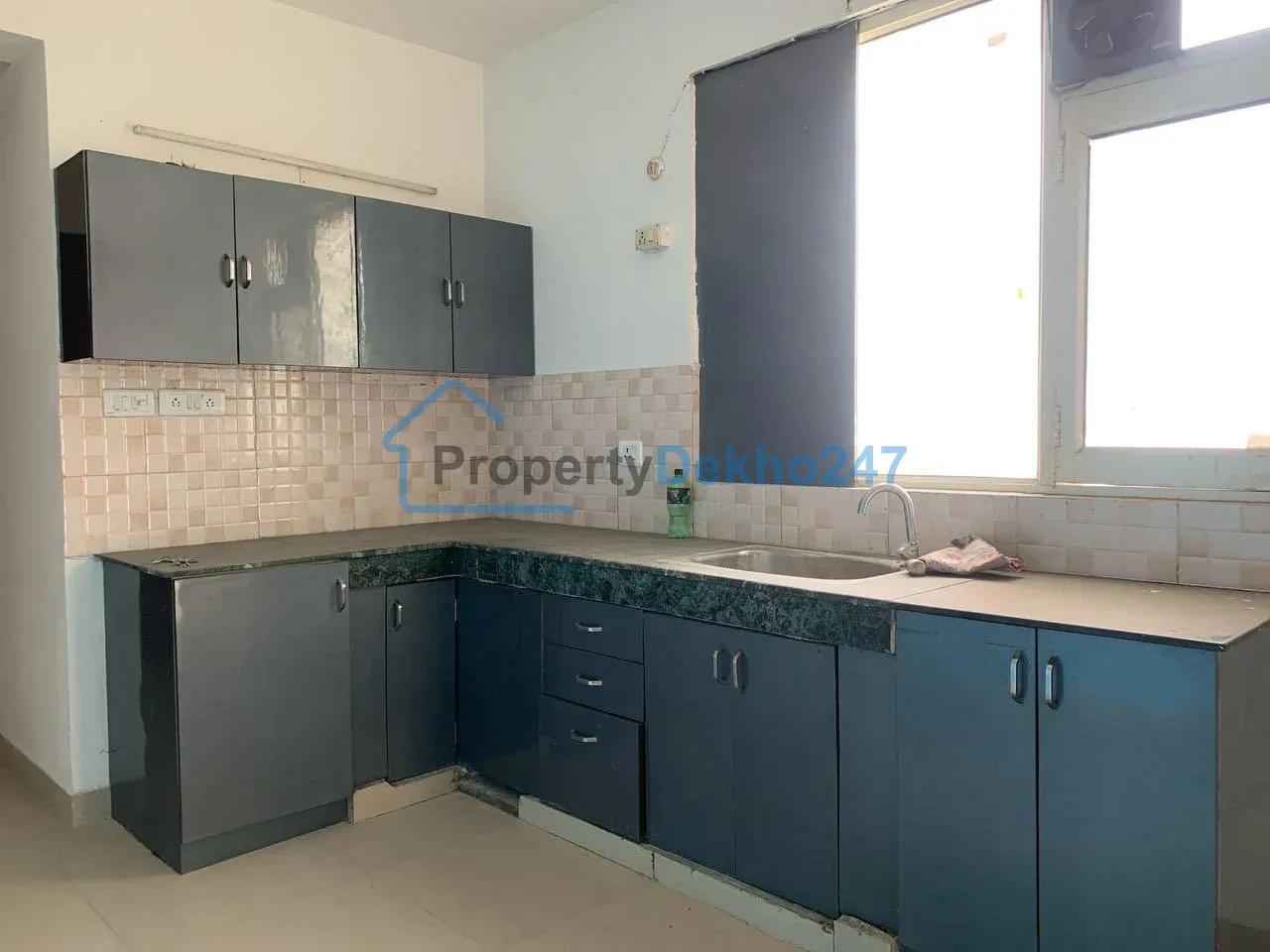
Owner Verified
ROF Ananda
Exact floor hidden for Owner Privacy.Status: Ready to move
Owner Verified
Emaar Palm Heights
Exact floor hidden for Owner Privacy.Status: Ready to move
Owner Verified
Signature Global Synera
Exact floor hidden for Owner Privacy.Status: Ready to move
Owner Verified
Krisumi Waterfall Residences
Exact floor hidden for Owner Privacy.Status: Ready to move

Owner Verified
Ascott Ireo City
Related Properties
Owner Verified
Emaar Palm Hills
Exact floor hidden for Owner Privacy.Status: Ready to move
Owner Verified
Bestech Park View Ananda
Exact floor hidden for Owner Privacy.Status: Ready to move
Owner Verified
BPTP Mansions Park Prime
Exact floor hidden for Owner Privacy.Status: Ready to move
Owner Verified
Emaar Palm Hills
Exact floor hidden for Owner Privacy.Status: Ready to move
Owner Verified
Emaar Amaris
Exact floor hidden for Owner Privacy.Status: Under Construction
Owner Verified
Smart World Orchard
Status: Ready to move
Owner Verified
Conscient Elaira Residences
Exact floor hidden for Owner Privacy.Status: Under Construction
Owner Verified
ROF Ananda
Exact floor hidden for Owner Privacy.Status: Ready to move
Owner Verified
Emaar Palm Heights
Exact floor hidden for Owner Privacy.Status: Ready to move
Owner Verified
Signature Global Synera
Exact floor hidden for Owner Privacy.Status: Ready to move
Owner Verified
Krisumi Waterfall Residences
Exact floor hidden for Owner Privacy.Status: Ready to move
Owner Verified