

India-US Trade Deal: Will It Increase Real Estate Demand in India?
The recent trade agreement that India has been having with the United States is not just being viewed as a simple diplomatic accomplishment; it is expected to transform the economic path that the country takes.The agreement that was signed on 2 February will cut Indian export tariffs to about 18 percent, raising the competitiveness of the Indian manufacturing firms in comparison with their manufacturing competitors, including China, Vietnam, Indonesia and Bangladesh.Although the agreement is mainly aimed at enhancing trade, analysts are of the view that the ripple effects would spill over into the real estate industry in India by enhancing investment levels, improving the demand in the office sector and enhancing corporate growth.
Making Sense of the India-US Trade Deal.
The agreement will promote further integration of the economy and will place India in the global value chains.Commerce and Industry Minister Piyush Goyal added that the agreement is not just a trade one but the one that will allow getting large scale investment and access to modern technologies of artificial intelligence, semiconductors and critical minerals.
Key highlights include:
The tariffs were dropped to approximately half or 50 to approximately 18 on Indian exports.
Anticipated rise in investor mood and macroeconomic condition.
The prospects of inflows of investments worth lakhs of crores.
All these may have an indirect effect on the demand of property in both commercial and residential sectors.
How Trade Agreements Typically Influence Real Estate
The real estate market is usually volatile to macroeconomic indicators and not only to policy shifts. When trade barriers fall:
Economic development through trade will lead to business development, which will result in creating employment, which will lead to residential office development, which will lead to housing demand.
Reduced tariffs will stabilize exports and improve the currency perspective, which has historically boosted capital inflows and property markets.
According to industry analysts, decreased trade tensions boost foreign investment confidence, which is the key to the growth in the business real estate.
Why the Deal Could Increase Real Estate Demand
More Intense Foreign Direct Investment (FDI).
According to the real estate consultants, the agreement can potentially enhance the sector by increasing FDI, particularly in commercial property. Moreover, enhanced relations in global trade should also support long-term demand for Grade-A office space, especially by Global Capability Centers (GCCs).
Global Capability Centre Expansion (GCCs).
It has approximately 1,900 GCCs in India at the moment, which are expected to increase to 2,400-2,500 by 2030, with almost 2.5 million employees.
This is important since GCC inspired leasing has emerged as a significant office needs driver.
The U.S. companies occupied more than one-third of the office lease in the leading Indian cities in the period between 2022 and 2024.
Almost 70 percent of the same area was allocated to setting up or developing capability centers.
Implication: The presence of more multinational establishments will mean greater take up of office space and residential demand in the employment centers.
Improved Economic Outlook
India already has been improved in growth projections by the global brokerage Goldman Sachs and this is an indication of sounder macro fundamentals.
In the meantime, BNP Paribas anticipates the inflow of foreign investors in the areas of IT and financial services, which will enhance the earnings visibility.
One of the best predictors of property demand is economic growth.
Export Led Sector Growth
The industries that are labor intensive such as textiles, gems, auto parts and marine products will be competitive again with the lowering tariffs.
Growth in these sectors can:
Create jobs
Develop industrial belts.
Provide more housing around manufacturing centers.
Rising Investor Confidence
The tariff rollback is regarded as a reduction of the uncertainty and support of investor sentiment, which can positively contribute to exports and economic growth.
In real estate, confidence is a vital factor since long term investments are largely reliant on the stability of the economic environment.
Which Real Estate Segments Stand to Benefit the Most?
Commercial Office Spaces
The office demand is expected to hit the stabilization level of 70-75 million square feet per year, with GCC leasing taking up to 40-50 percent of Grade-A demand.
Data Centres and Tech Infrastructure
The office and land demand can be transformed by government and corporate investments in high-performance data centers.
Tier‑1 and Emerging Cities
GCC expansion is already spearheaded by technology hubs like Bengaluru and Tier-2 cities are becoming more appealing because of cost benefits.
Residential Housing
Increased employment is usually associated with increased housing consumption especially in cities that have a big multinational workforce.
Potential Risks and Uncertainties
The effects are likely to be slow and not instantaneous even though there was optimism.
According to analysts, the transaction eliminates a significant sentiment hang but leaves fundamentals in the sector unchanged on an overnight basis.
Other trade agreements that are competing like tariff benefits for other countries may affect the export advantage of India.
Simply put, sentiment comes first, followed by the demand for real estate.
Expert Perspective
Without such an agreement, industry observers note that tariff pressures would have slowed the economic growth and diminished demand in the price-sensitive property market of India. The deal is thus largely considered a stabilizing factor and not a short term trigger.
What This Means for Investors and Developers
Short Term Outlook:
Better business atmosphere
Interest of stronger foreign investors
Medium Term Outlook:
Corporate expansion
Higher office leasing
Infrastructure growth
Long Term Outlook:
Sustainable housing demand
Institutional investment
Mature commercial markets
To developers, it is simple to match the projects with employment corridors and business districts.
FAQs
1. Will the India-US trade agreement have a direct effect on raising property prices?
Not immediately. The transaction mainly increases the economic activity and it slowly contributes to the demand and prices of the property.
2. Which cities could benefit the most?
Such cities as Bengaluru, Delhi-NCR, Mumbai, Hyderabad and Pune are major office markets, and it can be expected that their absorption will increase as a result of the expansion of multinationals.
3. Is commercial or residential real estate the bigger winner?
Firstly, commercial real estate can be advantageous to the area through office leasing and secondly, residential development due to the creation of jobs.
4. Are foreign investors likely to enter India’s property market?
Yes. Institutional capital inflows are usually promoted by improved trade relations as well as macro stability.
Conclusion
The India-US trade agreement is not a fast track property boom driver, however, it is a strong structural message. The agreement will enhance competitiveness in exports, encourage multinational corporations and boost investor confidence, which will make it possible to sustain the real estate demand in both commercial and residential sectors. In the case of India, a bigger story is global supply chain integration. In the case of real estate, such integration may be in the form of full occupancy of offices, occupied residential properties and enhanced investment pipelines in the next decade.


Owner Verified
IRWO Westend Towers
 Exact floor hidden for Owner Privacy.
Status: Ready to move

Owner Verified
Vatika Independent Floors
Status: Ready to move

Owner Verified
WoodStock Floors
Status: Ready to move

Owner Verified
DLF The Skycourt
Exact floor hidden for Owner Privacy.Status: Ready to move
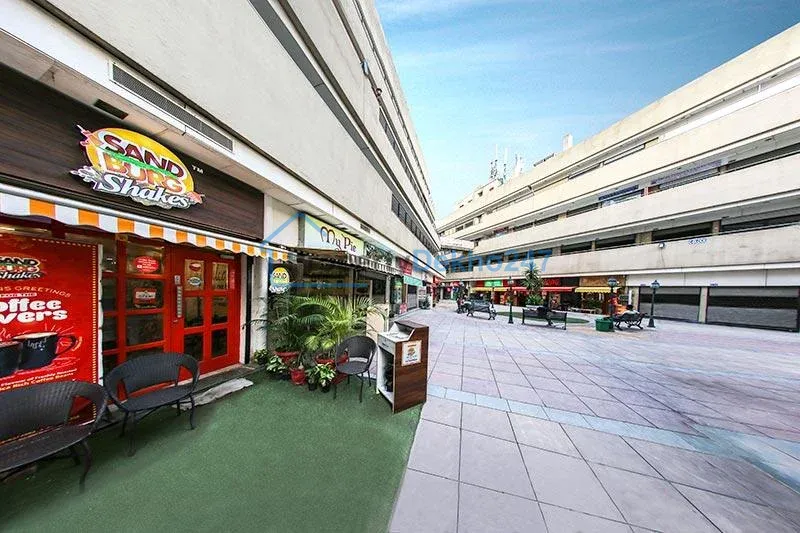
Owner Verified
Baani Square

Owner Verified
M3M Heights
Exact floor hidden for Owner Privacy.Status: Ready to move

Owner Verified
BPTP Amstoria
Status: Under Construction
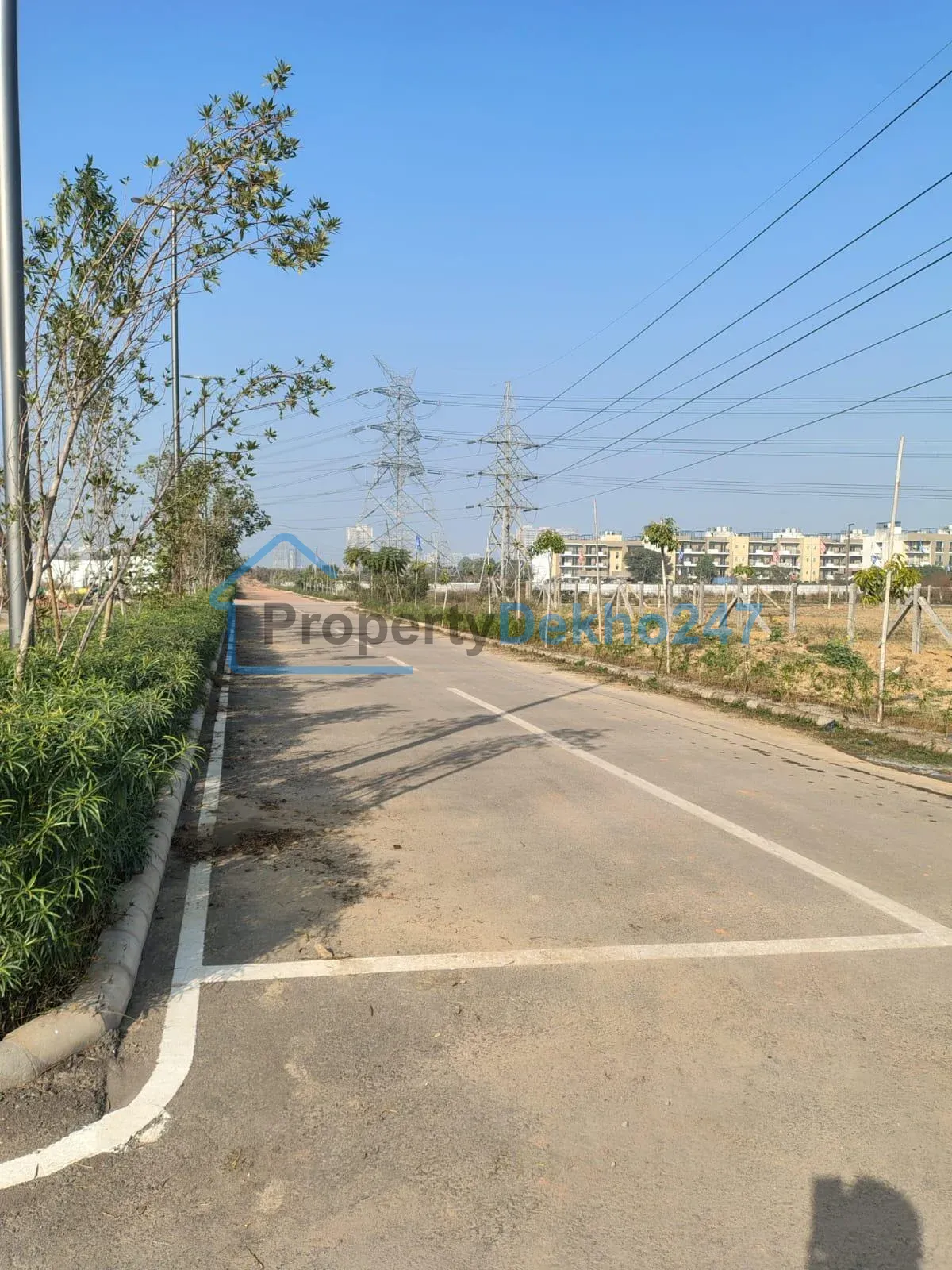
Owner Verified
Vatika Aspiration

Owner Verified
Signature The Roselia
Exact floor hidden for Owner Privacy.Status: Ready to move

Owner Verified
DLF The Ultima
Exact floor hidden for Owner Privacy.Status: Ready to move

Owner Verified
Vatika The Seven Lamps
Exact floor hidden for Owner Privacy.Status: Ready to move

Owner Verified
Adani Samsara Avasa
Status: Ready to move
Related Properties
Owner Verified
IRWO Westend Towers
Exact floor hidden for Owner Privacy.Status: Ready to move
Owner Verified
Vatika Independent Floors
Status: Ready to move
Owner Verified
WoodStock Floors
Status: Ready to move
Owner Verified
DLF The Skycourt
Exact floor hidden for Owner Privacy.Status: Ready to move
Owner Verified
Baani Square
Owner Verified
M3M Heights
Exact floor hidden for Owner Privacy.Status: Ready to move
Owner Verified
BPTP Amstoria
Status: Under Construction
Owner Verified
Vatika Aspiration
Owner Verified
Signature The Roselia
Exact floor hidden for Owner Privacy.Status: Ready to move
Owner Verified
DLF The Ultima
Exact floor hidden for Owner Privacy.Status: Ready to move
Owner Verified
Vatika The Seven Lamps
Exact floor hidden for Owner Privacy.Status: Ready to move
Owner Verified
Adani Samsara Avasa
Status: Ready to move