
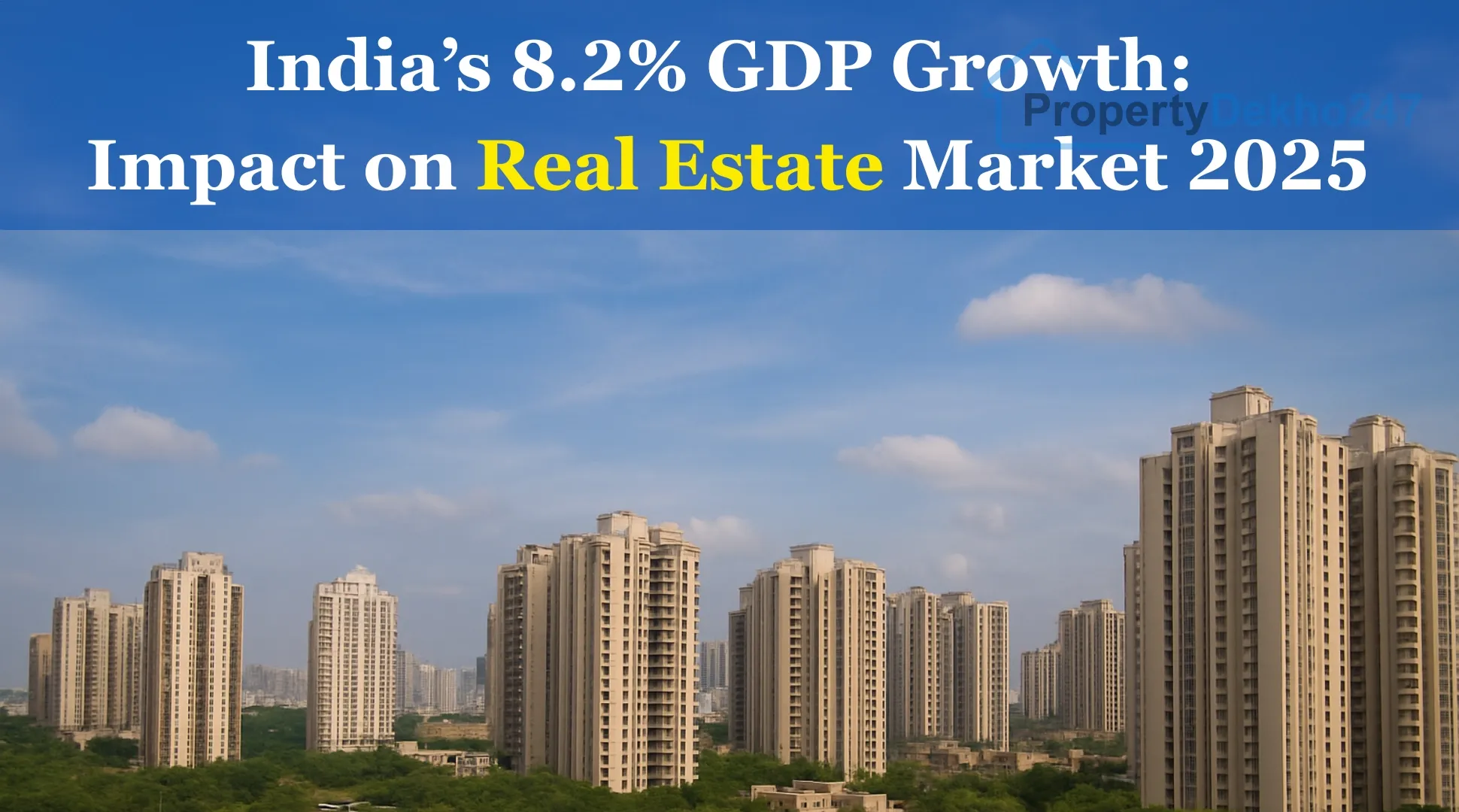
India’s 8.2% GDP Growth: Impact on Real Estate Market 2025
India's economy has recently achieved a significant milestone with a year on year GDP growth rate of 8.2% in the second quarter of the financial year 2025-26, marking the fastest growth in six quarters. This recovery is driven by strong performance across several sectors, including manufacturing, construction, services (including real estate), and increased private consumption.
For homebuyers and real estate investors, particularly those in fast-growing cities like Gurgaon, this surge is noteworthy.
As GDP growth increases, incomes rise, demand rises, and real estate often follows. In this blog, we examine how the 8.2% GDP growth could impact real estate in 2025, with a focus on Gurgaon’s potential.
Why the 8.2% Growth Matters
• Broad-Based Growth: Not Just One Sector
The growth is coming from multiple sectors: manufacturing saw a 9.1% increase, construction grew by 7.2%, and the services sector, including finance, real estate, and professional services, rose by 10.2%.
Private consumption increased by 7.9%, showing that regular households are spending more. This means the growth is not just limited to exports or corporate profits; it reflects real improvements in business activity, hiring, incomes, and demand for housing and services.
• Lower Inflation and Improved Economic Confidence
According to official sources, inflation has recently softened, which boosts purchasing power and reduces cost-of-living pressures.
Lower inflation and stable macroeconomic indicators help prospective homebuyers feel more confident about investing in real estate.
• Reform-Driven Momentum
Statements from policymakers highlight structural reforms, fiscal consolidation, and improved ease of doing business as key drivers.
This enhances investor sentiment, including in real estate and infrastructure projects, and could lead to more supply over time.
So, 8.2% is not just a headline; it signals renewed momentum, improved incomes, and a macroeconomic environment that's favorable for real estate.
What 8.2% GDP Growth Means for Real Estate in 2025
More Demand, Especially in Urban and Semi Urban Areas
Higher incomes and stable prices mean more people can afford to buy property.
Rising demand is likely to be seen in fast-growing urban fringes and satellite cities, including Gurgaon, where employment, infrastructure, and living standards are improving. This increased demand affects both purchase and rental demand, leading to higher property prices and rental yields.
Increased Construction Activity and New Projects
With the secondary (manufacturing and construction) sector growing strongly, developers may speed up ongoing projects and start new ones.
Improved business confidence and better access to capital, due to economy-wide growth, could result in a greater supply of residential, mixed-use, and commercial real estate developments. For a city like Gurgaon, with its continuous expansion and high demand for housing, this could mean more new projects, increased inventory, and possibly competitive pricing for early buyers.
Real Estate Sector Gains
The strong growth in the services segment (financial, real estate, and professional services) by about 10.2% this quarter suggests that real estate demand will rise across:
- Residential properties (apartments, flats, villas)
- Commercial offices and retail spaces (as companies expand with economic growth)
- Mixed-use developments (living, working, and complexes), especially in growth corridors
This diversification can make real estate a more attractive sector for long-term investors.
Affordability and Investment Appeal
With GDP growth and rising household incomes, affordability improves, especially for mid-segment buyers who may have delayed home purchases earlier.
At the same time, properties in growth areas become attractive for investment due to rising prices, increased rental demand, and steady capital appreciation. For a city like Gurgaon, known for rapid urbanization and high demand, 2025 may offer a favorable opportunity: entry-level investors, long-term capital appreciators, and rental yield seekers.
Why Gurgaon Could Benefit Especially
Gurgaon has unique advantages that position it well to benefit from this 8.2% GDP growth:
- It is already a major hub for IT/ITES, corporate offices, and multinational companies, so economic growth translates quickly into job creation, migration, and housing demand.
- Infrastructure expansion and connectivity projects in and around Gurgaon, such as highways, expressways, and metro/transport plans, benefit from a strong macroeconomic environment, which increases real estate appeal.
- Developers are closely monitoring macroeconomic signals; design, pricing, and project launches may align with rising demand and stable interest rates.
- For investors who bought property even 2–3 years ago, this period may represent a good time for gains as demand and prices rise.
What to Watch Out For: Risks and What to Do
While 8.2% GDP growth is encouraging, real estate buyers and investors should remain cautious:
- Supply Glut Risk: If too many developers rush to launch projects, there might be oversupply in certain areas.
Always check a developer's track record, approvals, and infrastructure readiness.
- Sustainability of Demand: GDP growth may fluctuate; ensure demand is driven by real job growth, population inflow, and not just speculative buying.
- Interest Rates and Inflation: Although inflation is currently low, future changes in interest rates or macroeconomic conditions could affect housing loan costs or demand.
- Local and Regional Factors: Even if national growth is strong, benefits may vary across cities and states.
For Gurgaon, check local infrastructure, amenities, and connectivity before investing.
- Smart buyers should look for projects with transparency, ready infrastructure, a strong builder reputation, and long-term viability, rather than being influenced solely by macroeconomic optimism.
FAQs
Q1. Is 8.2% GDP growth good for property buyers now?
A: Yes, because growth improves incomes, boosts demand, and encourages developers to launch more projects.
It's a favorable environment, especially for early-stage buyers or those seeking long-term investment.
Q2. Will real estate prices skyrocket immediately in 2025?
A: Not necessarily, prices may rise gradually, depending on demand-supply balance, infrastructure delivery, interest rates, and project location. Smart investments are in mid to long-term horizons.
Q3. Should first-time homebuyers wait for more discounts because of recession talk?
A: Given the strong GDP growth and stable inflation, waiting may not be beneficial, but it's wise to pick projects with clear approvals and good infrastructure rather than chasing discounts.
Q4.Will rental demand increase too, or only home purchases?
A: Rental demand is likely to increase, Economic growth drives employment, inbound migration, and shifting demographics, all of which boost rental demand, especially in cities like Gurgaon.
Conclusion
India’s 8.2% GDP growth in Q2 FY26 is not just a headline it signals renewed economic momentum, rising incomes, improving consumer sentiment, and a favourable environment for real estate. For cities like Gurgaon, where demand, infrastructure growth, and urban migration are already strong, this could mean a significant uptick in homebuying, rentals, property launches, and investment opportunities in 2025.
That said real estate remains a long term bet. Success will favor buyers and investors who stay grounded: choose verified projects, consider affordability, check infrastructure readiness, and think beyond short term gains.


Owner Verified
County The Center Court
 Exact floor hidden for Owner Privacy.
Status: Ready to move

Owner Verified
Puri Emerald Bay
Exact floor hidden for Owner Privacy.Status: Ready to move
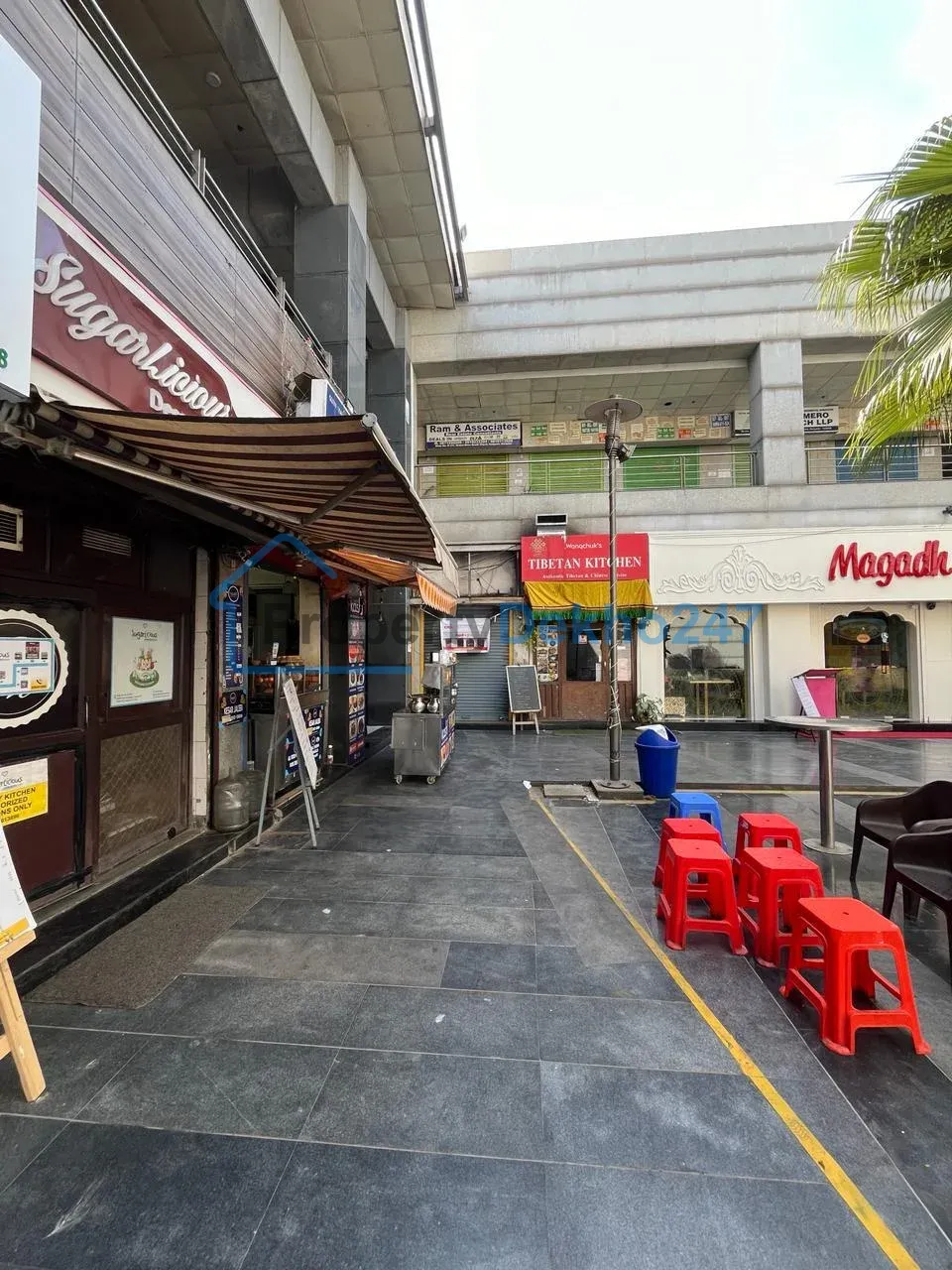
Owner Verified
South City 2
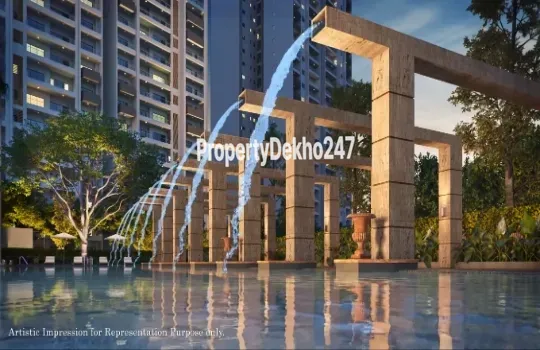
Owner Verified
Godrej Air
Exact floor hidden for Owner Privacy.Status: Ready to move
Owner Verified
Godrej Vrikshya
Exact floor hidden for Owner Privacy.Status: Under Construction
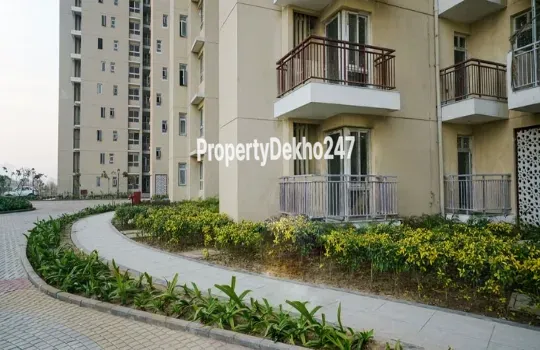
Owner Verified
BPTP Spacio
Exact floor hidden for Owner Privacy.Status: Ready to move
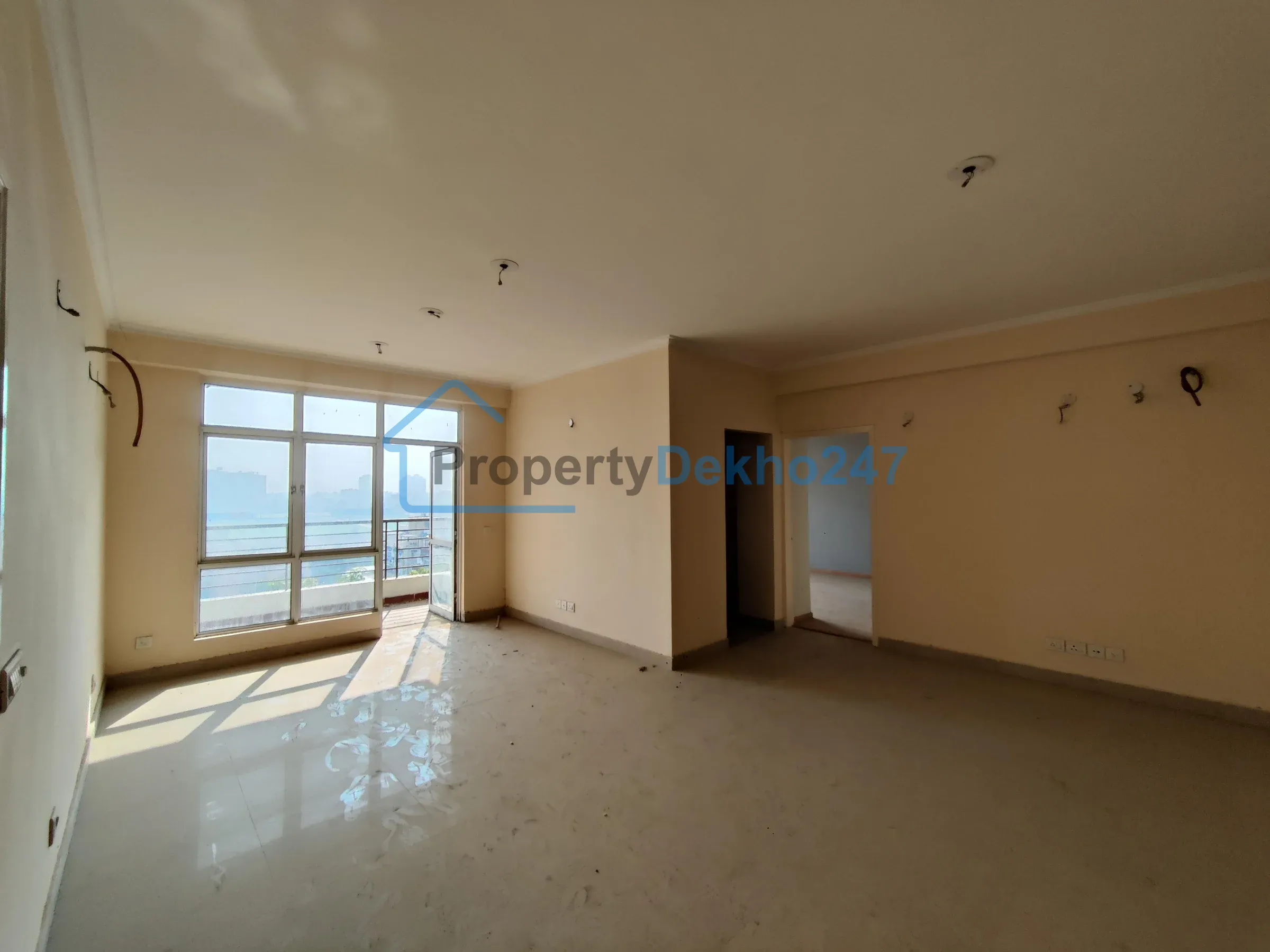
Owner Verified
Raheja Navodaya
Exact floor hidden for Owner Privacy.Status: Ready to move
Signature Global City 92
Status: Ready to move
Owner Verified
Sare Homes
Exact floor hidden for Owner Privacy.Status: Ready to move
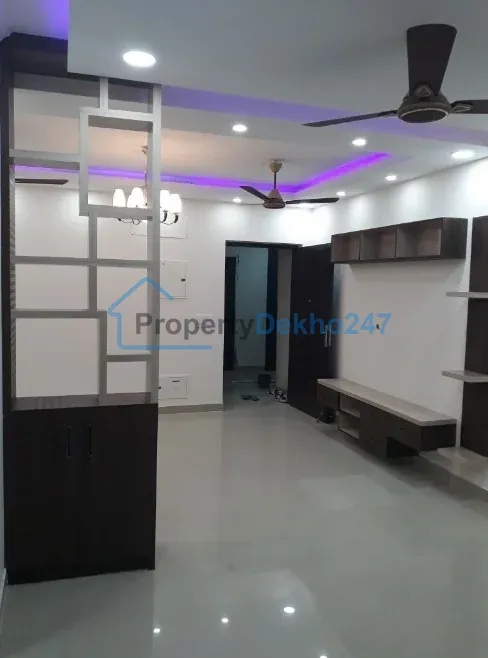
Owner Verified
Vipul Lavanya
Exact floor hidden for Owner Privacy.Status: Ready to move
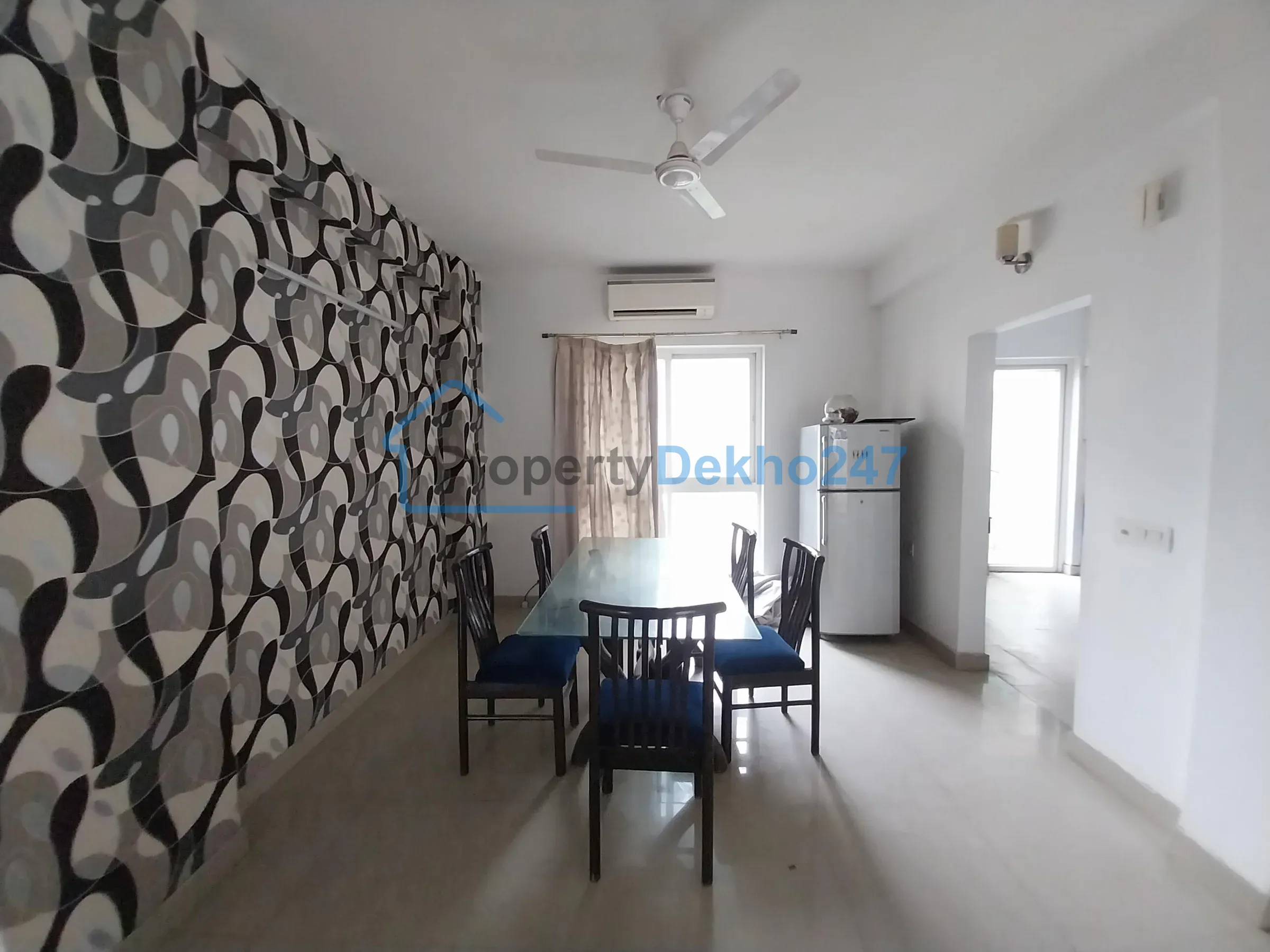
Owner Verified
Mapsko Royale Ville
Exact floor hidden for Owner Privacy.Status: Ready to move

M3M Woodshire
Status: Ready to move
Related Properties
Owner Verified
County The Center Court
Exact floor hidden for Owner Privacy.Status: Ready to move
Owner Verified
Puri Emerald Bay
Exact floor hidden for Owner Privacy.Status: Ready to move
Owner Verified
South City 2
Owner Verified
Godrej Air
Exact floor hidden for Owner Privacy.Status: Ready to move
Owner Verified
Godrej Vrikshya
Exact floor hidden for Owner Privacy.Status: Under Construction
Owner Verified
BPTP Spacio
Exact floor hidden for Owner Privacy.Status: Ready to move
Owner Verified
Raheja Navodaya
Exact floor hidden for Owner Privacy.Status: Ready to move
Signature Global City 92
Status: Ready to move
Owner Verified
Sare Homes
Exact floor hidden for Owner Privacy.Status: Ready to move
Owner Verified
Vipul Lavanya
Exact floor hidden for Owner Privacy.Status: Ready to move
Owner Verified
Mapsko Royale Ville
Exact floor hidden for Owner Privacy.Status: Ready to move
M3M Woodshire
Status: Ready to move