
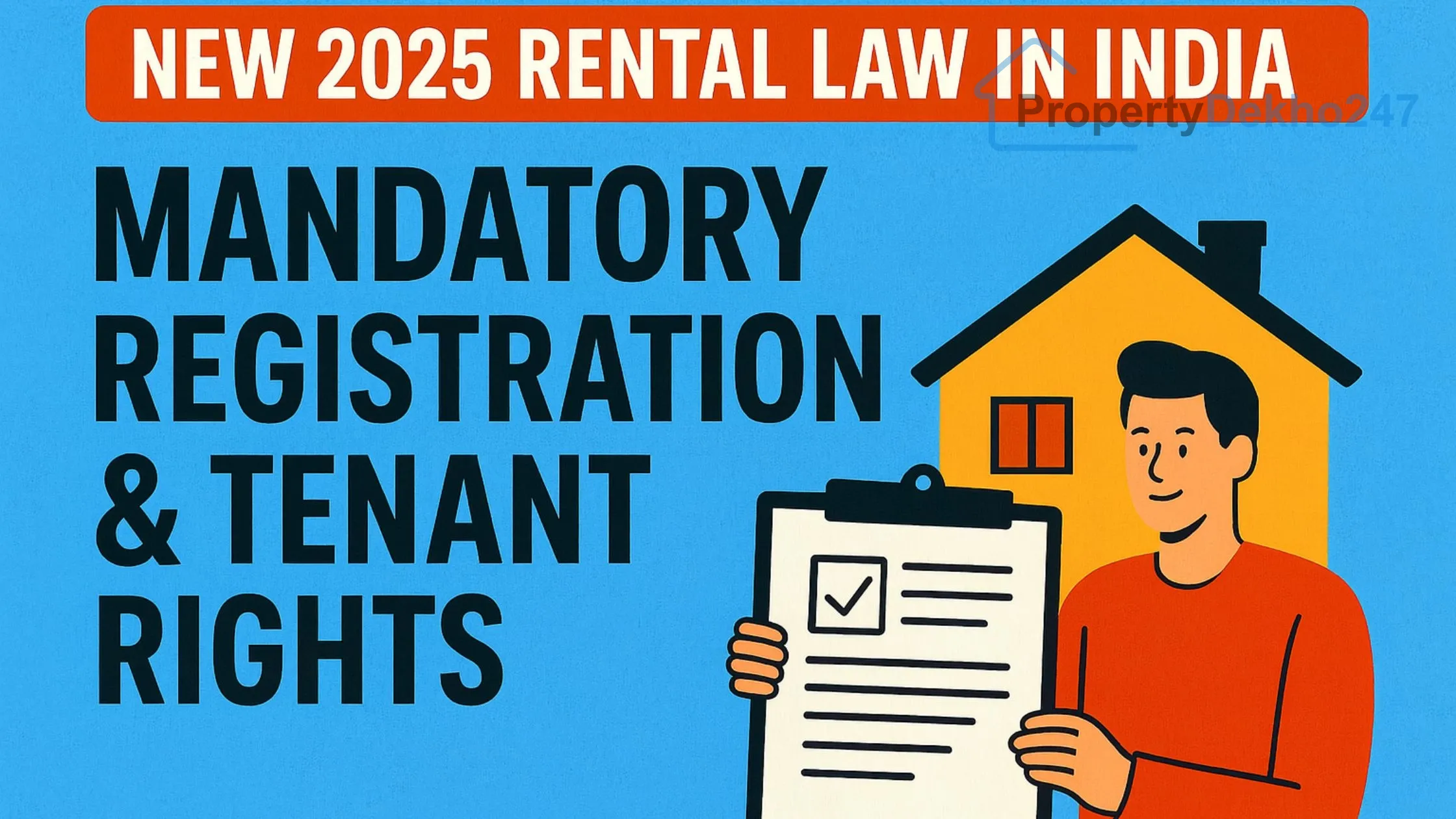
New 2025 Rental Law in India: Mandatory Registration & Tenant Rights
It has never been easy to rent a house or lease a commercial place in India. Verbal agreement on most rentals was done orally or casually on paper, therefore causing a lot of confusion, conflict and legal issues. To remedy this, a new law on rental was proposed in 2025 by the Government which will lead to a safer, fairer, and more transparent way of renting by both the tenant and the landlord.Therefore, it is always worth knowing what is new, and how you will be impacted by the changes when you are planning to rent a flat, lease a shop, or to give your property on rent. Informal Rental Market Most of the rental agreements in India had been verbal, handshakes, or even notes of hand. Without any proper documentation: The tenants were usually confronted with vague conditions, poor maintenance, or last minute payment. The landlords would also resolve situations such as unpaid rents, misuse of property or even tenants who would abandon their places without prior notification. Arguments about rent, deposits, repairs or notice was a regular occurrence and hard to solve. Both parties felt insecure and vulnerable due to this informal system. Heavy Advance Payments Landlords used to require great security deposits or even months worth of rent. This strained the tenants particularly students, working classes and middle income families and created a situation where they could hardly afford houses. Slow Legal Resolution Cases were likely to require months or even years in civil courts as the disputes were resolved. The fact that a lot of tenants and landlords lacked proper documentation or legal knowledge meant that they had to give up or they were disadvantaged because of it.The difficulties brought the necessity of having a law which would formalize the system of renting and also safeguard everyone and offer clarity. Every rental agreement residential or commercial must now be officially registered. Registration can be done online through the government portal or offline at the Sub Registrar office. Register your rental agreement within 60 days of signing it or moving in. Failing to register may lead to penalties and make the agreement legally invalid. A registered agreement protects both tenants and landlords. It clearly states important details like rent, deposit, lease duration, and other terms. 2. Digital Stamping Contracts will now require the digital stamping (e-stamp). Digital stamping eliminates fraud, authenticity and provides a verifiable legal record, which can be verified at any time. 3. Security Deposit and Advance Rent Limit. The maximum security deposit has been placed to ensure that the tenants do not pay a lot of money as down payment. This is applicable to both residential and commercial premises hence making renting cheaper. The rule also supports the tenants financially by not burdening them with the burden of the massive initial payments. 4. Easy till Rules on Rent Hikes and Eviction. The landlords are also not able to raise the rent suddenly or without any warning, tenants are given reasonable notice before an increase of rent or eviction. Tenants are not subjected to surprise visits, unauthorized checks, and without their consent, which safeguards their privacy. Everything such as maintenance, deposits and notice periods should be written. 5. Special Rent Courts Special Rent Courts have been established where the rental dispute can be settled within a short time. These courts deal with refund of deposits, unpaid rent, damage of property, eviction or subletting. Quick service is time, money and stress saving to both tenants and landlords. Reduced initial expenses: Deposit caps will also help lower financial burdens particularly to the students, professionals and families. Legal Protection: Having a registered agreement safeguards tenants from sudden eviction and unfair increases in rent. Clear Contracts: Everything is put in writing, and there is a low possibility of any misunderstanding. Quick Dispute Resolution: Rent Courts help in an effective manner when it comes to dealing with disputes. Peace of Mind: Renting will be safer, predictable and stress free. Guarantee Contracts: Guaranteed and computer marked contracts defend rental revenues and real estate. Less Fraud Risk: Documented records will stop fraudulent subletting or fraudulent claims on the part of tenants. Swift Justice: Landlords may go to Rent Courts due to non-payment of rent or damage of property, or a contravention of contract. Organized Rental System: A professional and trustworthy place of renting is formed through proper agreements. How to Register Your Rental Agreement Draft a Proper Agreement: Include all important details such as the names of the landlord and tenant, property address, rent, deposit, duration, maintenance responsibilities, notice period, and any special terms. Sign the Agreement: Both the landlord and tenant must sign the document to make it valid. Choose Registration Mode: You can register the agreement online via the government portal or offline at the Sub-Registrar’s office. Use Digital Stamp: Opt for e-stamping instead of traditional stamp paper for convenience and legal compliance. Register Within 60 Days: Complete registration within 60 days of signing to avoid penalties. Pay Government Fees: Submit any required registration fees at the time of registration. Keep Copies: Maintain both digital and physical copies of the registered agreement for future reference. Follow All Rules: Ensure compliance with deposit limits, rent terms, and notice periods as outlined in the agreement. Rental Law 2025 is one of the significant steps on the way to the modernization of the Indian rental system. It provides fairness, transparency and legal security to both tenants and landlords since the registration is mandatory, the stamping is digital, it has deposit limits, and specific Rent Courts. When you are renting or letting out property make sure to Write a proper rental contract. Stamp and register within a period of 60 days. Adhere to rules of deposit, rent and notice. Keep proper records In this way, you will be able to have a safe, legal, and hassle free rental process. The act will establish a more inclusive and safer rental system in India that will advantage families, tenants, and landlords in millions. Q: Do all rental agreements need to be registered? Q: How soon should a rental agreement be registered? Q: What happens if the agreement isn’t registered on time? Q: Are large security deposits allowed? Q: How are disputes resolved?Introduction
Why the 2025 Rental Law Was Needed
Key Features of the 2025 Rental Law
1. Mandatory Registration of All Agreements
Benefits for Tenants
Benefits for Landlords
Why the 2025 Rental Law Matters
The 2025 Rental Law introduces sanity, fairness and safety in the India rental market. It substitutes the informal contracts with registered, legally valid contracts. Tenants receive defence against abrupt increases in rent, eviction, and the landlords obtain property and rental money. Quick conflict resolution by Rent Courts will save time and effort and the result is a stable and trustworthy rental environment to all.Conclusion
FAQs
Yes. Every rental agreement whether for a residential or commercial property, and whether short term or long term must be officially registered.
The rental agreement must be registered within 60 days of signing it or moving into the property.
If registration is delayed or not done at all, the landlord may face penalties, and the agreement won’t be legally valid.
No. The law sets a cap on security deposits and advance rent to keep renting affordable for tenants.
Disputes are resolved through dedicated Rent Courts, which provide fast and efficient legal solutions for rental issues.Read More


Owner Verified
Emaar Palm Gardens
 Exact floor hidden for Owner Privacy.
Status: Ready to move
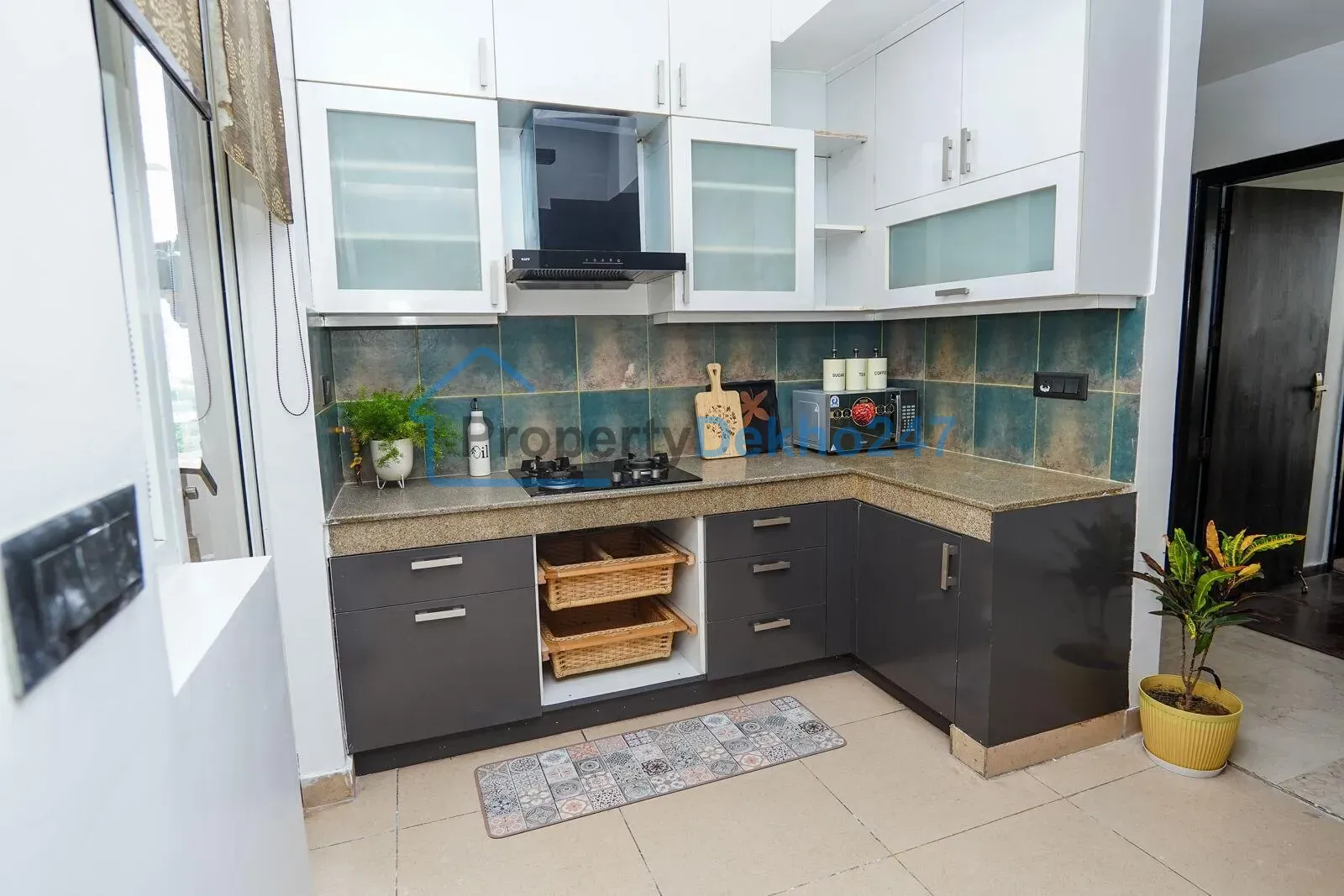
Owner Verified
Paras Irene
Exact floor hidden for Owner Privacy.Status: Ready to move
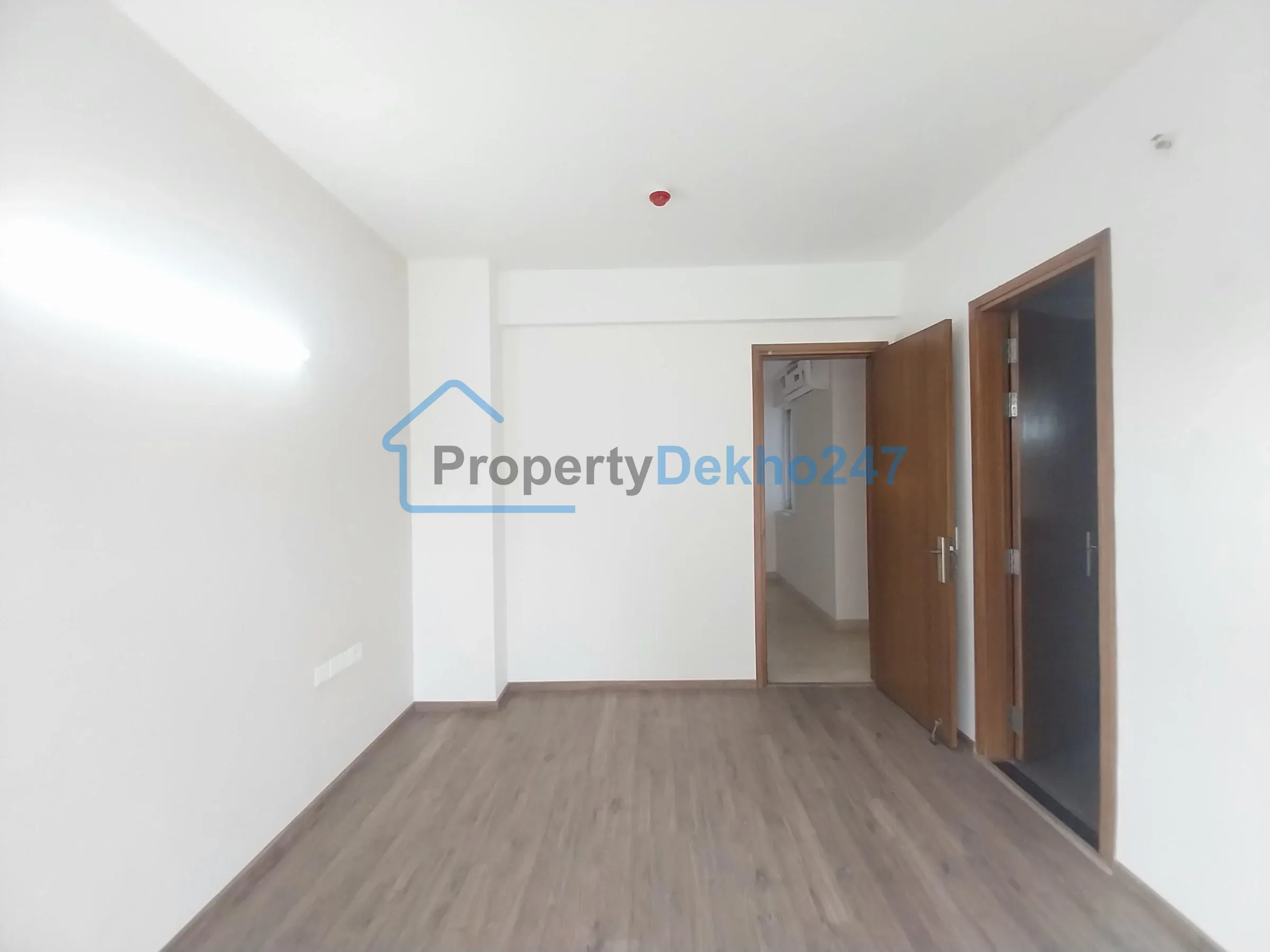
Owner Verified
County The Center Court
Exact floor hidden for Owner Privacy.Status: Ready to move

Owner Verified
ATS Kocoon
Exact floor hidden for Owner Privacy.Status: Ready to move
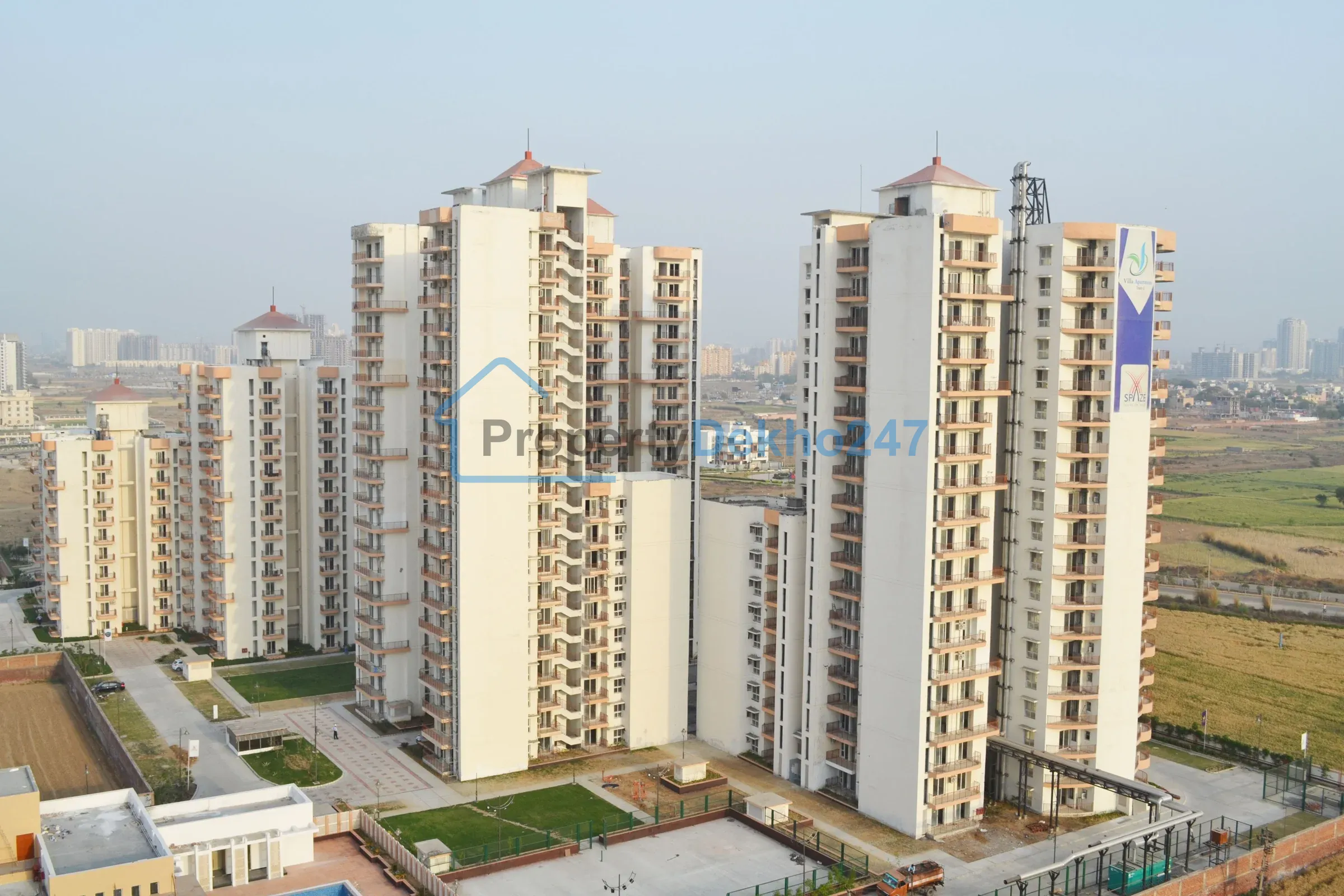
Owner Verified
Spaze Privvy The Address
Exact floor hidden for Owner Privacy.Status: Ready to move
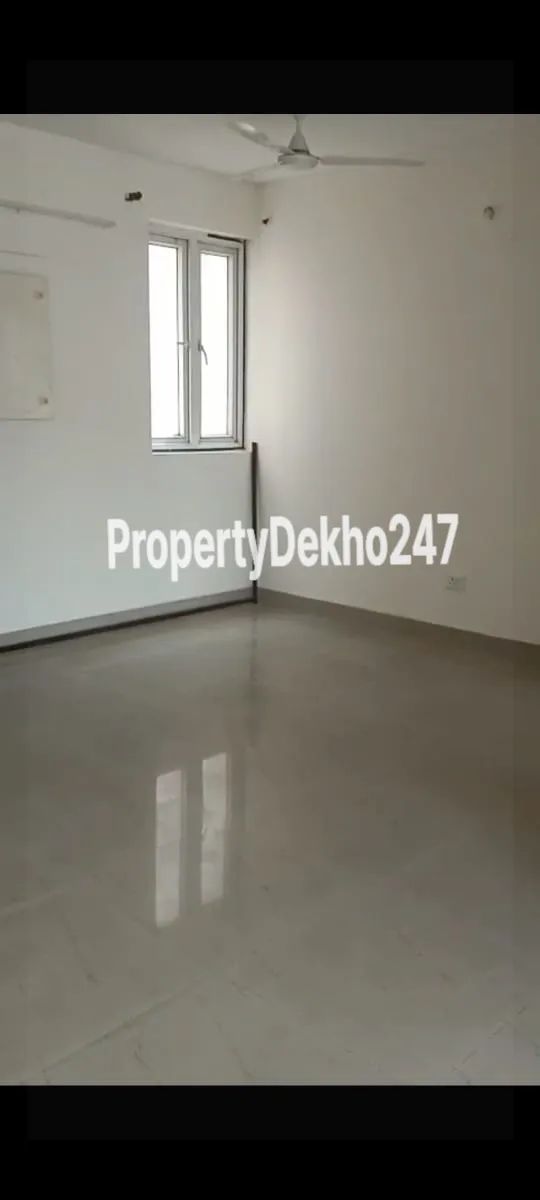
Owner Verified
BPTP Park Serene
Exact floor hidden for Owner Privacy.Status: Ready to move

Owner Verified
M3M Skywalk
Exact floor hidden for Owner Privacy.Status: Ready to move

Owner Verified
Smart World Orchard
Status: Under Construction
DLF Phase 2
Status: Ready to move
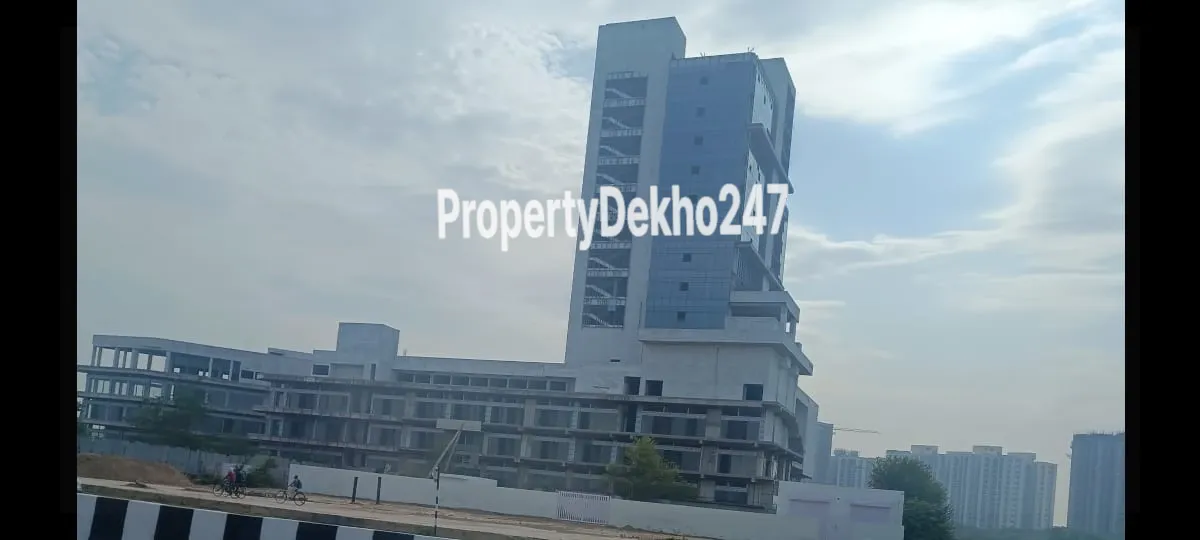
Owner Verified
Amb Selfie Square
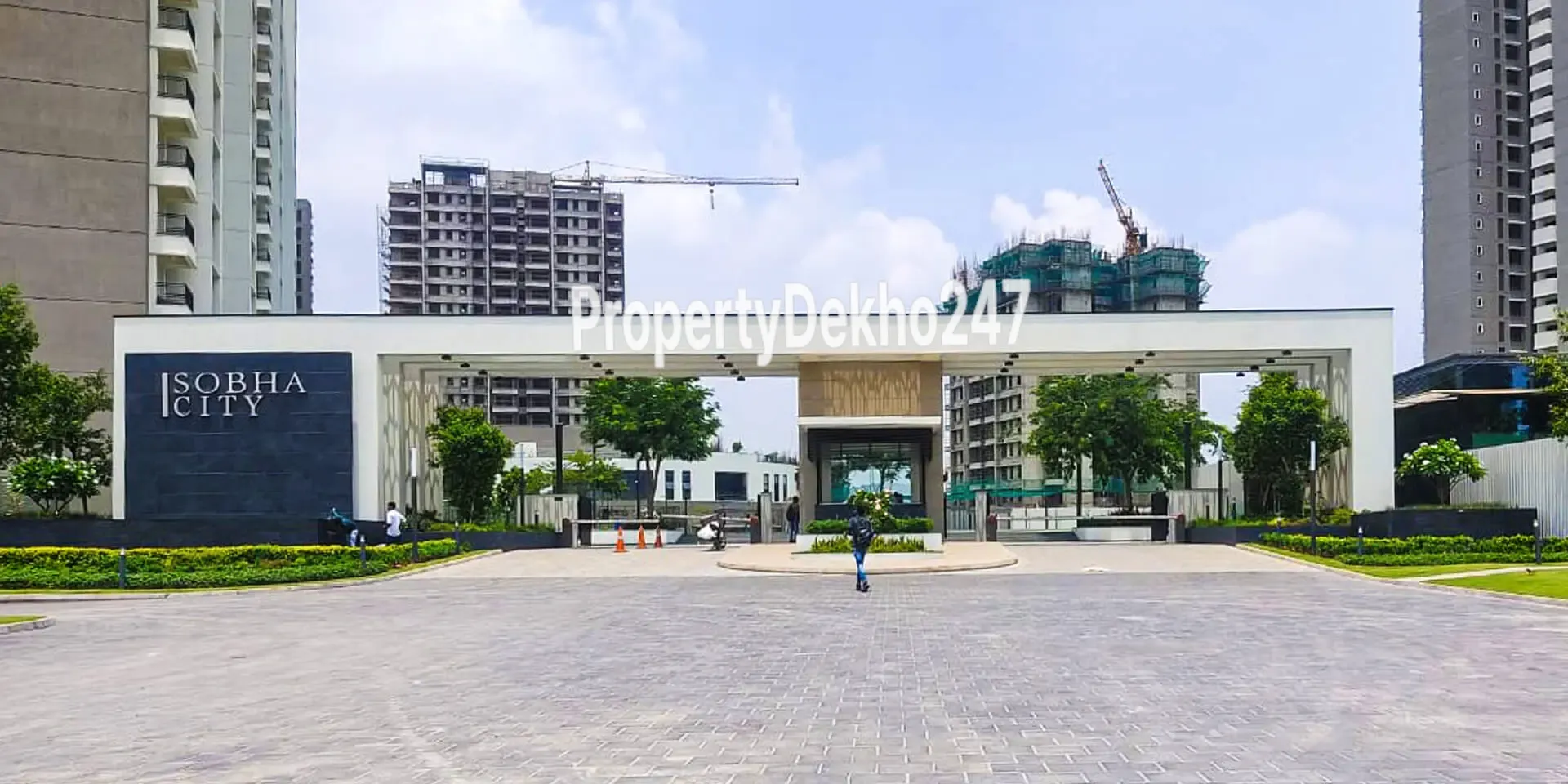
Owner Verified
Sobha City
Exact floor hidden for Owner Privacy.Status: Ready to move
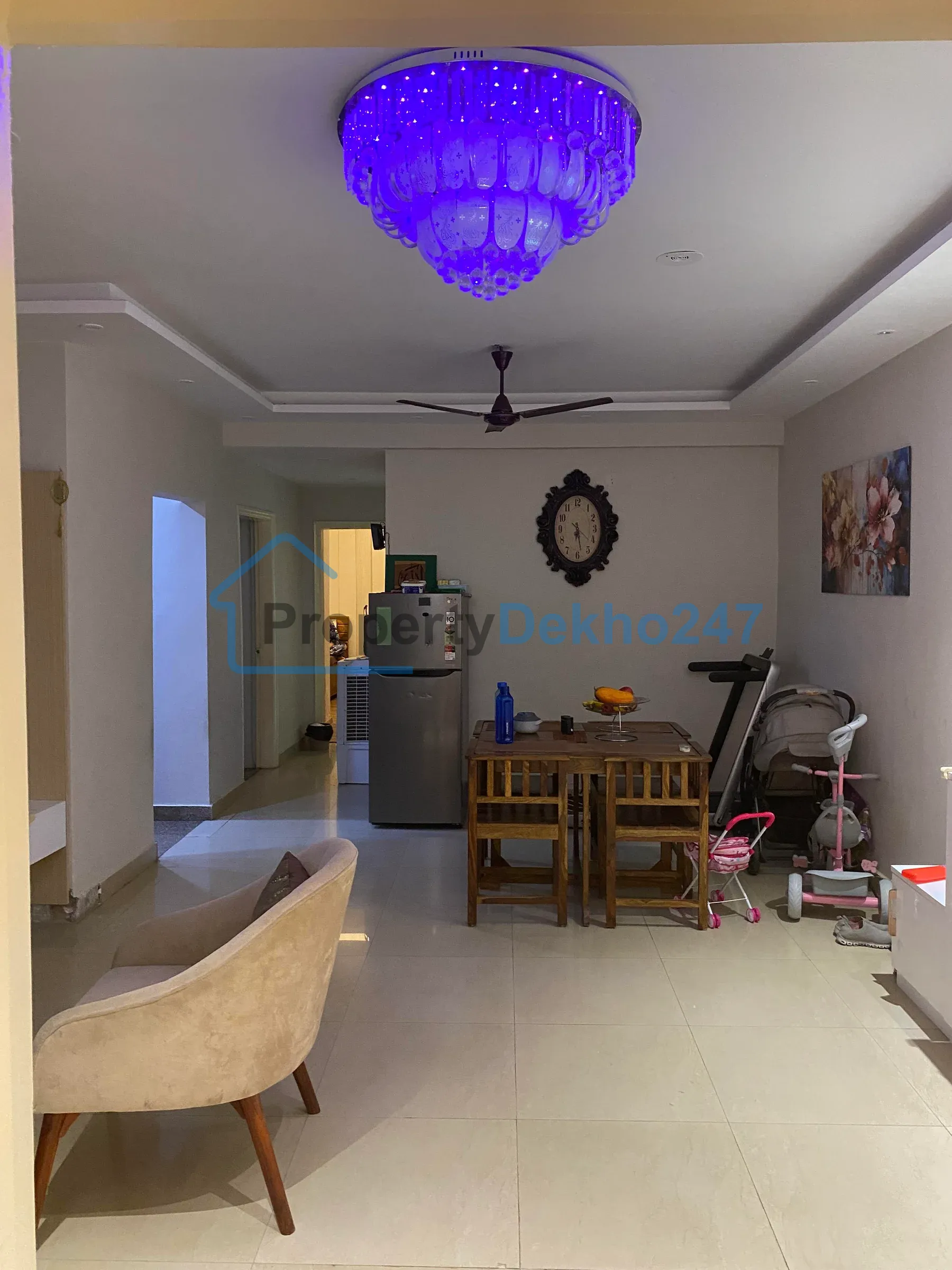
Owner Verified
Raheja Navodaya
Exact floor hidden for Owner Privacy.Status: Ready to move
Related Properties
Owner Verified
Emaar Palm Gardens
Exact floor hidden for Owner Privacy.Status: Ready to move
Owner Verified
Paras Irene
Exact floor hidden for Owner Privacy.Status: Ready to move
Owner Verified
County The Center Court
Exact floor hidden for Owner Privacy.Status: Ready to move
Owner Verified
ATS Kocoon
Exact floor hidden for Owner Privacy.Status: Ready to move
Owner Verified
Spaze Privvy The Address
Exact floor hidden for Owner Privacy.Status: Ready to move
Owner Verified
BPTP Park Serene
Exact floor hidden for Owner Privacy.Status: Ready to move
Owner Verified
M3M Skywalk
Exact floor hidden for Owner Privacy.Status: Ready to move
Owner Verified
Smart World Orchard
Status: Under Construction
DLF Phase 2
Status: Ready to move
Owner Verified
Amb Selfie Square
Owner Verified
Sobha City
Exact floor hidden for Owner Privacy.Status: Ready to move
Owner Verified
Raheja Navodaya
Exact floor hidden for Owner Privacy.Status: Ready to move