

New Tax Rules for Real Estate in 2026: Impact on Buyers & Developers
A Turning Point for Indian Real EstateIn 2026, India's real estate market is passing a critical phase.Having been burdened with slow recovery, increase in construction costs and affordability of homes, tax policies have now been taken as a major driving force in determining the way the housing industry proceeds. According to the latest budget debates and industry reactions, it appears that the government is giving serious consideration to ensuring homes are made affordable and sustainable development.
Although one tax change is unlikely to resolve every issue, the general trend of the proposed changes to FY 2026 is a positive sign to both homebuyers and developers.It is shifting towards encouraging housing demand, assisting the middle income consumers, and establishing a long term trust in the real estate market.
The importance of real estate tax policy has increased significantly in 2026.Why Real Estate Tax Policy Matters More in 2026 Than BeforeHousing today is deeply interconnected with employment, infrastructure growth, and household financial security. Over the last few years:Property prices have increased faster than incomes in most urban centers.Construction costs have surged due to raw material inflation.Affordable housing projects have slowed because margins are tight.
Tax rules sit at the intersection of all these pressures. For buyers, taxes influence affordability. For developers, they determine whether a project is viable at all. For the government, housing activity directly affects GDP growth and job creation.This is why 2026 is emerging as a reset year for real estate taxation, rather than just a routine fiscal update.
The Affordable Housing CapOne of the biggest discussions for 2026 is how “affordable housing” is defined for tax benefits.The Core ProblemAffordable housing incentives were designed years ago when land prices and construction costs were significantly lower. Today, in major cities, it is nearly impossible to deliver homes within the existing price caps without compromising on quality, location, or scale.
As a result:
Developers hesitate to launch affordable projects.
Buyers are pushed into informal or peripheral housing markets.
Tax benefits fail to reach the intended segment.
One of the top housing policy debates for 2026 is how ‘affordable housing’ is defined for tax credit eligibility.
What’s Likely to Change
Industry voices are pushing for a revised price threshold that reflects current market realities. If accepted, this would:
Bring more projects under the affordable housing umbrella
Restore developer interest in mass housing
Expand supply in the ₹40–80 lakh segment in urban India
For buyers, this could mean better quality homes at manageable prices, rather than artificially cheap units far from employment hubs.
Tax Relief for Developers: Why It’s Not Just a “Free Pass”
Developer focused tax relief often gets criticism, but there’s a clear reason behind it.
The Reality Developers Face
Today, real estate developers deal with:
High borrowing costs – loans and interest make projects expensive.
Delays in approvals – getting permissions takes time.
Heavy compliance expenses – following rules adds extra costs.
Limited pricing flexibility – market pressure limits how much they can charge.
When profits shrink, developers launch fewer projects. This reduces the supply of homes and can make prices less stable. Targeted tax relief helps developers finish projects faster and keep housing supply steady, benefiting both buyers and the market.
Strategic Tax Relief = Supply Stability
Targeted tax incentives especially for projects aligned with affordability or urban regeneration can:
Improve project feasibility.
Accelerate completion timelines.
Reduce stress on balance sheets.
The goal is to make sure enough homes are built in busy areas, not to give handouts to slow or inefficient projects.
How 2026 Tax Changes Could Impact Homebuyers
From a buyer’s perspective, tax policy often feels distant. In reality, it shapes almost every purchase decision.
Short Term Impact
If tax incentives are aligned properly:
More mid-range housing supply could enter the market
Developers may avoid aggressive price hikes.
Buyers could see better unit sizes and amenities
Medium Term Impact
Stable tax policies improve:
Project delivery timelines
Financing availability
Trust in under-construction projects
This is particularly important for first time buyers, who are most sensitive to price volatility and delays.
Investors: Reading Between the Policy Lines
For real estate investors, 2026 is less about speculation and more about strategic positioning.
Tax clarity around affordable and mid-income housing can:
Improve rental supply in employment-heavy corridors.
Create opportunities in emerging urban clusters.
Support long-term yield stability.
Rather than chasing short term appreciation, policy aligned investments are likely to offer lower risk and predictable returns.
Potential Risks If Reforms Stall
If tax reforms fail to adapt in 2026, the consequences could include:
Reduced affordable housing launches.
Increased informal housing growth.
Higher price pressure in limited supply markets.
Growing gap between income growth and housing costs.
In such a scenario, the burden ultimately shifts back to buyers.
What to Watch Closely in 2026
As the year unfolds, stakeholders should track:
Final budget notifications and amendments
Changes in affordable housing definitions
Any extension or restructuring of housing incentives
State-level alignment with central tax policy
Tax rules alone won’t fix housing challenges, but policy consistency and realism can prevent deeper distortions.
Conclusion
The story of real estate taxes in 2026 isn’t about one single announcement, it's about the choices the government makes. These decisions will decide if housing becomes easier to access or stays hard to get. For buyers, it’s a year to stay updated and make smart decisions. Developers will need to adjust their plans and investors should think about the long term. If the right balance is found, 2026 could be the start of a more stable, fair and strong housing market in India.
FAQ
1. What are the new real estate tax rules for 2026?
The new tax rules aim to make homes more affordable and ease the tax load on developers helping more housing projects get built.
2. How will these tax changes help homebuyers?
Homebuyers may get more options, fairer prices and faster delivery of new projects.
3. Are developers getting any tax relief in 2026?
Yes. Developers may receive targeted tax relief to help them complete projects faster and keep them financially stable.
4. Will property prices go up because of these tax changes?
Not necessarily. By encouraging more housing supply, these changes could actually help keep prices steady.
5. Is 2026 a good year to invest in real estate?
It could be especially in affordable and mid-income housing, which are likely to benefit from supportive tax policies.
6. Where can I find official updates about 2026 real estate taxes?
The most reliable sources are Union Budget announcements and official government notifications. Read More
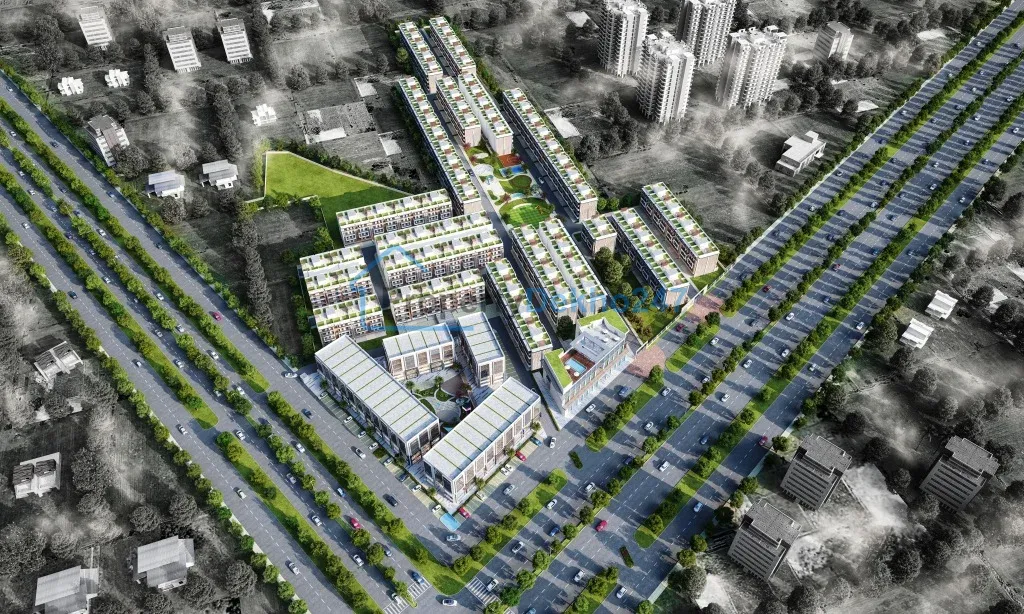

Owner Verified
ROF Insignia Park
Owner Verified
DLF New Town Heights 2
 Exact floor hidden for Owner Privacy.
Status: Ready to move
Owner Verified
Vatika Lifestyle Homes
Exact floor hidden for Owner Privacy.Status: Ready to move

Owner Verified
Jacobpura
Status: Ready to move

Owner Verified
Sector 46
Status: Ready to move

Owner Verified
Sare Homes
Exact floor hidden for Owner Privacy.Status: Ready to move
Owner Verified
Cosmos Express 99
Exact floor hidden for Owner Privacy.Status: Ready to move

Owner Verified
Supertech Hues
Exact floor hidden for Owner Privacy.Status: Ready to move

Owner Verified
SS The Leaf
Exact floor hidden for Owner Privacy.Status: Ready to move

Owner Verified
Godrej Arista
Exact floor hidden for Owner Privacy.Status: Under Construction

Owner Verified
Uphaar Bhumi Residency
Status: Ready to move
Owner Verified
ROF Ananda
Exact floor hidden for Owner Privacy.Status: Ready to move
Related Properties
Owner Verified
ROF Insignia Park
Owner Verified
DLF New Town Heights 2
Exact floor hidden for Owner Privacy.Status: Ready to move
Owner Verified
Vatika Lifestyle Homes
Exact floor hidden for Owner Privacy.Status: Ready to move
Owner Verified
Jacobpura
Status: Ready to move
Owner Verified
Sector 46
Status: Ready to move
Owner Verified
Sare Homes
Exact floor hidden for Owner Privacy.Status: Ready to move
Owner Verified
Cosmos Express 99
Exact floor hidden for Owner Privacy.Status: Ready to move
Owner Verified
Supertech Hues
Exact floor hidden for Owner Privacy.Status: Ready to move
Owner Verified
SS The Leaf
Exact floor hidden for Owner Privacy.Status: Ready to move
Owner Verified
Godrej Arista
Exact floor hidden for Owner Privacy.Status: Under Construction
Owner Verified
Uphaar Bhumi Residency
Status: Ready to move
Owner Verified
ROF Ananda
Exact floor hidden for Owner Privacy.Status: Ready to move