

NRI Guide to Buying Property in Gurgaon
As an NRI interested in buying property in Gurgaon, you are entering one of India’s most vibrant and dynamic real estate markets. Gurgaon, also known as Gurugram, has quickly transformed into a premier destination that offers a mix of luxury residential projects, commercial spaces, and state of the art amenities. Whether your goal is long-term investment, generating rental income, or purchasing a second home, the city’s flourishing real estate sector is designed to cater to the aspirations of NRIs looking for growth and stability. With top notch infrastructure, excellent connectivity via the Dwarka Expressway and Golf Course Road, and a favourable legal framework for foreign investment, Gurgaon stands out as an ideal choice for NRI property investment in India. This guide is designed to provide you with valuable insights to navigate the Gurgaon real estate market with confidence and make well informed decisions when buying property in the city. Yes, as an NRI, you are eligible to buy property in Gurgaon, including residential and commercial properties such as apartments, villas, office spaces, and shops. However, purchasing agricultural land, farmhouses, or plantation properties is not permitted under Indian regulations. This distinction is critical to ensure your investment complies with Indian law and avoids legal complications. Whether you're considering ready to move in properties or pre launch residential projects, you can freely own and manage multiple properties. Additionally, you can rent them out to generate consistent rental income in the growing Gurgaon real estate market. Your property purchase as an NRI is regulated under the Foreign Exchange Management Act (FEMA), which governs foreign exchange and asset acquisition by NRIs and Persons of Indian Origin (PIOs). According to FEMA: Permitted Properties: Residential and commercial properties only. Restricted Properties: Agricultural land, plantations, and farmhouses are prohibited without prior approval. Payment Procedure: All payments related to buying or selling must be made through proper banking channels such as NRE (Non-Resident External) or NRO (Non-Resident Ordinary) accounts. Power of Attorney (POA): A POA is often used by NRIs to authorize a trusted person in India to manage property transactions legally on their behalf. It must be duly notarized to be valid. Additionally, FEMA regulations ensure that you comply with tax obligations such as capital gains tax and maintain proper documentation for stamp duty registration. Understanding these rules will help you avoid legal pitfalls and ensure smooth ownership and sale of your property in Gurgaon. Step by Step Buying Process When buying property in Gurgaon as an NRI, the first step is selecting the right property that aligns with your needs whether it’s a luxury apartment on Golf Course Road, a ready-to-move residential project near Dwarka Expressway, or a commercial space in a prime location. Prioritize properties that are RERA-registered, as this ensures transparency and legal protection. Additionally, assess the developer’s reputation and verify that all necessary approvals and clear titles are in place. Investing in areas with modern amenities and robust infrastructure will enhance your property’s value and appeal in this competitive real estate market. Funding your property purchase requires strict adherence to RBI guidelines. NRIs must use designated accounts such as NRE (Non-Resident External), NRO (Non-Resident Ordinary), or FCNR (Foreign Currency Non-Resident) accounts for financial transactions. These channels ensure compliance with FEMA regulations and facilitate seamless money transfers. If financing through a home loan, many Indian banks offer tailored loan products for NRIs, with options to repay through these accounts. Consider currency conversion rates and tax implications, such as capital gains, when planning your budget and evaluating rental income potential. Using a Power of Attorney (POA) can simplify managing these financial transactions if you are unable to be physically present for the process. Once you finalize the sale agreement, timely and proper registration of your property is essential to establish legal ownership. Registration must be completed at the local sub-registrar’s office in Gurgaon, with payment of applicable stamp duty and registration fees, which generally range between 5-7% of the property value in Haryana. Ensure all documentation, including the sale deed, POA (if applicable), and identity proofs, are duly notarized and submitted. This step secures your investment against future disputes and facilitates smooth resale or inheritance transfers. Collect all handover documents and ensure the property is free of encumbrances before taking possession. Investing in Gurgaon real estate provides NRIs with several tax benefits that can significantly boost the return on investment. You can claim deductions on home loan interest under Section 24(b) and on principal repayments under Section 80C of the Income Tax Act, similar to resident Indians. Furthermore, if you decide to sell your property, exemptions on long term capital gains (LTCG) are available if the gains are reinvested in specified assets, such as another residential property or certain bonds. Recent government reforms may also offer NRIs reduced stamp duty charges in certain states, making property transactions more cost effective. Rental income from your Gurgaon property, while taxable, can be optimized with allowable deductions like standard deductions and maintenance costs. These incentives, coupled with consistent demand in Gurgaon’s residential and commercial sectors, make purchasing property a financially sound long term investment. While there are significant benefits, investing in Gurgaon’s real estate market comes with risks that NRIs should carefully evaluate. Market fluctuations, delays in project completions, and changes in regulatory policies can affect property values and returns. Additionally, currency exchange rate volatility can impact the overall investment cost and the repatriation of rental or sale proceeds. To mitigate these risks, conduct thorough due diligence on the developer and property title, prioritize RERA compliant projects, and stay informed about evolving legal frameworks. Engaging experienced local legal counsel and property management services can help navigate complex transactions and manage rentals effectively, ensuring a steady income stream. Diversifying your real estate portfolio across residential and commercial properties in Gurgaon can also balance risk and reward in the dynamic Indian market. For NRIs exploring property investment in Gurgaon, having a reliable platform is essential. PropertyDekho247 makes the process easier by offering clear, verified, and trustworthy information on a wide range of properties. Owner-Verified Listings: Every property listed is verified, ensuring buyers get genuine details without risk of fake postings. Clear Information: Prices, project details, and builder credentials are presented transparently for better decision-making. Wide Coverage: From residential apartments to commercial spaces, you can explore all property types in one place. Location Insights: Sector-wise information helps NRIs compare neighborhoods and choose the best area to invest. Expert Support: A professional team is available to guide NRIs at every step, from property shortlisting to final purchase. Safe Transactions: PropertyDekho247 protects user data and enables smooth, direct communication between property owners and buyers. In summary, buying property in Gurgaon provides NRIs with a unique opportunity to invest in a rapidly growing real estate market that boasts excellent long term potential. Key considerations include understanding eligibility under FEMA regulations, selecting RERA registered projects with modern amenities, and ensuring transactions are conducted through proper financial channels. Gurgaon's diverse property options, tax benefits, and strong rental demand make it an attractive destination for real estate investment. By conducting thorough research and seeking legal and financial guidance, you can confidently navigate the Gurgaon real estate market and secure a valuable asset that aligns with your investment objectives. Begin exploring your options today and take advantage of Gurgaon's thriving market. FAQs 1. Can NRIs buy property in Gurgaon? Yes, NRIs can buy residential and commercial properties in Gurgaon. However, agricultural land, farmhouses, and plantation land are restricted under Indian law. 2. What documents do NRIs need to buy property in Gurgaon? Key documents include a valid passport, PAN card, address proof, Power of Attorney (if applicable), and relevant property papers. 3. How can NRIs fund property purchases in India? All payments must be made through NRE/NRO/FCNR accounts as per RBI guidelines. Home loans from Indian banks are also available for NRIs. 4.Are there tax benefits for NRIs investing in Gurgaon real estate? Yes, NRIs are entitled to tax deductions on both home loan principal and interest payments. They can also avail exemptions on capital gains if the proceeds are reinvested in eligible assets. 5. Can NRIs rent out their property in Gurgaon? Absolutely. NRIs can rent out their property and repatriate the rental income after paying applicable taxes in India.Eligibility and Legal Considerations
Can NRIs Buy Property in Gurgaon?
FEMA Regulations for NRIs
Choosing the Right Property
Navigating Financial Transactions
Property Registration
Investment Benefits and Risks
Tax Advantages
Risks and How to Mitigate Them
How PropertyDekho247 Helps NRI Buyers & Investors
Why Choose PropertyDekho247?
Conclusion
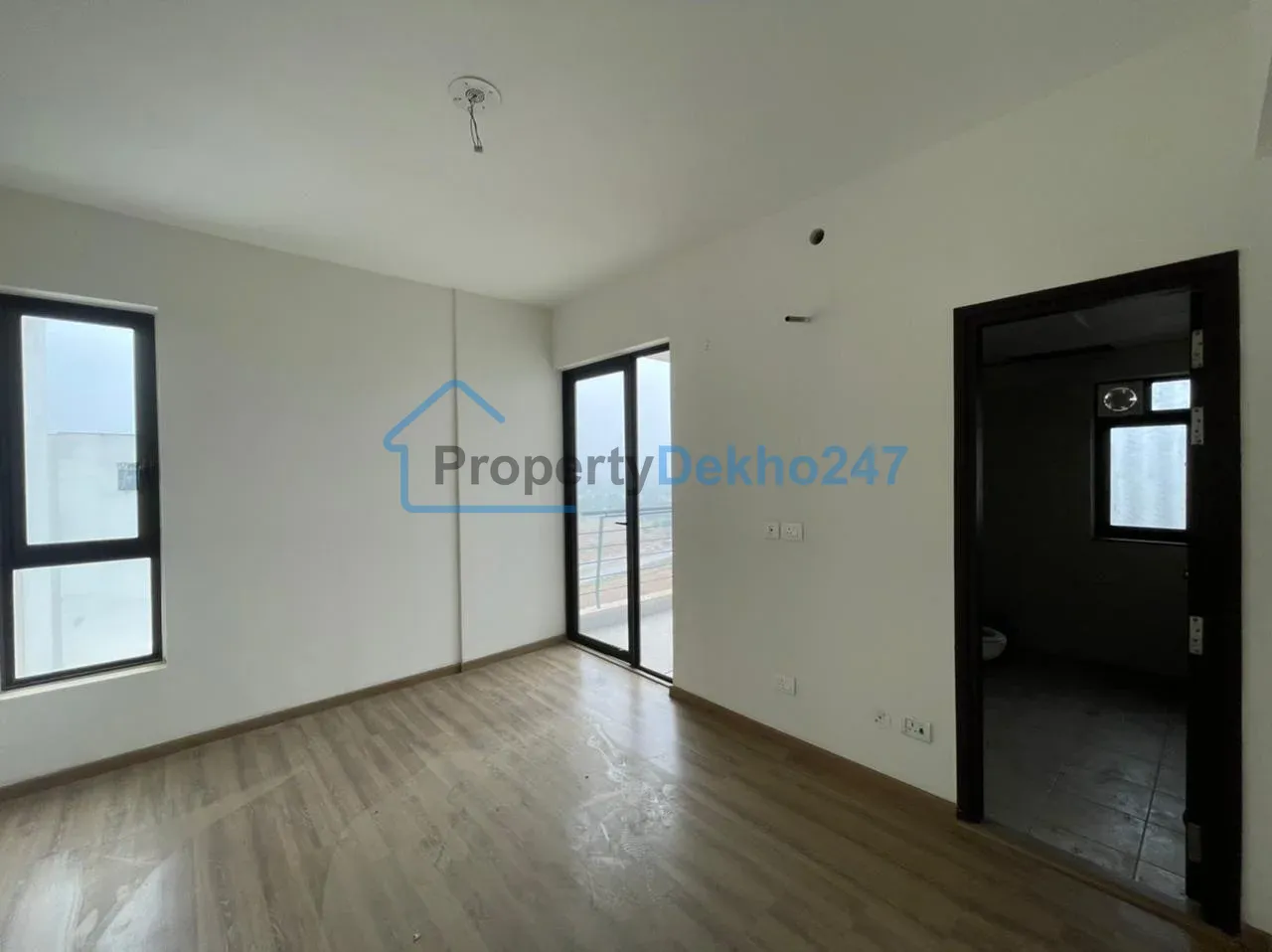

Owner Verified
Godrej Icon
 Exact floor hidden for Owner Privacy.
Status: Ready to move
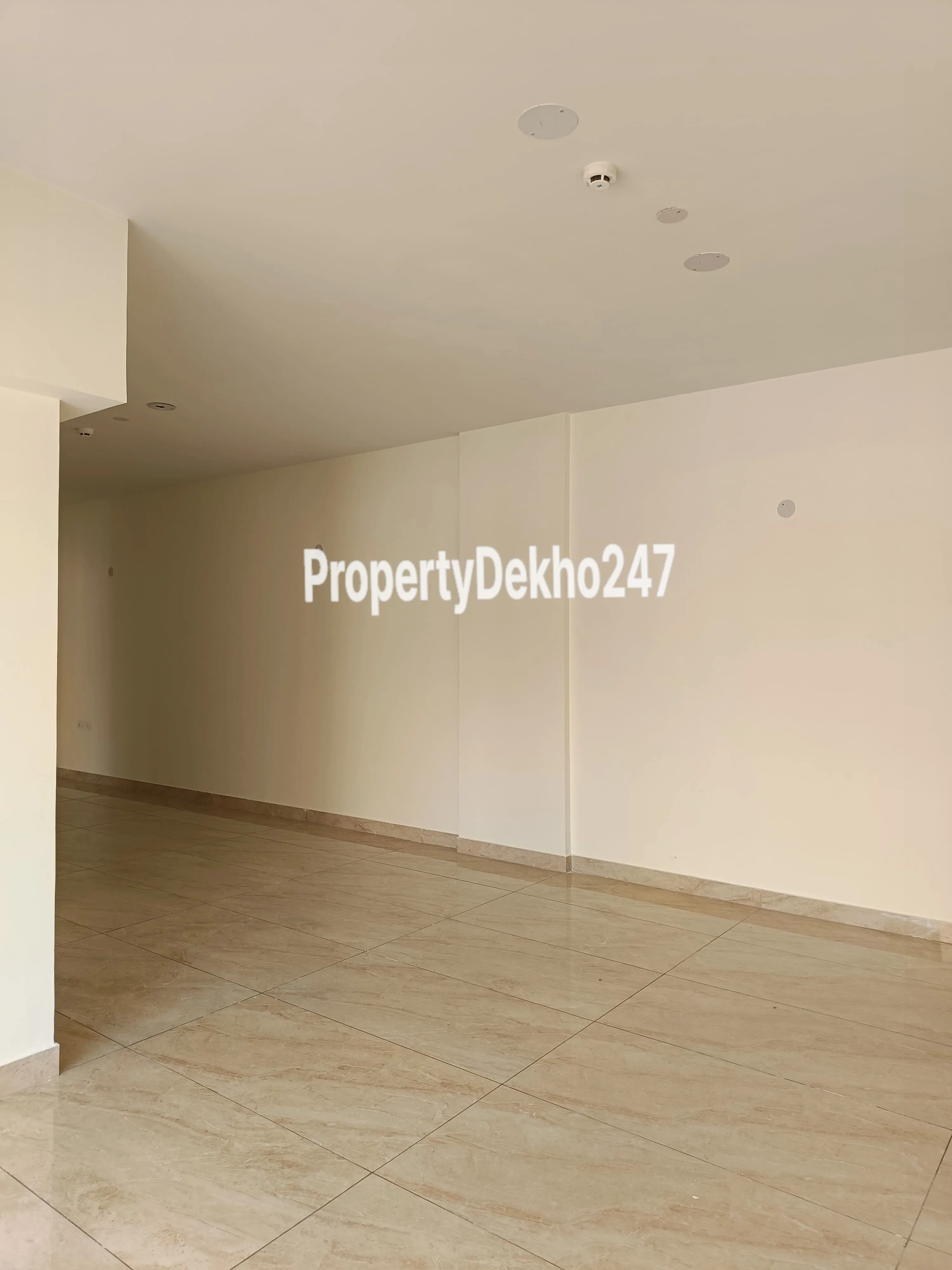
Owner Verified
Emaar Palm Heights
Exact floor hidden for Owner Privacy.Status: Ready to move
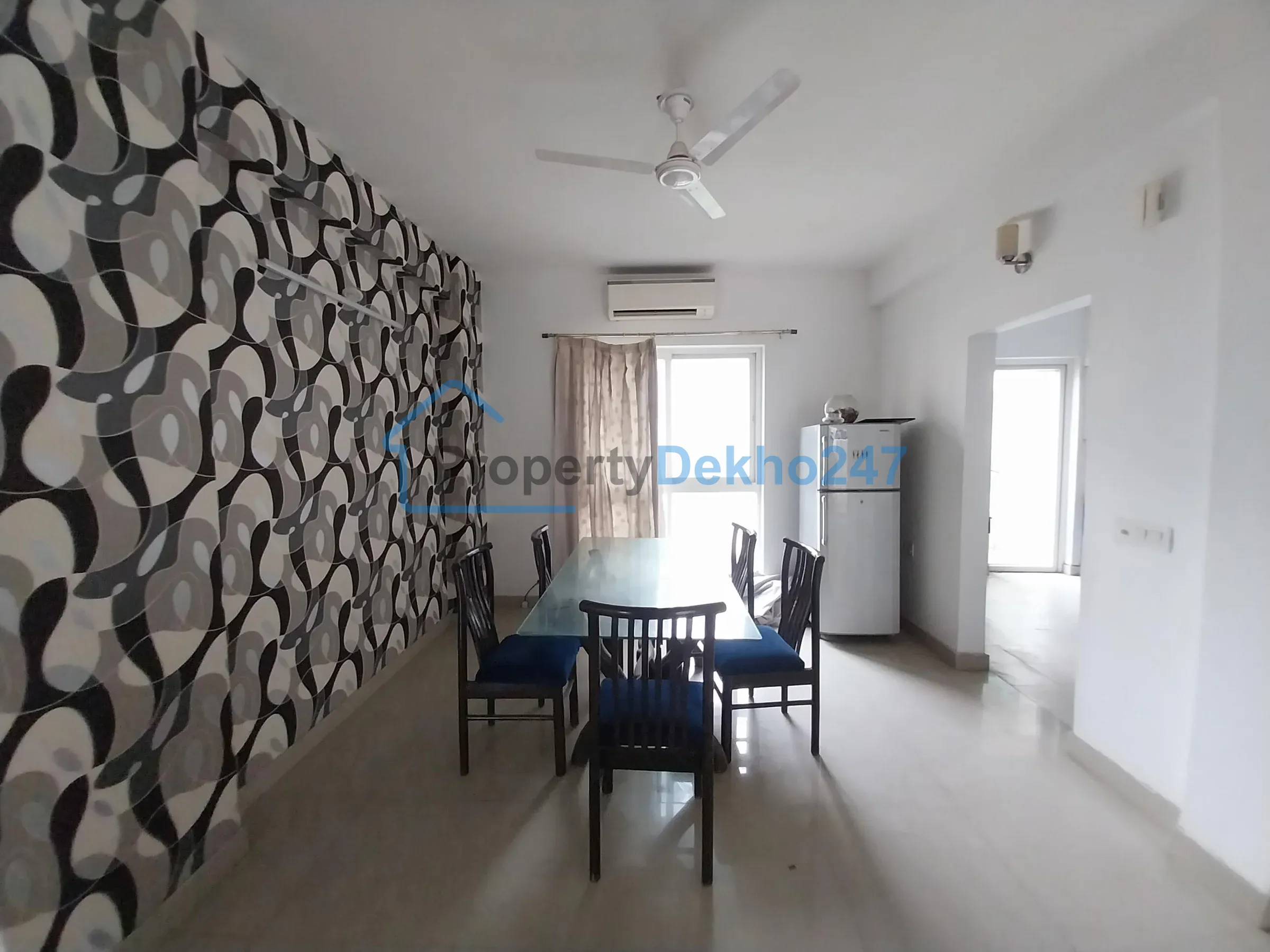
Owner Verified
Mapsko Royale Ville
Exact floor hidden for Owner Privacy.Status: Ready to move
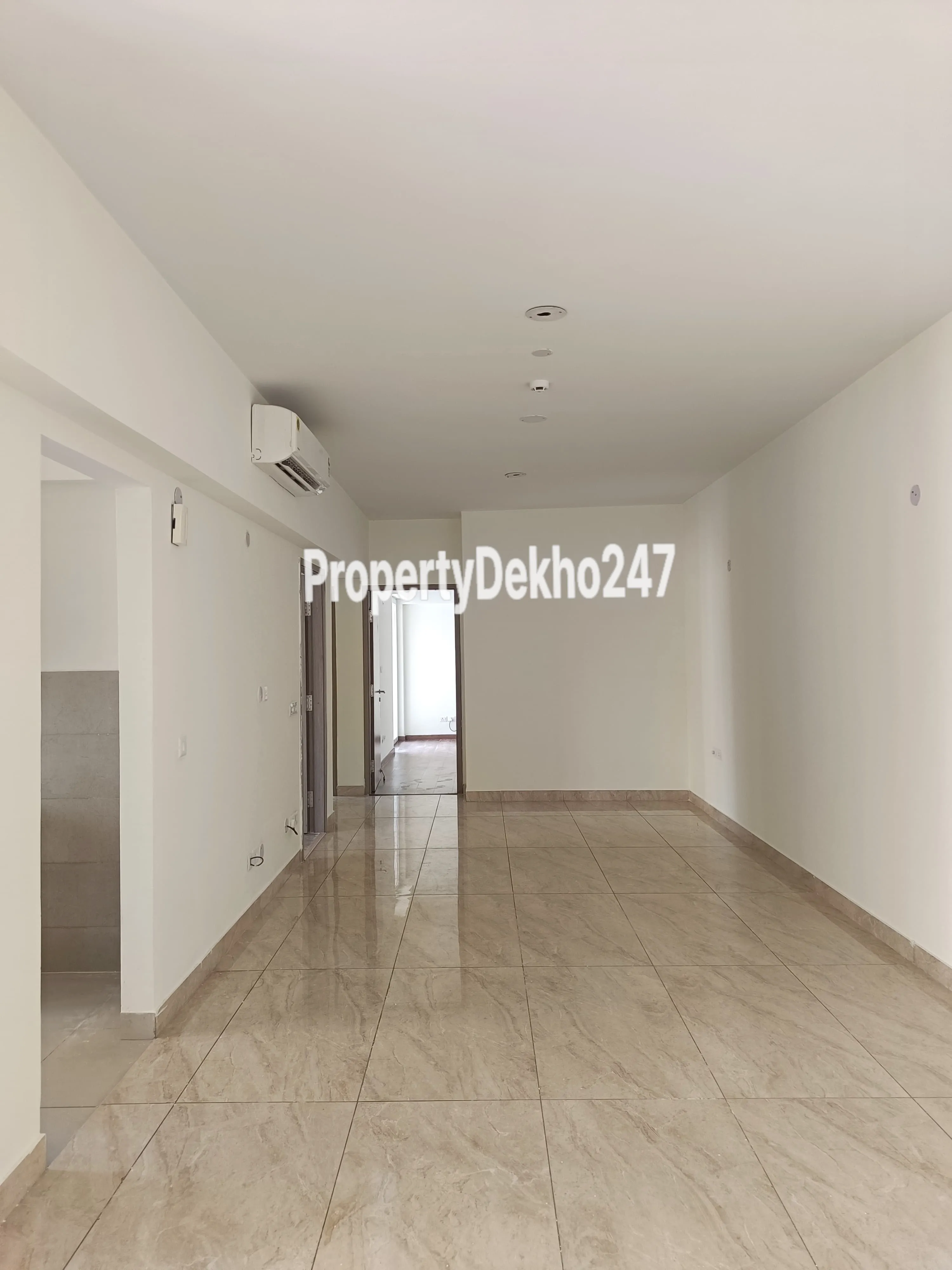
Owner Verified
Emaar Palm Premier
Exact floor hidden for Owner Privacy.Status: Ready to move
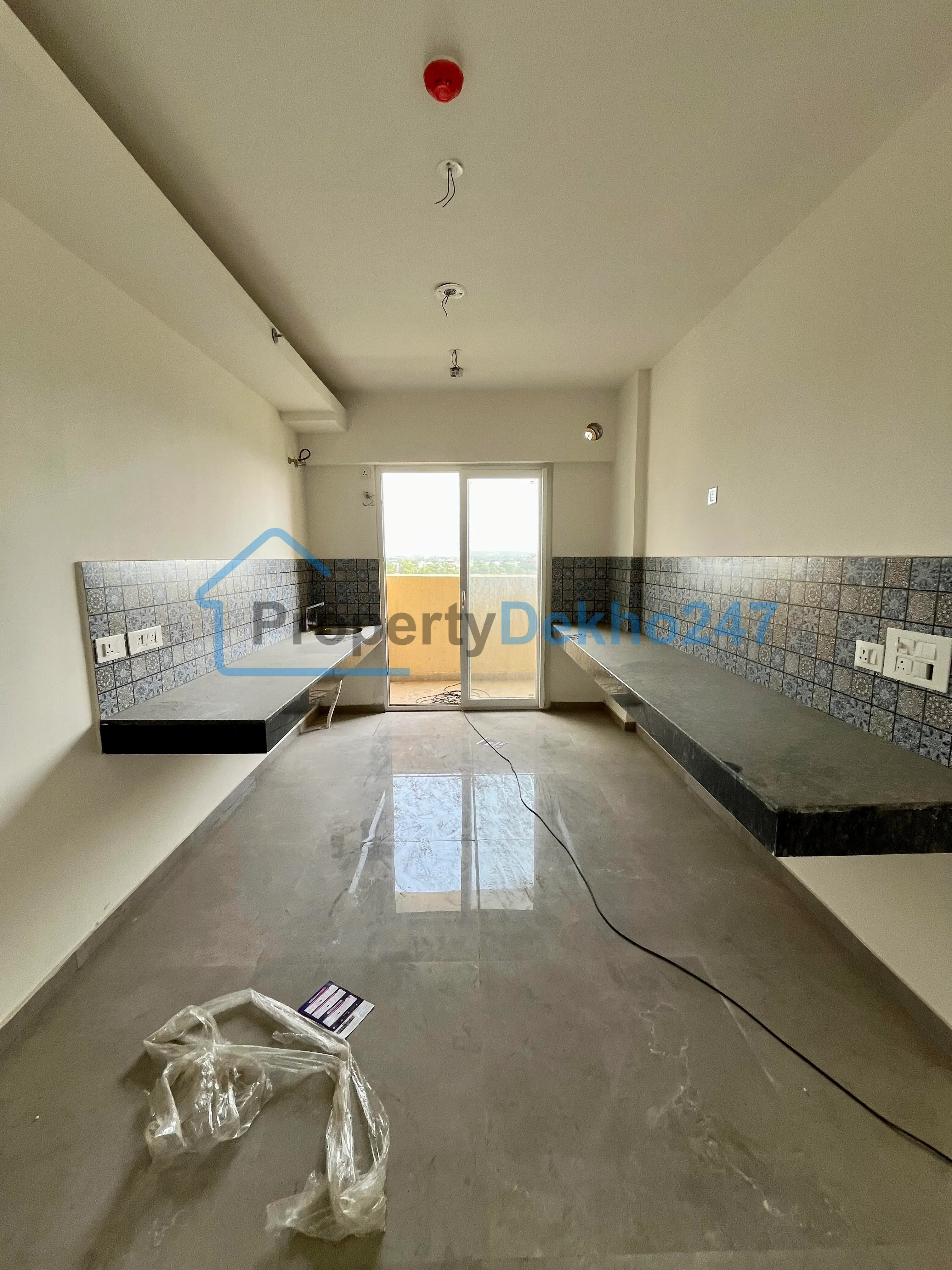
Owner Verified
Tulip Yellow
Exact floor hidden for Owner Privacy.Status: Ready to move
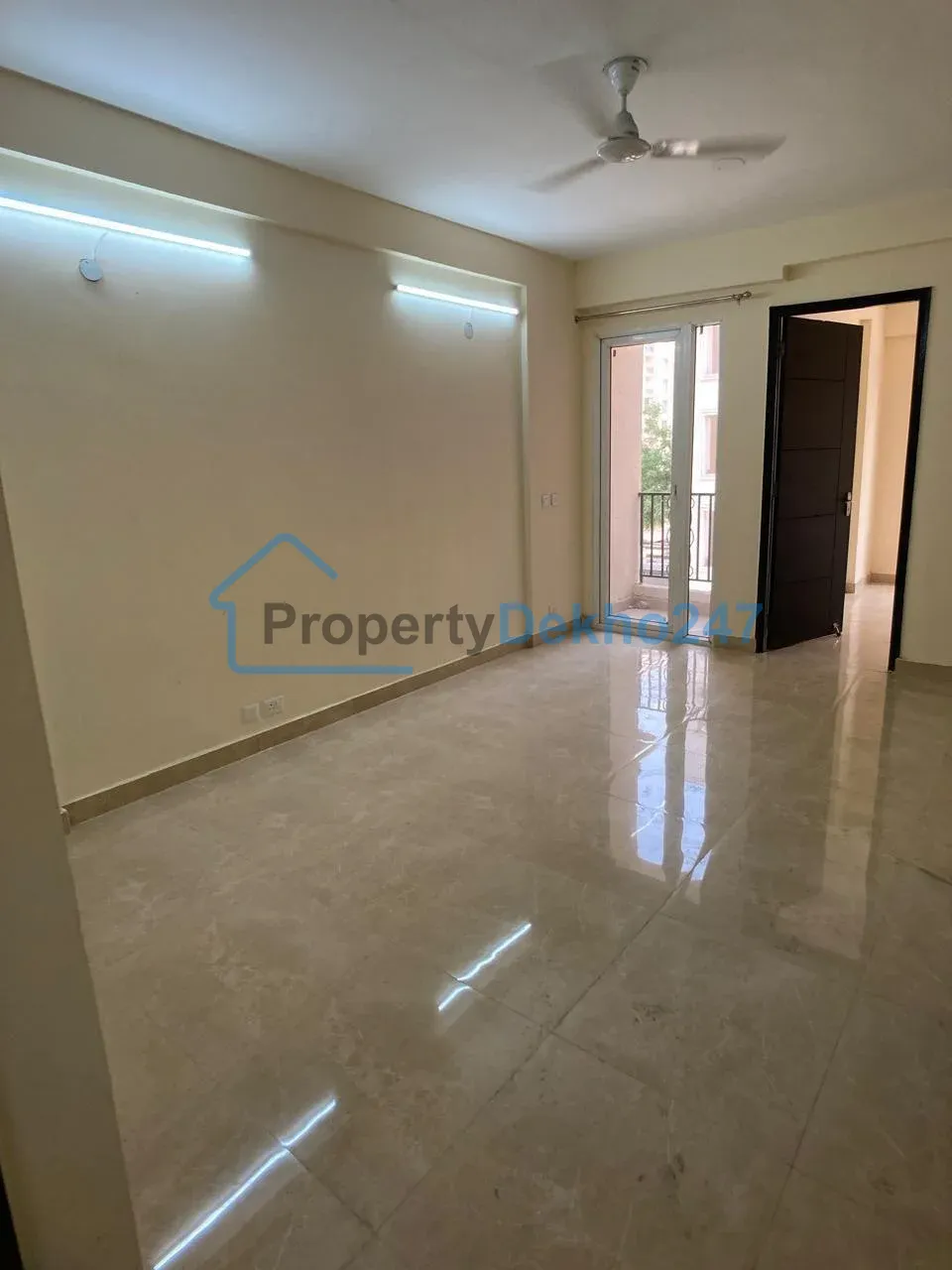
Owner Verified
Signature Global Park
Status: Ready to move
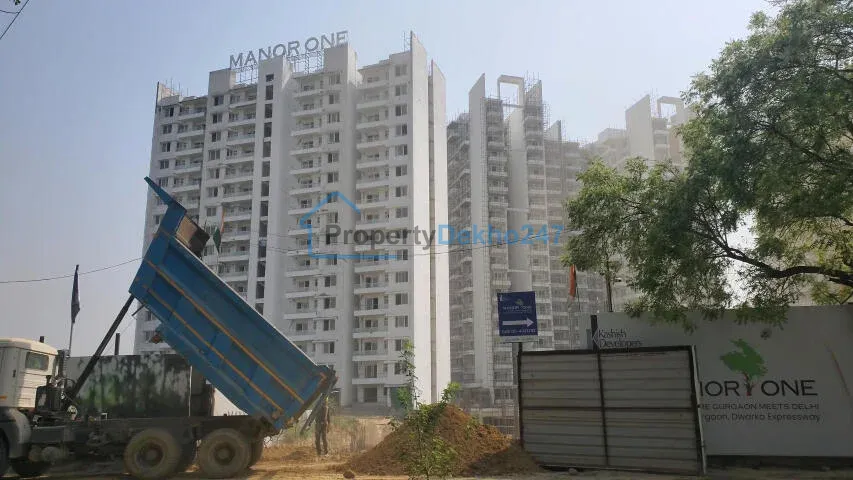
Owner Verified
Kashish Manor One
Exact floor hidden for Owner Privacy.Status: Under Construction
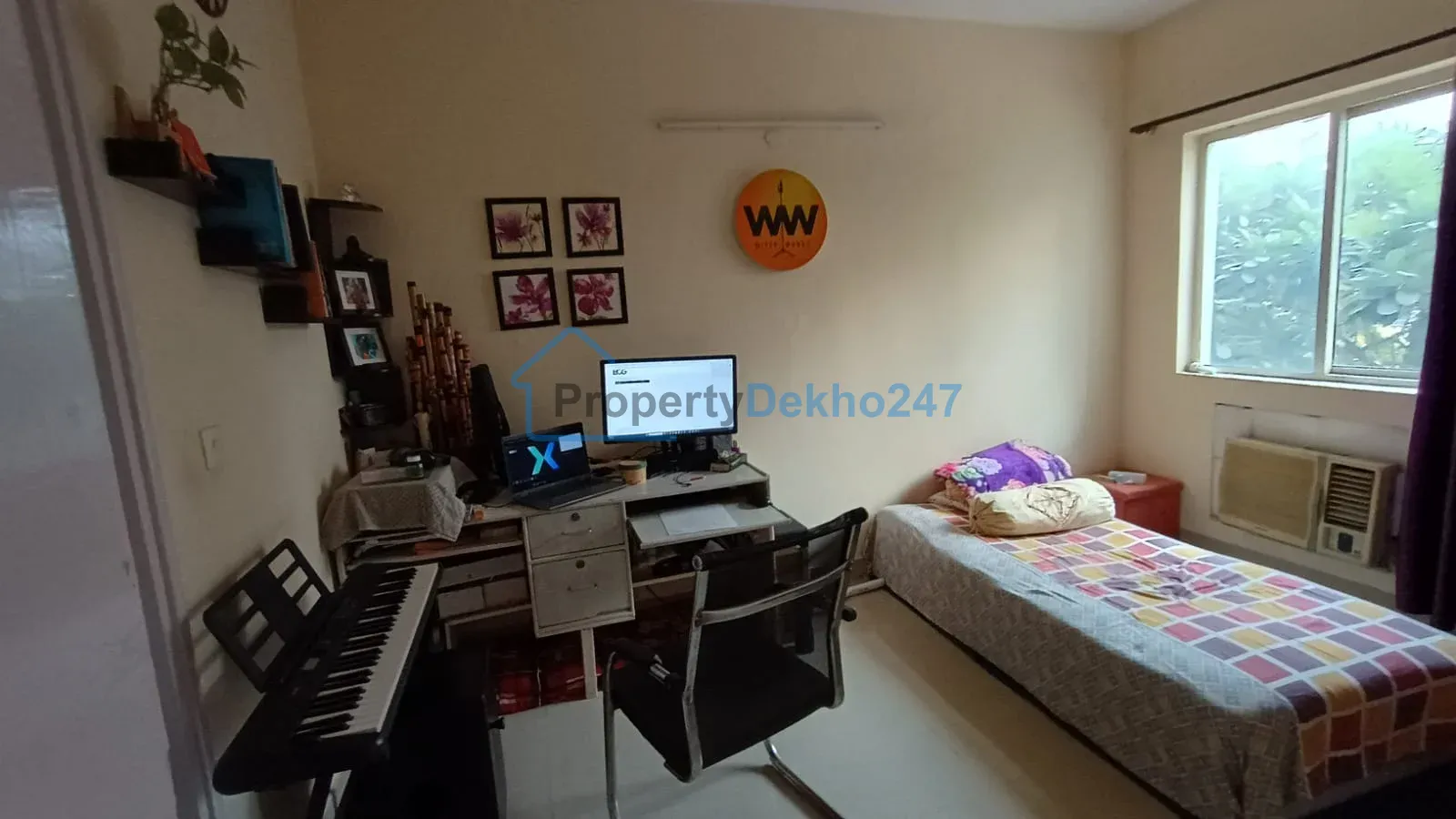
Owner Verified
Sare Homes
Exact floor hidden for Owner Privacy.Status: Ready to move
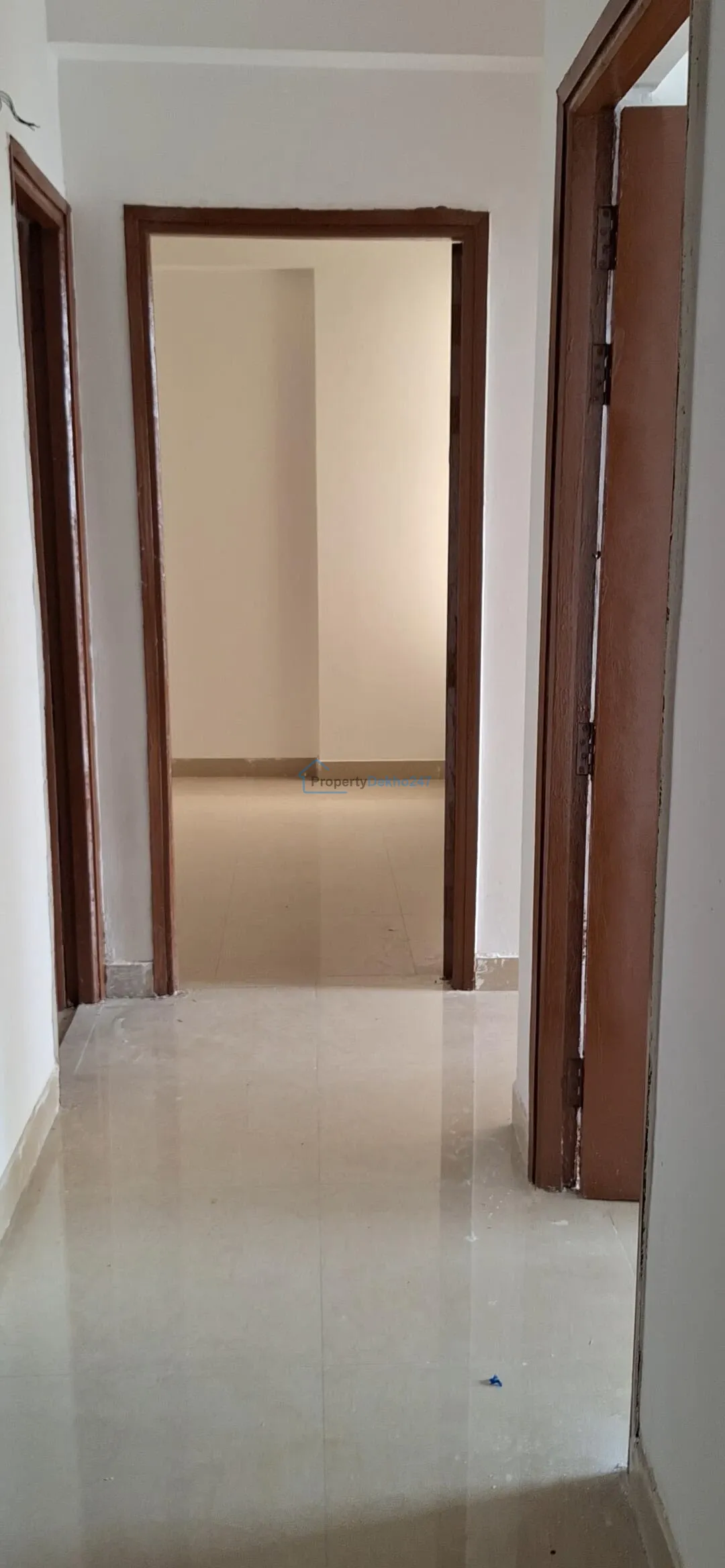
Owner Verified
ROF AMALTAS
Exact floor hidden for Owner Privacy.Status: Ready to move
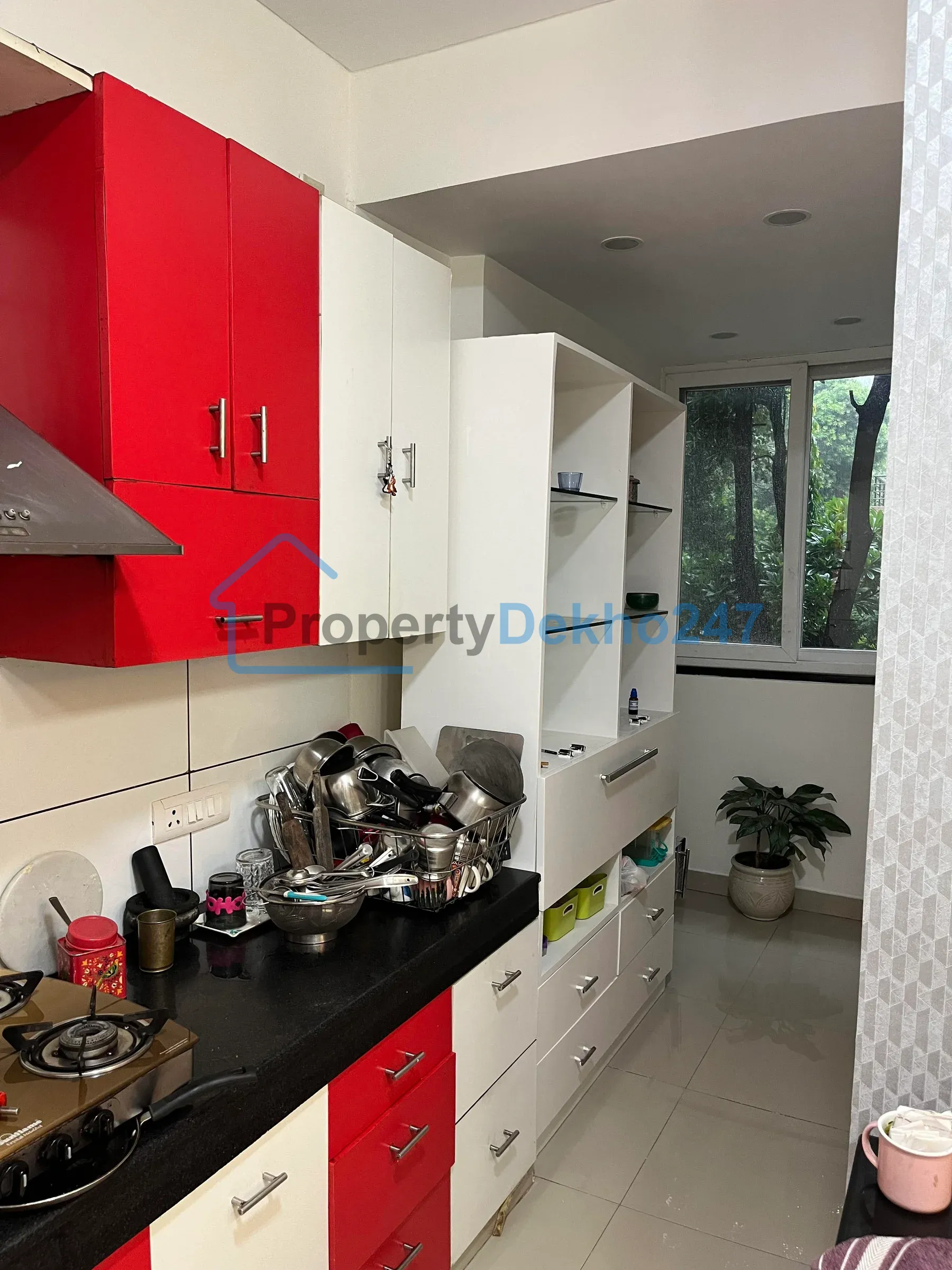
Owner Verified
Unitech Singleton Floors
Status: Ready to move

Owner Verified
Ramprastha Primera
Exact floor hidden for Owner Privacy.Status: Ready to move
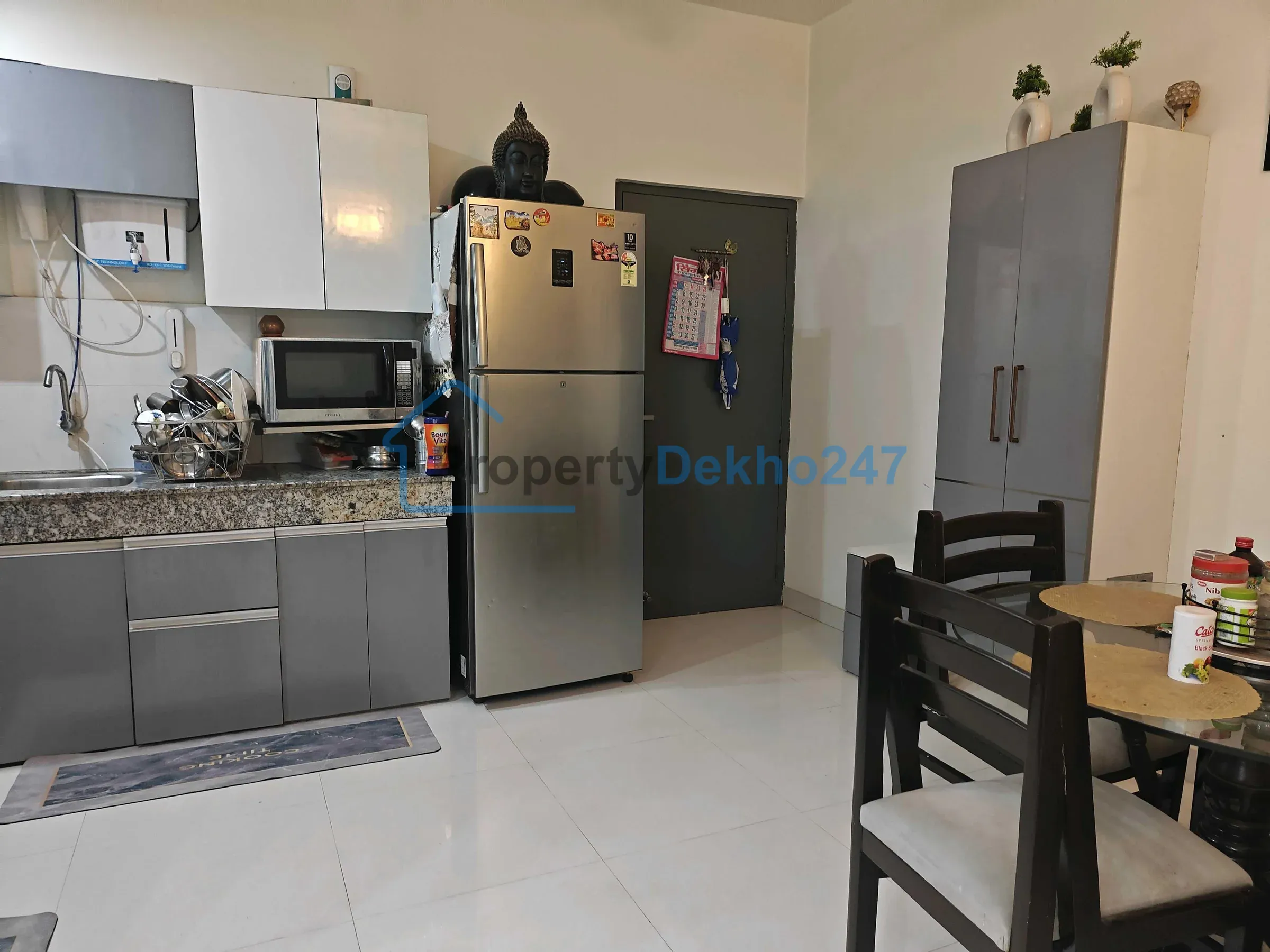
Owner Verified
GLS Avenue 51
Exact floor hidden for Owner Privacy.Status: Ready to move
Related Properties
Owner Verified
Godrej Icon
Exact floor hidden for Owner Privacy.Status: Ready to move
Owner Verified
Emaar Palm Heights
Exact floor hidden for Owner Privacy.Status: Ready to move
Owner Verified
Mapsko Royale Ville
Exact floor hidden for Owner Privacy.Status: Ready to move
Owner Verified
Emaar Palm Premier
Exact floor hidden for Owner Privacy.Status: Ready to move
Owner Verified
Tulip Yellow
Exact floor hidden for Owner Privacy.Status: Ready to move
Owner Verified
Signature Global Park
Status: Ready to move
Owner Verified
Kashish Manor One
Exact floor hidden for Owner Privacy.Status: Under Construction
Owner Verified
Sare Homes
Exact floor hidden for Owner Privacy.Status: Ready to move
Owner Verified
ROF AMALTAS
Exact floor hidden for Owner Privacy.Status: Ready to move
Owner Verified
Unitech Singleton Floors
Status: Ready to move
Owner Verified
Ramprastha Primera
Exact floor hidden for Owner Privacy.Status: Ready to move
Owner Verified
GLS Avenue 51
Exact floor hidden for Owner Privacy.Status: Ready to move