

PAN Required for Property Transactions Above ₹30 Lakh in Haryana From FY 2019-20
The Haryana government has considerably enhanced the norms of compliance in the high value real estate deals, making the submission of PAN to be mandatory in all property registration done above 30 lakh rupee since the fiscal year 2019-20. This order is motivated by issues that are being raised by the Income Tax Department and the direct impact is on buyers, sellers, developers and investors especially in Gurgaon (Gurugram) and Faridabad, which are two of the most active real estate markets in Haryana.The rationale of this policy change is to prevent massive tax evasion and promote the high quality transparency of property registration and proper reporting of high value transactions under the Income Tax Act, 1961.
Why Haryana Introduced PAN as a Mandate on 30 Lakh+ Property Deals
The directive is based on the discovery of a high amount of pendency of PAN data in a number of tehsil offices in the state by the Income Tax Department. Legal requirements did not reflect PAN details of buyers and sellers in registration software in instances where property value was more than 30 lakh rupees.
Key concerns identified:
Unreported transactions of high value properties.
High scale of tax evasion.
Failure to comply with the Section 285BA of the Income Tax Act.
Poor tehsil level monitoring.
In order to fill such gaps, the Revenue and Disaster Management Department, Haryana, gave strict directives to every Deputy Commissioner (DCs).
Government Directive: What Exactly Has Been Ordered
All DCs are required to guarantee the following by the government of Haryana:
Submission of outstanding PAN information immediately.
Checking of old property registration records.
PAN information priority sharing with the income tax department.
Firm control on compliance in tehsil offices.
The order concerns all property deed registrations in the FY 2019-20 to FY 2024-25 with a transaction of more than 30 lakh rupees.This was made a time bound and mandatory compliance through the official communication which was issued by the Financial Commissioner, Sumita Misra.
Tehsils Under the Scanner (Including Gurgaon)
The Income Tax Department found that there was a lot of pendency in the following tehsils:
Ballabhgarh
Tigaon
Dayalpur
Palwal
Kharkhoda
Wazirabad (Gurgaon)
Manesar (Gurgaon)
Farrukhnagar (Gurgaon)
These tehsils recorded particularly bad non compliance in FY 2019-20.
Web-HALRIS and Tehsildars are involved as follows. To make sure that there is no data loss, the consolidated transaction data has already been obtained out of Web‑HALRIS (Haryana Land Record Information System) and distributed among local authorities. Instructions to Tehsildars: Login through CRO (Circle Revenue Officer) account. Determine registrations of property value of above 30 lakh rupees. Check cases of PAN entry not done. Enter and send pending PAN information at once. This, according to senior revenue officials, is being handled as an urgent compliance exercise. 5,000+ Crore Tax Evasion Shock: Wazirabad Survey Findings In 2025, a survey conducted in a tehsil Wazirabad (Gurgaon) revealed the following appalling results: PAN information of buyers and sellers was lacking in registrations. Tax evasion is estimated to have been more than 5,000 crore rupees in a year. The problem was not a local problem. Inquiry further showed that 93 tehsils in 22 districts in Haryana could not enter PAN data into registration software. What the Law Clearly States As per existing norms: The Income Tax Department requires all property transactions which exceed 30 lakh rupees to be reported. Tehsil offices must share: Names of buyers and sellers PAN details Aadhaar card details Mandatory SSFT Requirement In a further effort to deter tax evasion, the Income Tax Department has instructed tehsil offices to receive the Specified Financial transaction Statement (SSFT) of property transactions that are above 30 lakh rupee. Section 285BA(1) of the Income Tax Act, 1961 makes submission mandatory. Failure to submit may draw fines and investigations. Impact on Gurgaon Real Estate Market The direct effect is on Gurgaon which is one of the most expensive and busy property markets in India. For Homebuyers: PAN is mandatory during registration. No scope for undervaluation. More openness and more examination. For Sellers & Investors: The reporting of capital gains becomes inevitable. Non compliance in the past could be subject to notices. Healthier exit and resale ecosystem. For Developers & Brokers: Zero tolerance for data gaps. Improved regulatory credibility. Increased buyer confidence. Why This Move Is Important for Buyers & Investors This reform strengthens: Property transactions transparency. Land records accuracy of data. Tax compliance in Haryana. Gurgaon real estate investor confidence. It also coordinates the real estate ecosystem of Haryana with the national anti evasion and digital governance objectives. Frequently Asked Questions 1.Does Haryana require PAN in purchasing property exceeding 30 lakh? 2. Does this apply to old property registrations? 3. Which areas are most affected? 4. What is SSFT and why is it required? 5. Is it possible to be punished due to non compliance? Conclusion The move by the Haryana government to implement the mandatory use of PANs in property transactions of 30 lakh and above is a decisive move to end tax evasion and enhance transparency, particularly in high value markets like Gurgaon. To the buyers, sellers and investors, this translates to cleaner dealings, tougher paperwork and long term market confidence. Compliance is not a choice anymore and it is mandatory as the authorities increase surveillance.
Yes. Both buyers and sellers are required to file a PAN submission in all property transactions exceeding 30 lakh rupees in FY 2019-20 and onwards.
Yes. The rule is retroactive to 2019-20 through 2024-25 and the outstanding data should be reported.
Gurgaon (Wazirabad, Manesar, Farrukhnagar), Faridabad and Palwal among other identified tehsils.
Under the Income Tax, Section 285BA of the Act the high value transactions are required to be reported in the form of SSFT (Specified Financial Transaction Statement).
Yes. Absence of PAN information and SSFT failure to submit may result in tax audit, imposition of penalties and lawsuits.
Bestech Park View Ananda
 Exact floor hidden for Owner Privacy.
Status: Ready to move
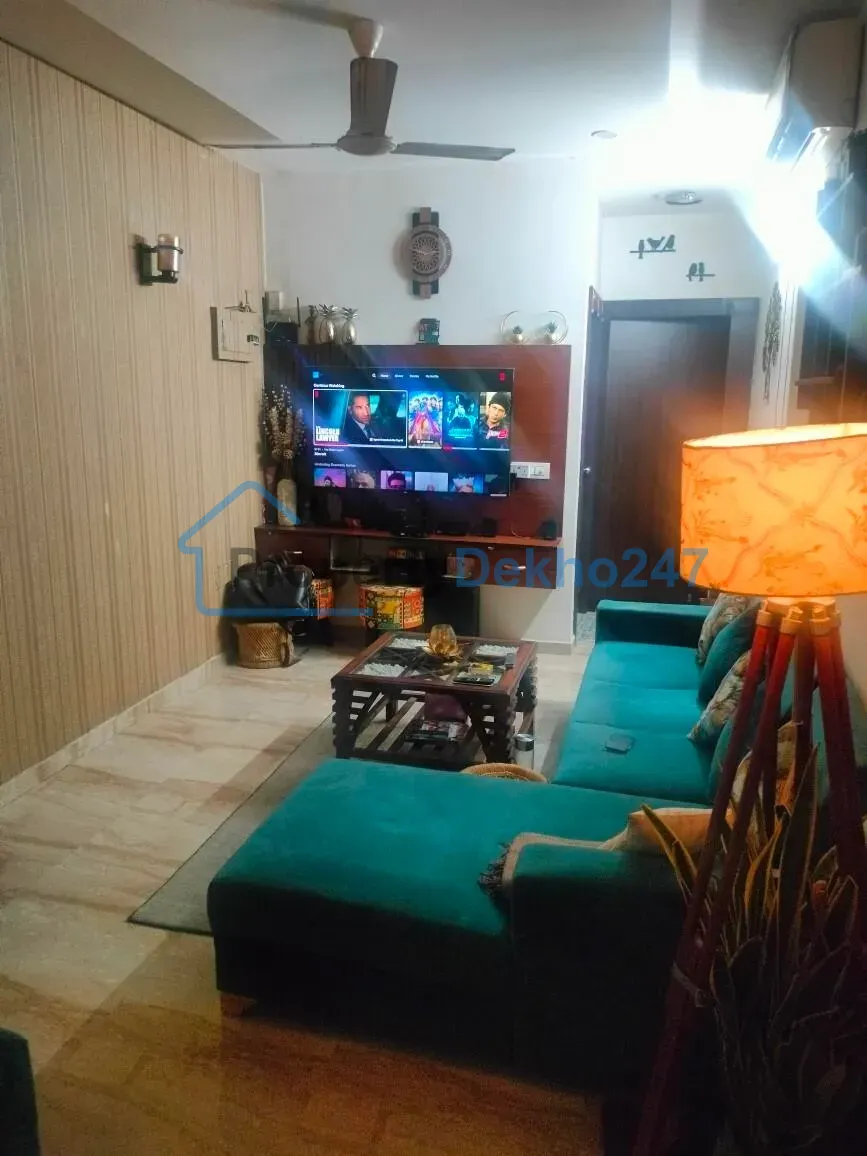

Owner Verified
Pivotal Devaan
Exact floor hidden for Owner Privacy.Status: Ready to move
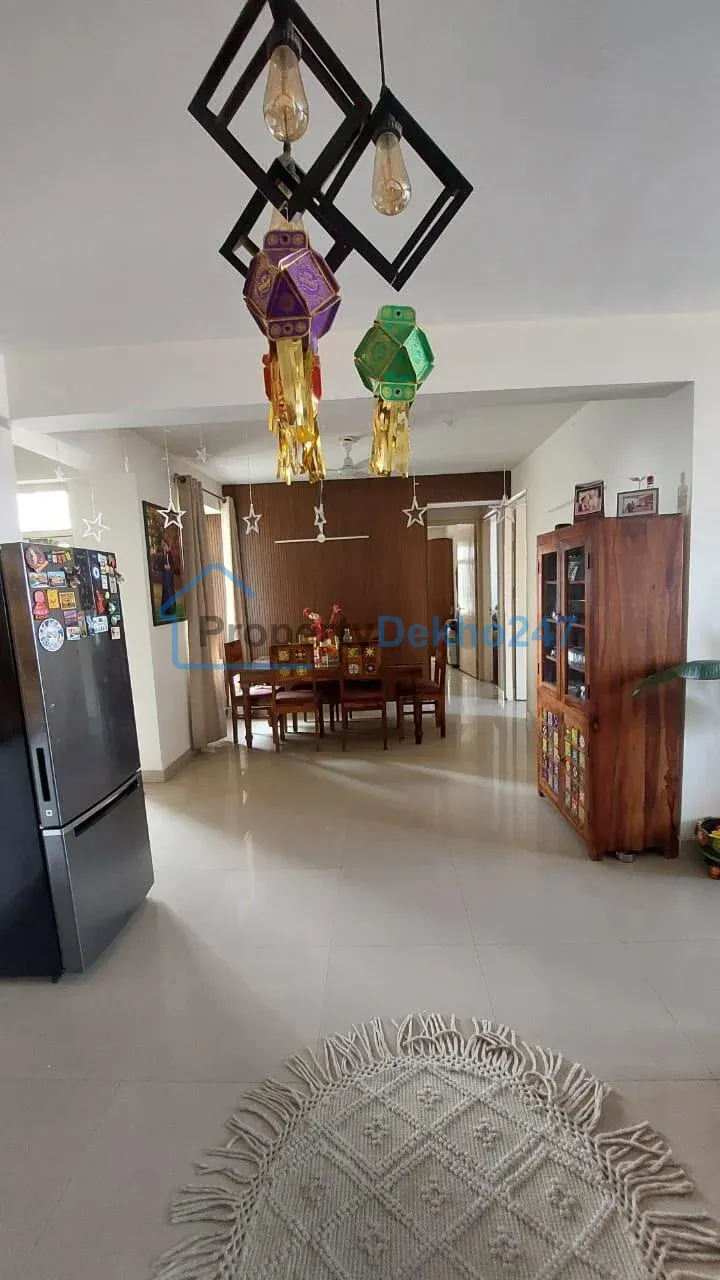
Owner Verified
Shree Vardhman Flora
Exact floor hidden for Owner Privacy.Status: Ready to move
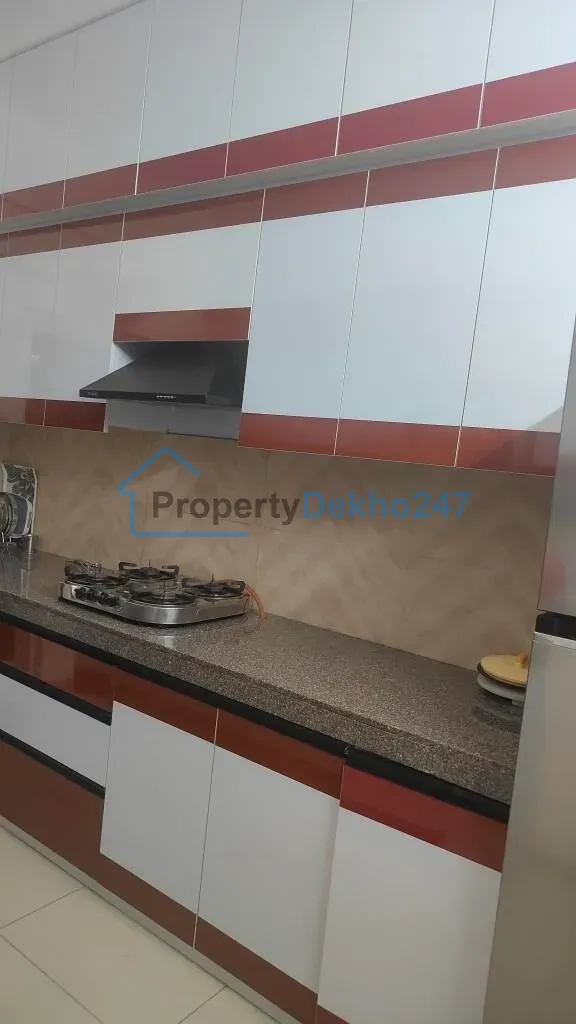
Owner Verified
Vatika Xpressions
Status: Ready to move
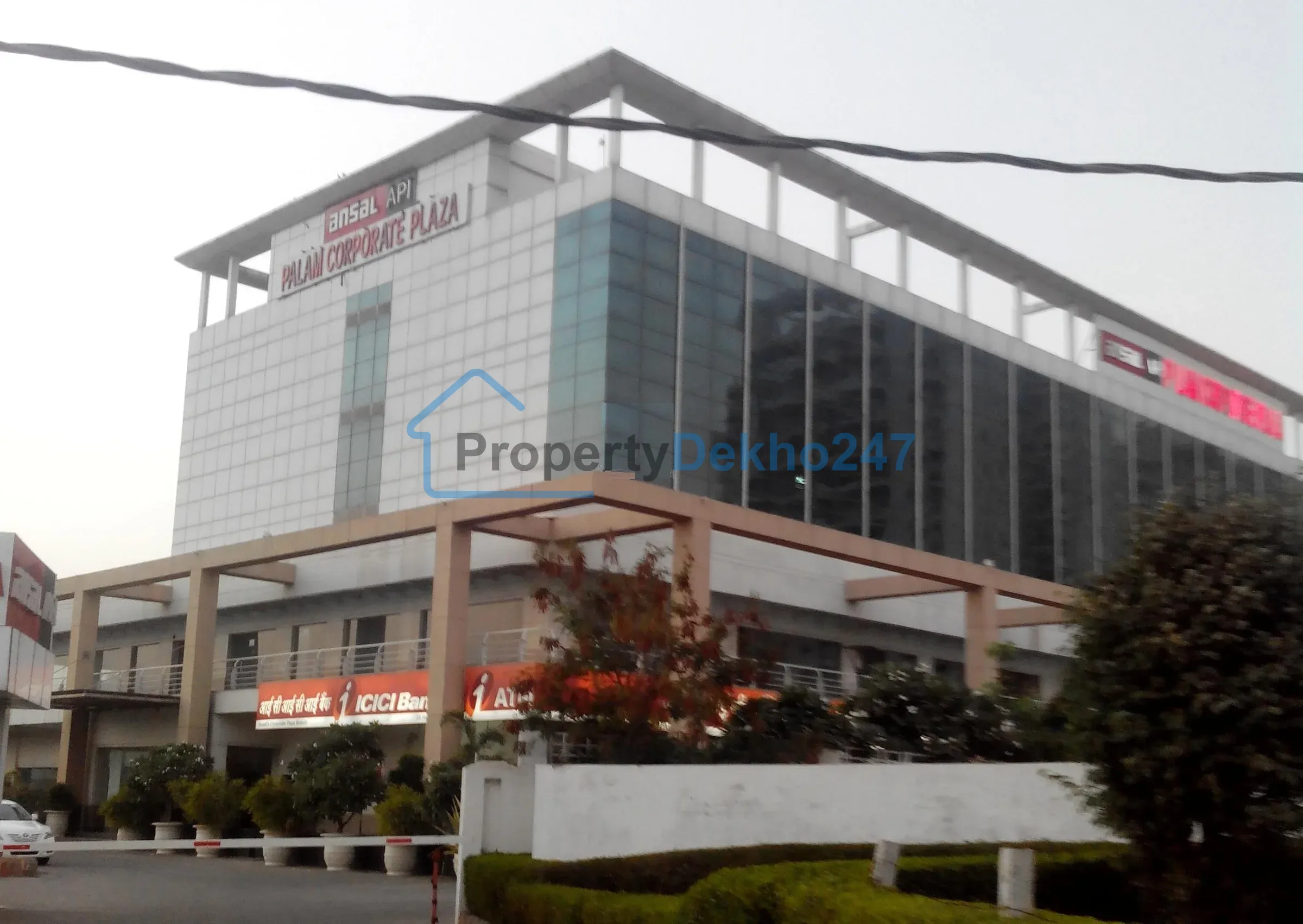
Owner Verified
Ansal Palam Corporate Plaza
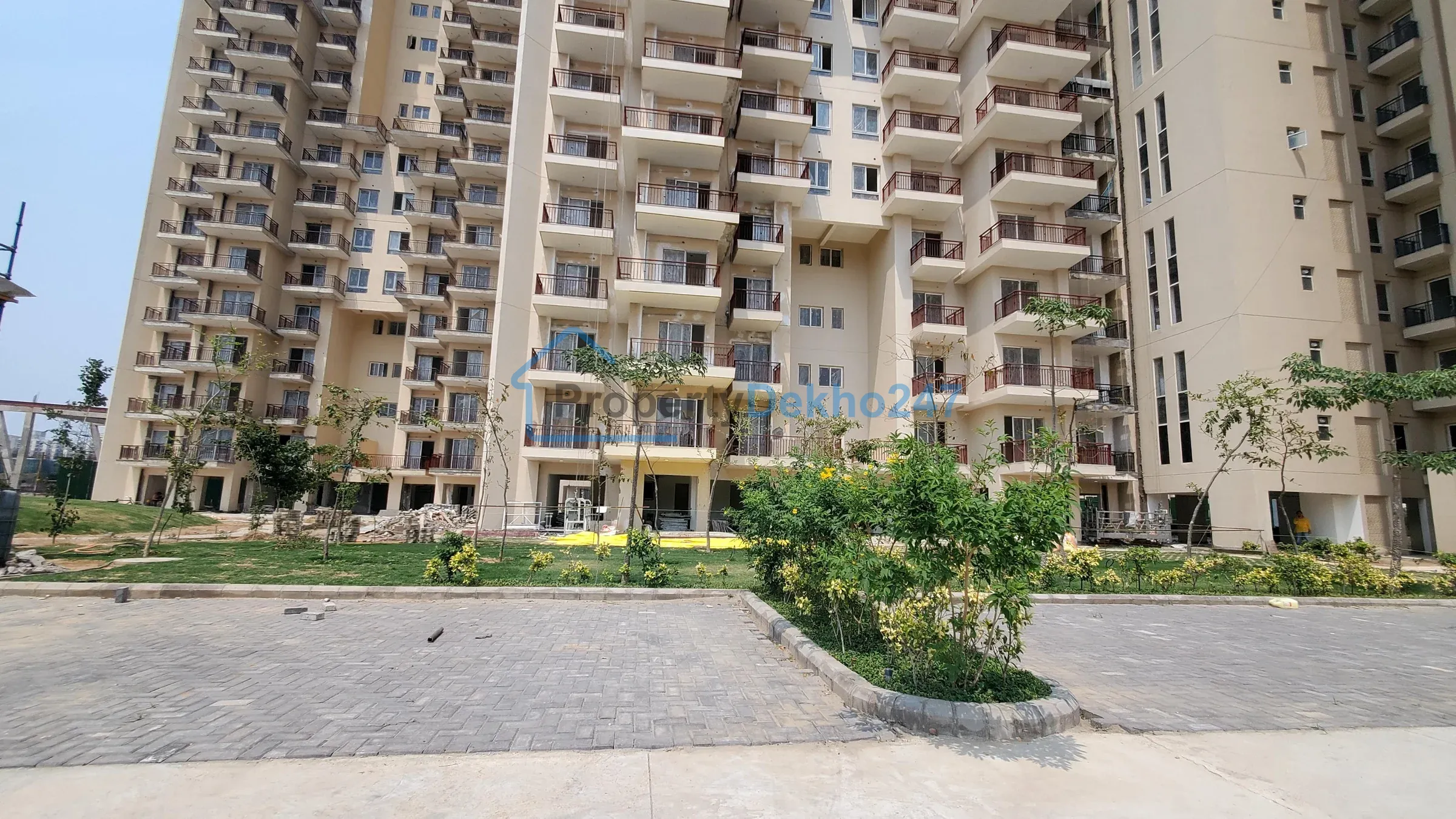
Owner Verified
Godrej Nature Plus
Exact floor hidden for Owner Privacy.Status: Under Construction
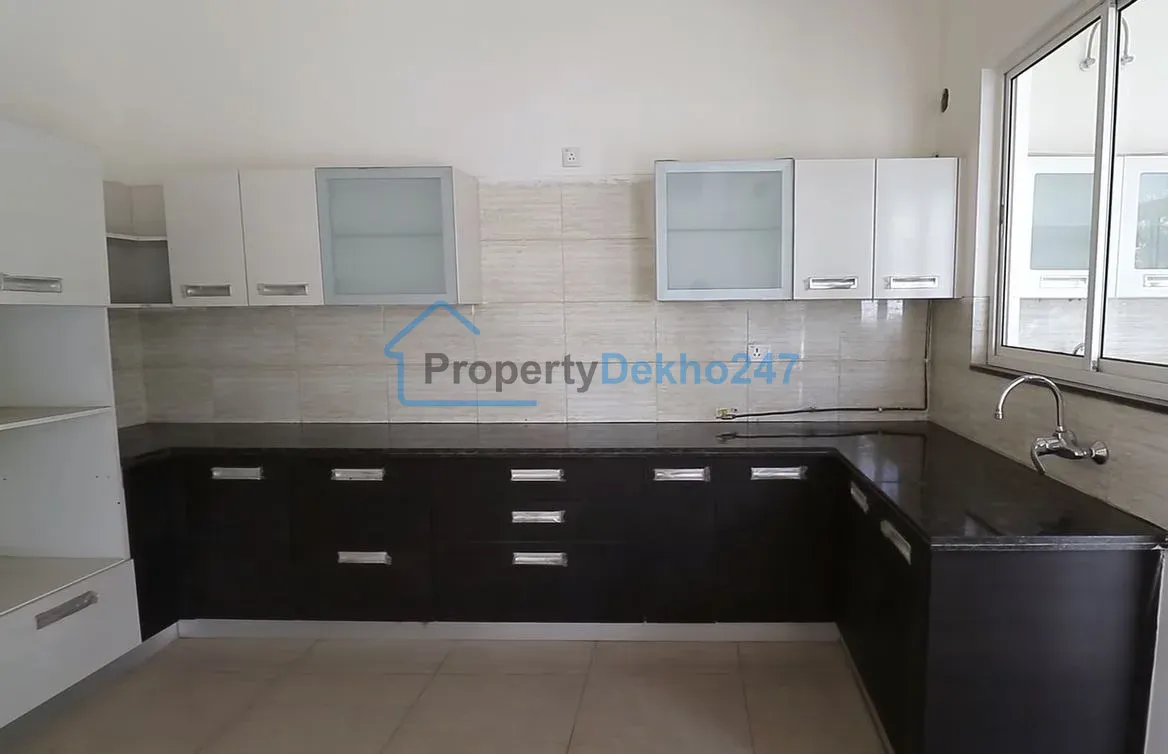
Owner Verified
Bestech Park View Ananda
Exact floor hidden for Owner Privacy.Status: Ready to move
Owner Verified
Vatika Independent Floors
Status: Ready to move
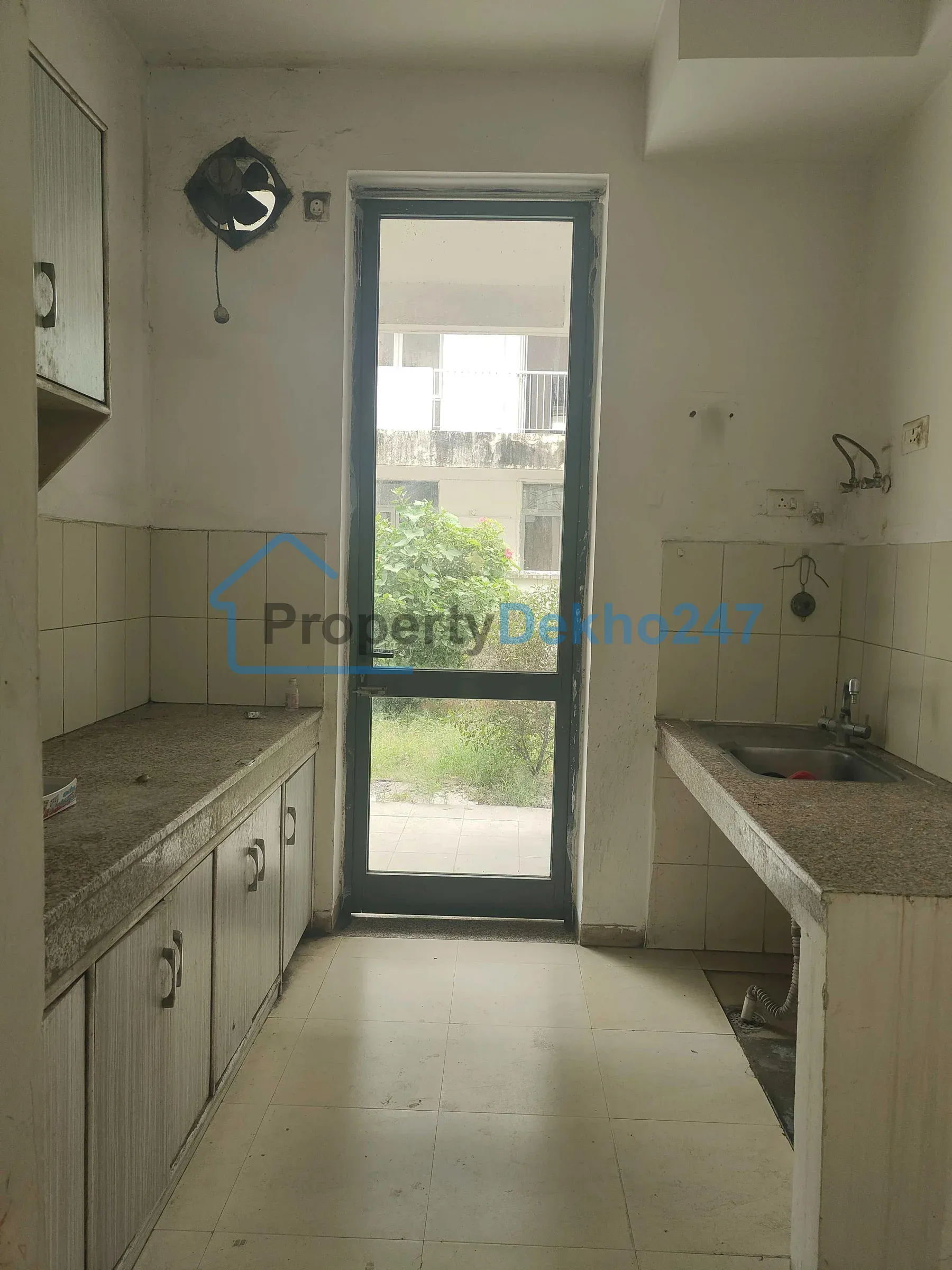
Owner Verified
Vatika Primrose Floor
Status: Ready to move

Owner Verified
DLF Westend Heights
Exact floor hidden for Owner Privacy.Status: Ready to move
Owner Verified
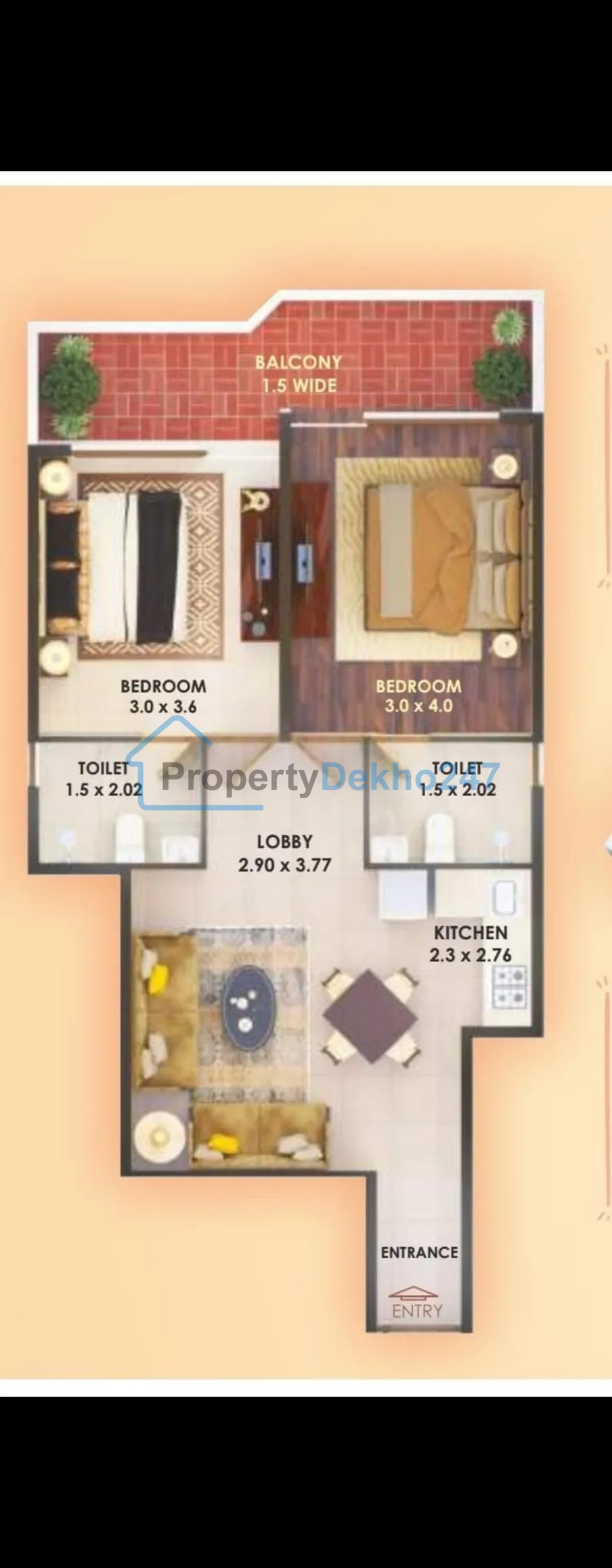
Alpha Corp GurgaonOne 84
Exact floor hidden for Owner Privacy.Status: Ready to move
Owner Verified
Pyramid Elite
Exact floor hidden for Owner Privacy.Status: Ready to move
Related Properties
Bestech Park View Ananda
Exact floor hidden for Owner Privacy.Status: Ready to move
Owner Verified
Pivotal Devaan
Exact floor hidden for Owner Privacy.Status: Ready to move
Owner Verified
Shree Vardhman Flora
Exact floor hidden for Owner Privacy.Status: Ready to move
Owner Verified
Vatika Xpressions
Status: Ready to move
Owner Verified
Ansal Palam Corporate Plaza
Owner Verified
Godrej Nature Plus
Exact floor hidden for Owner Privacy.Status: Under Construction
Owner Verified
Bestech Park View Ananda
Exact floor hidden for Owner Privacy.Status: Ready to move
Owner Verified
Vatika Independent Floors
Status: Ready to move
Owner Verified
Vatika Primrose Floor
Status: Ready to move
Owner Verified
DLF Westend Heights
Exact floor hidden for Owner Privacy.Status: Ready to move
Owner Verified
Alpha Corp GurgaonOne 84
Exact floor hidden for Owner Privacy.Status: Ready to move
Owner Verified
Pyramid Elite
Exact floor hidden for Owner Privacy.Status: Ready to move