
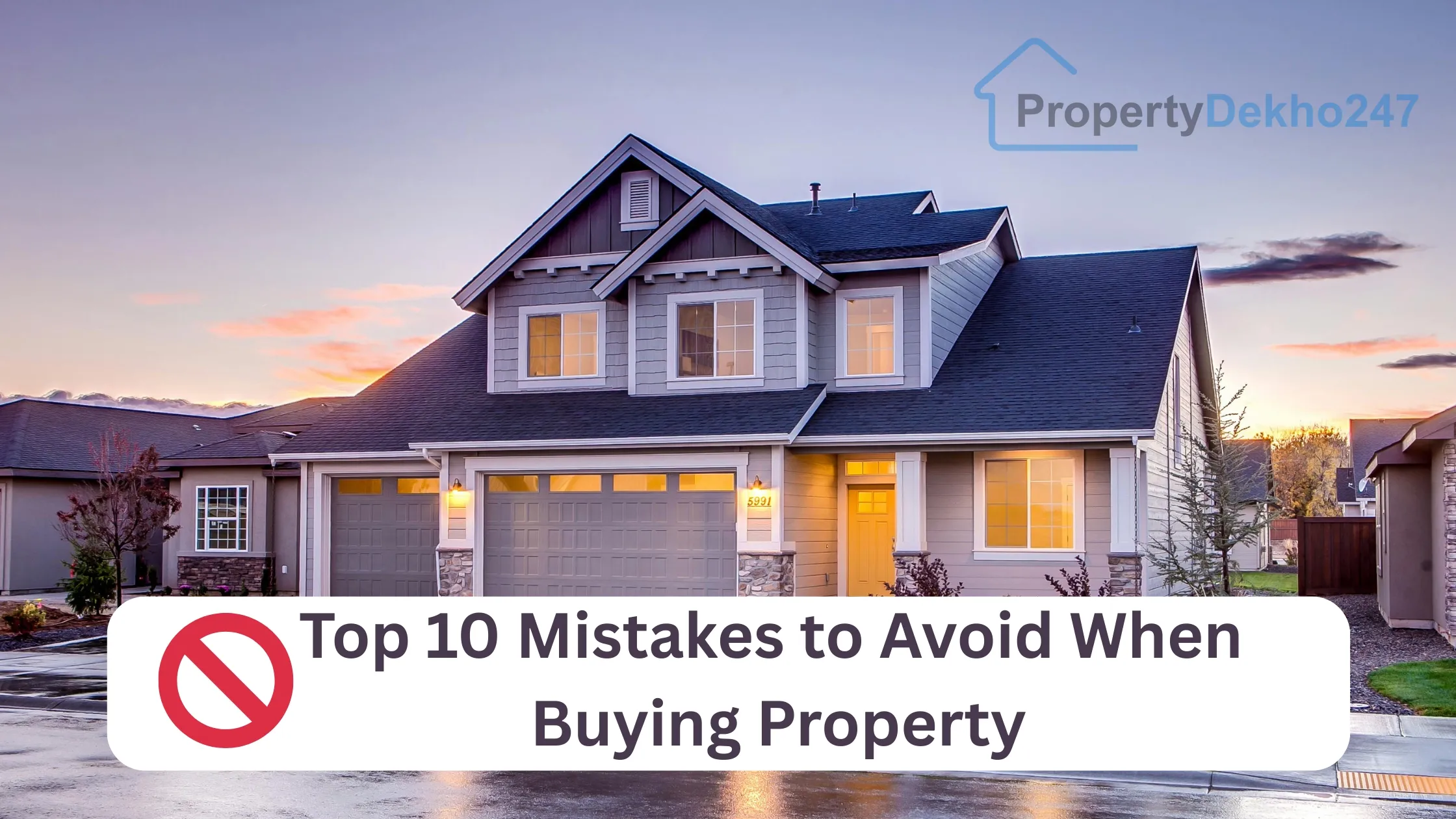
Top 10 Mistakes to Avoid When Buying Property | Easy Guide 2025
Buying a property is one of the most important decisions in a person’s life. Whether it’s your first home, a shop, or a piece of land, it’s a big step that requires both money and smart thinking. Many people dream of owning property, but in that excitement, they make mistakes that can cause stress or financial loss later.
To help you make a smart decision, here are the top 10 common mistakes to avoid when buying property
1. Not Checking the Property Documents Properly
One of the biggest mistakes people make is not checking the property documents carefully. Sometimes, buyers trust the seller or builder and skip verifying ownership papers. This can lead to legal troubles later if someone else claims ownership of the property.
What you should do:
Always ask for the Title Deed to prove who owns the property.
Check the Sale Deed and Property Tax Receipts.
Make sure there are no unpaid loans or disputes on the property.
Visit the local land office or hire a lawyer to verify the documents.
Tip: Never finalize a deal without checking the property’s legal background. It’s better to spend a little on legal help now than to face big problems later.
2. Ignoring the Location and Neighbourhood
You may find a property that looks great and has a good price, but the location is just as important as the property itself. A bad location can affect your daily life and the property’s future value.
Things to check before buying:
Is the area safe and clean?
Are schools, hospitals, and markets nearby?
Is public transport easily available?
Is the property connected to main roads?
Why it matters:
Even if a home is beautiful inside, if the location is poor, it may not be a good investment. Good location = good lifestyle + higher resale value.
Tip: Visit the area at different times of the day to understand traffic, noise, and surroundings.
3. Not Checking the Builder’s Reputation
If you are buying a flat or commercial space from a builder, don’t make the mistake of trusting blindly. Some builders delay projects, change layouts, or deliver poor quality work.
Before you buy, check:
The builder’s previous completed projects.
Online reviews and ratings.
Whether the project is registered under RERA (Real Estate Regulatory Authority).
Delivery record have they delivered projects on time?
Why it matters:
A reputed builder means safety, trust, and timely delivery.
Tip: Always go for a trusted and RERA approved builder to stay safe.
4. Forgetting to Check Legal Approvals
A property must have all the necessary government approvals and NOCs (No Objection Certificates). Buying a property without them can lead to legal action or even demolition.
Important approvals to check:
RERA registration number (for new projects).
Building plan approval from local authorities.
Occupancy Certificate (OC) or Completion Certificate (CC).
Environmental clearance (for large projects).
Tip: Ask the builder or seller for copies of these documents. If they refuse, that’s a red flag.
5. Not Planning the Budget Properly
Many buyers only consider the property’s base price and forget other expenses. This can lead to financial stress later.
Hidden costs you should plan for:
Stamp duty and registration fees.
Maintenance charges.
Society or club fees.
Electricity, water, and parking charges.
Home loan processing fees.
Example:
If your property costs ₹50 lakh, the total expense might go up to ₹55–57 lakh after adding all extra costs.
Tip: Always make a detailed budget that includes all expenses before you start looking for properties.
6. Skipping the Site Visit
One of the simplest but most common mistakes people buy property by just seeing pictures or videos online. Photos can be edited, and what you see may not match reality.
Why a site visit is important:
You can check construction quality.
You can see the surroundings and roads.
You can verify if the builder is actually working on site.
You can talk to neighbors or workers for real feedback.
Tip: Always visit the site at least once before making any payment. It gives you real confidence.
7. Ignoring Future Needs
People often buy homes based on current needs, but forget to think about the future. Later, they realize the home is too small, or not suitable as their family grows.
How to plan ahead:
Think about your family’s future size.
Check if nearby schools or colleges are available.
Consider if the property will still meet your needs after 5–10 years.
Tip: Buy a property that gives you space to grow, not just fit your current life.
8. Not Comparing Multiple Options
Some buyers get emotional and finalize the first property they like. But smart buyers compare several options before deciding.
Why comparison helps:
You understand market rates.
You may find a better deal nearby.
You can compare amenities, location, and builder offers.
Tip: Visit at least 3–5 properties and take notes. Later, compare price, quality, and location before choosing.
9. Relying Only on Verbal Promises
Many people believe what the builder or agent says, but don’t check if it’s written in the agreement. Later, they find missing features or delayed possession.
What to do:
Always get promises written in the sale agreement.
Check possession date, amenities, and payment plan in writing.
Don’t sign anything without reading carefully.
Tip: If something is not written, it doesn’t count. Verbal promises can’t be proven legally.
10. Not Taking Professional Help
Some people try to manage everything themselves from checking papers to handling registration. But real estate deals can be complicated.
Who can help you:
A real estate consultant can help you find good properties.
A lawyer can verify documents and check legality.
A chartered accountant can advise you on tax and payment.
Tip: Getting expert help can save you money, time, and stress.
Final Thoughts
Buying a property is a dream for many people, but it’s also a huge responsibility. By avoiding these 10 common mistakes, you can make your buying journey smooth, safe, and successful.
Let’s quickly recap.
Check all property papers.
Verify builder and project approvals.
Visit the site in person.
Plan your budget wisely.
Always think long term and take expert help.
A little care today can protect your dream tomorrow. Make smart choices, stay informed, and buy property with confidence!
Frequently Asked Questions (FAQs)
1. What should I check before buying a property?
Always check the ownership papers, RERA registration, and legal approvals like the title deed, sale deed, and occupancy certificate. Make sure the property is free from disputes or loans before you buy it.
2. Why is location so important when buying a property?
A good location means better safety, transport, and higher resale value. Even if the property looks perfect, avoid areas that are far from schools, hospitals, or main roads. Location affects both your comfort and investment return.
3. What are the hidden costs when buying a home?
Many people forget about extra charges like stamp duty, registration fees, maintenance, parking, and taxes. These can add up to 10–15% of the total cost, so plan your budget carefully.
4. How can I check if the builder is trustworthy?
Check the builder’s past projects, delivery record, and RERA registration. A good builder delivers projects on time and follows legal rules. You can also read online reviews before deciding.
5. Is it better to buy under construction or ready to move property?
Both have benefits under construction; homes are cheaper, but you must wait for possession. Ready to move homes cost more but offer instant possession and less risk. Choose based on your need and budget.
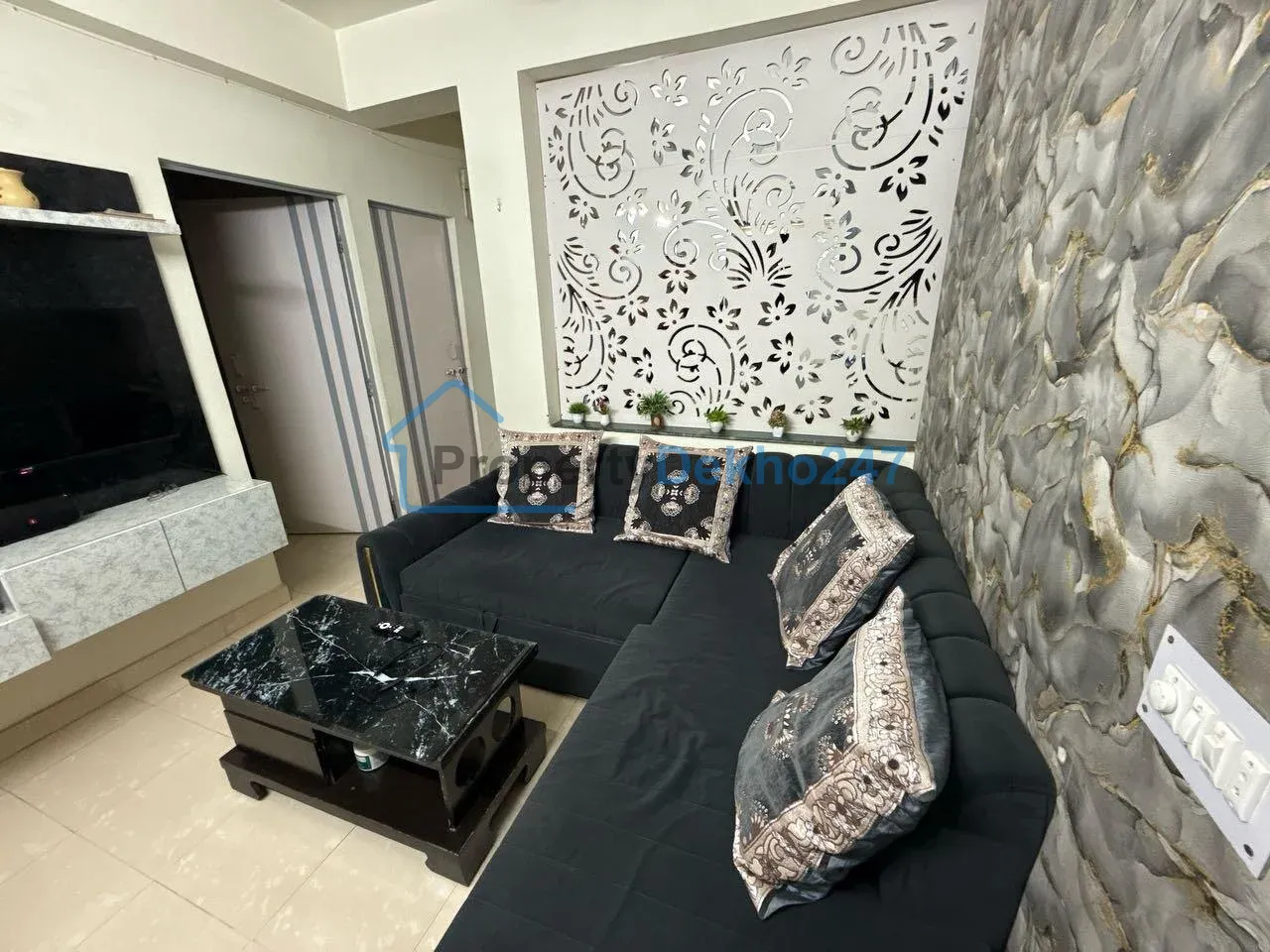

Owner Verified
Conscient Habitat
 Exact floor hidden for Owner Privacy.
Status: Ready to move
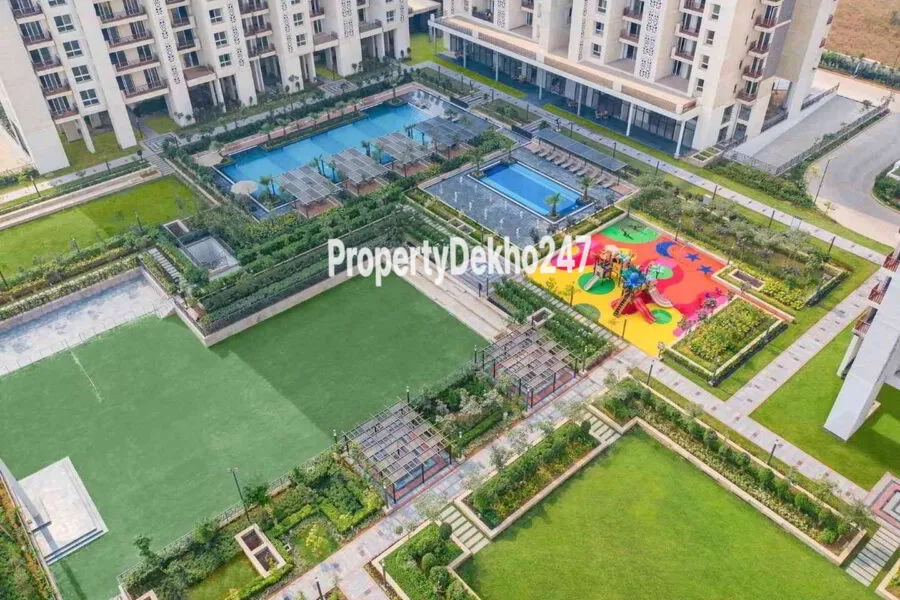
Owner Verified
Mapsko Mount Ville
Exact floor hidden for Owner Privacy.Status: Ready to move
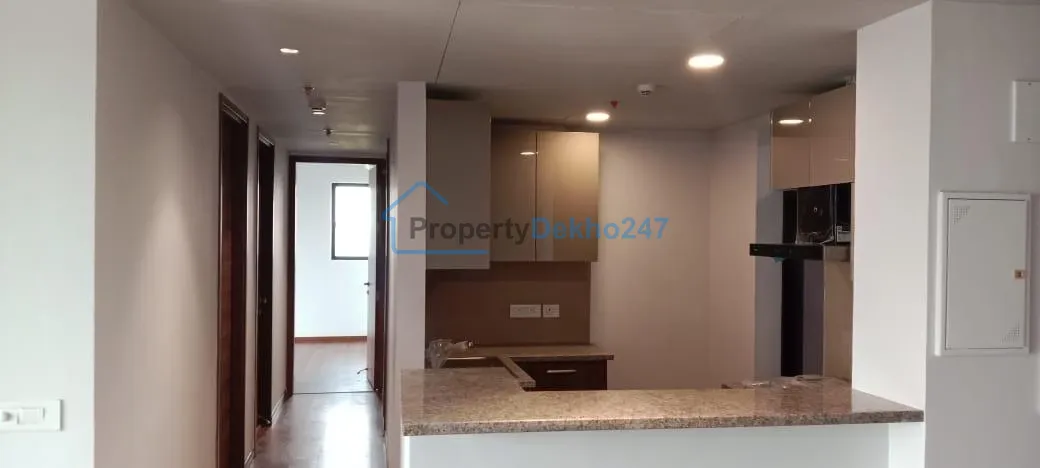
Owner Verified
Krisumi Waterfall Residences
Exact floor hidden for Owner Privacy.Status: Ready to move
Owner Verified
M3M Soulitude
Status: Ready to move
Signature Global Park
Status: Ready to move
Owner Verified
Signature Global Titanium SPR
Exact floor hidden for Owner Privacy.Status: Under Construction
Owner Verified
Signature Global Grand IVA
Owner Verified
South City 2
Status: Ready to move
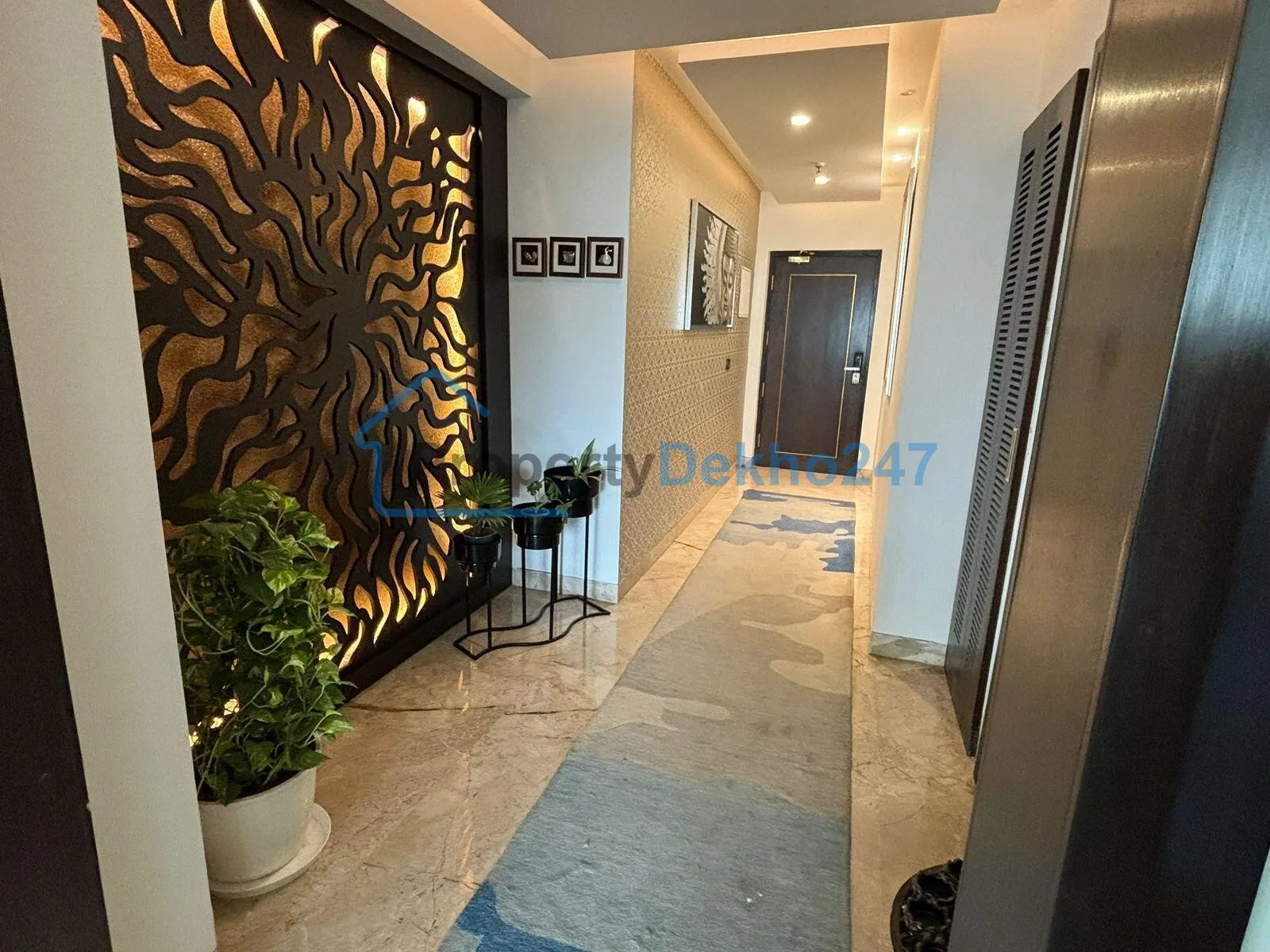
Owner Verified
Central Park Resorts
Exact floor hidden for Owner Privacy.Status: Ready to move
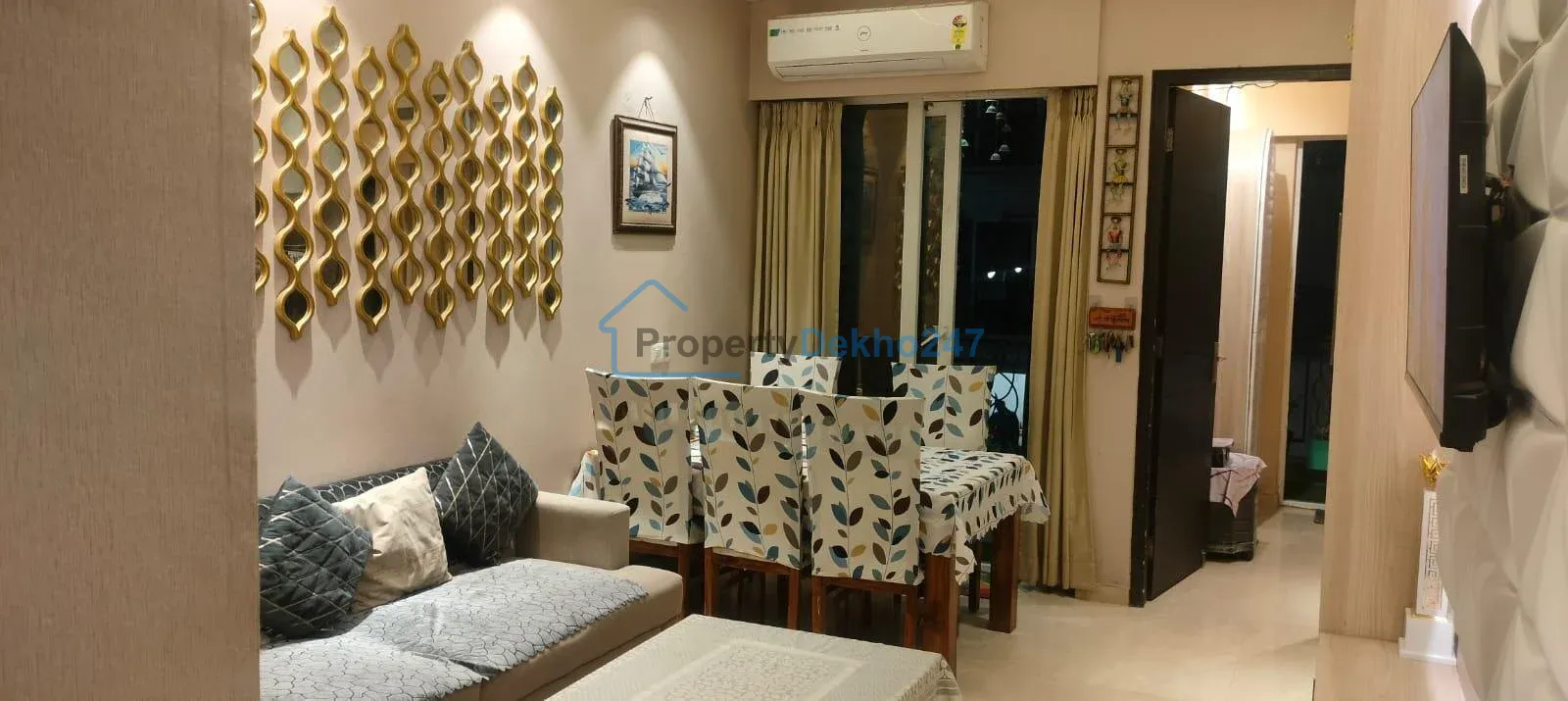
Owner Verified
Signature Global Park
Status: Ready to move
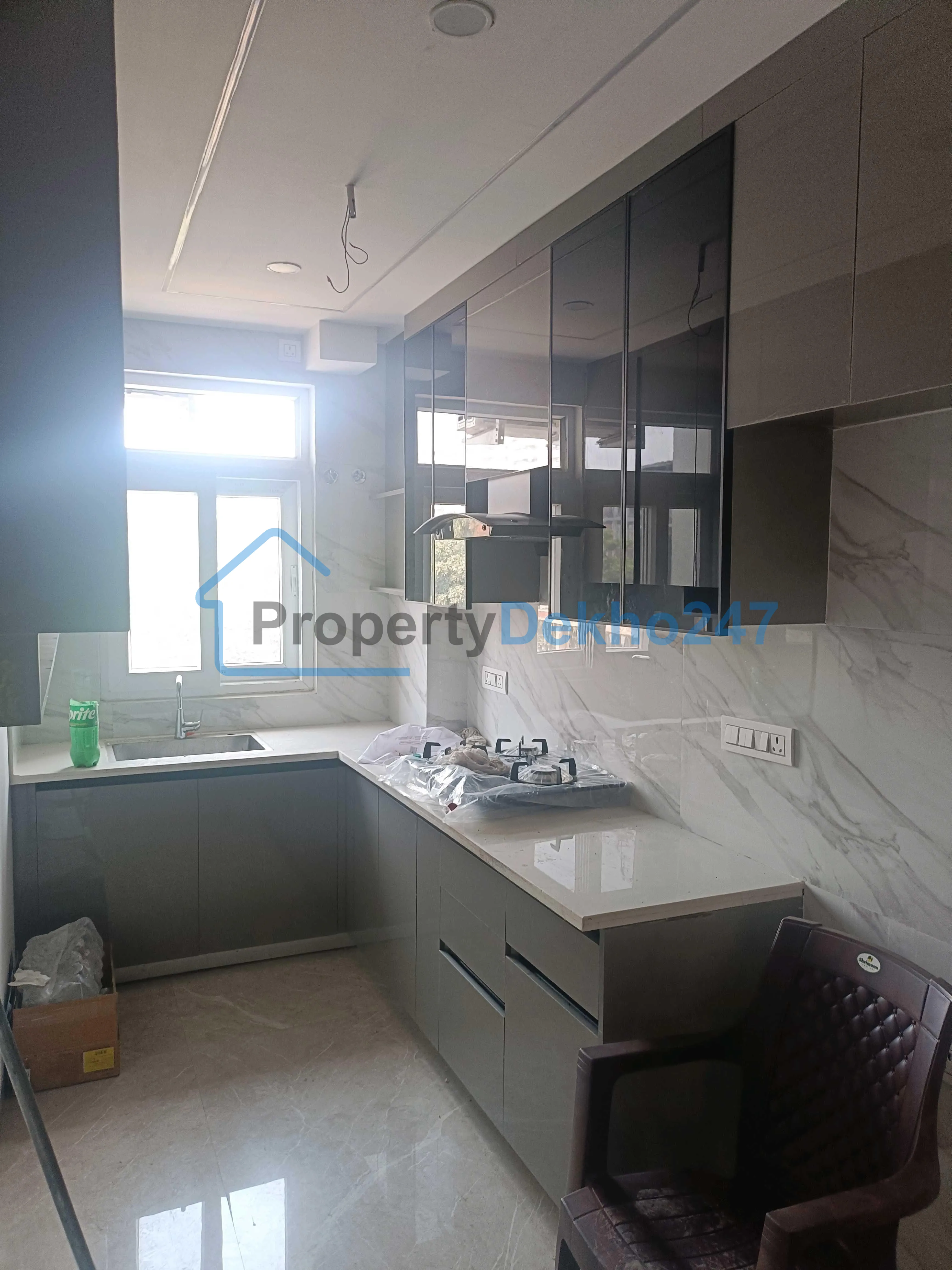
Owner Verified
BPTP Green Oaks
Status: Ready to move
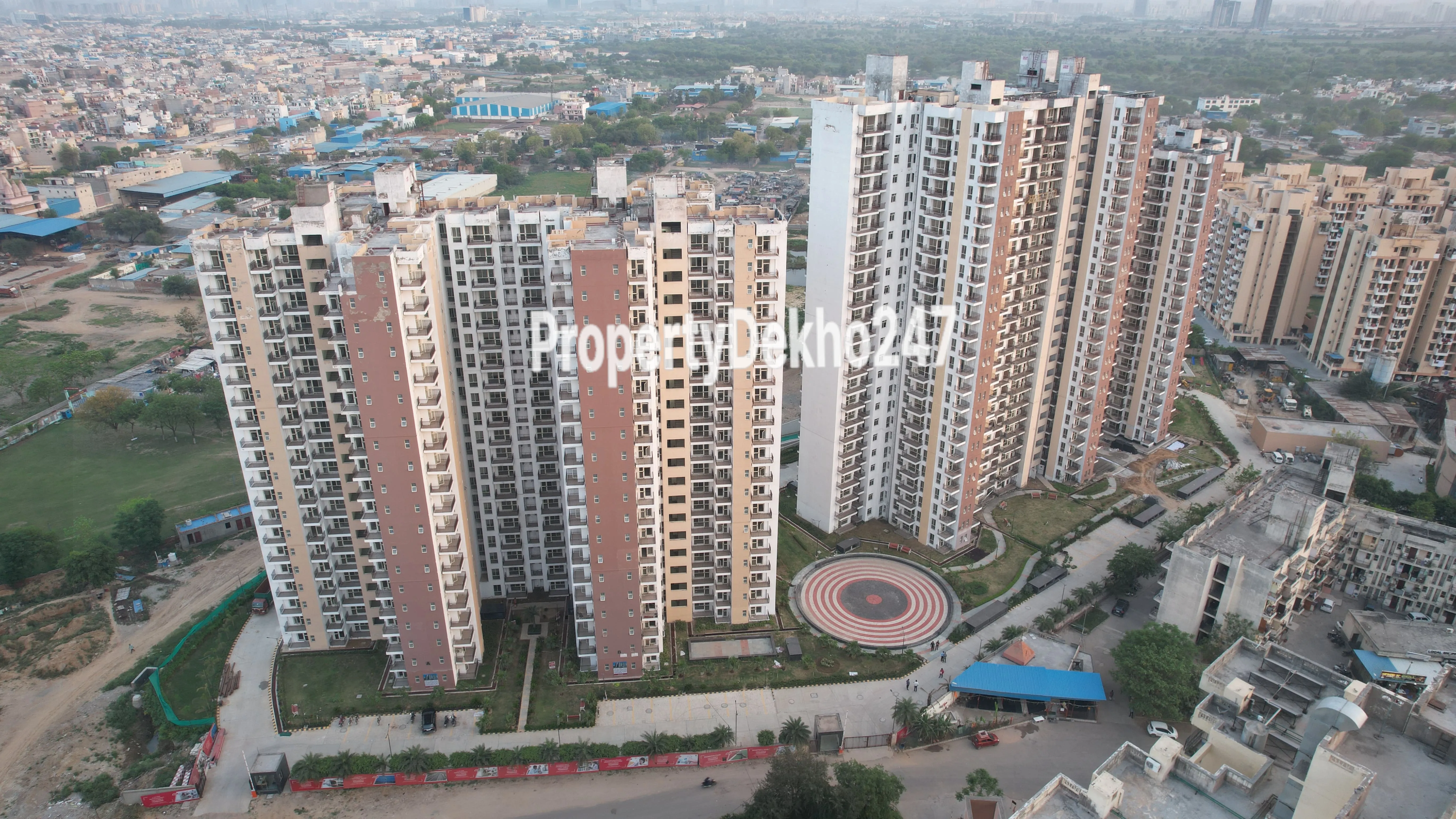
Owner Verified
IMPERIA ESFERA
Exact floor hidden for Owner Privacy.Status: Ready to move
Related Properties
Owner Verified
Conscient Habitat
Exact floor hidden for Owner Privacy.Status: Ready to move
Owner Verified
Mapsko Mount Ville
Exact floor hidden for Owner Privacy.Status: Ready to move
Owner Verified
Krisumi Waterfall Residences
Exact floor hidden for Owner Privacy.Status: Ready to move
Owner Verified
M3M Soulitude
Status: Ready to move
Signature Global Park
Status: Ready to move
Owner Verified
Signature Global Titanium SPR
Exact floor hidden for Owner Privacy.Status: Under Construction
Owner Verified
Signature Global Grand IVA
Owner Verified
South City 2
Status: Ready to move
Owner Verified
Central Park Resorts
Exact floor hidden for Owner Privacy.Status: Ready to move
Owner Verified
Signature Global Park
Status: Ready to move
Owner Verified
BPTP Green Oaks
Status: Ready to move
Owner Verified
IMPERIA ESFERA
Exact floor hidden for Owner Privacy.Status: Ready to move