
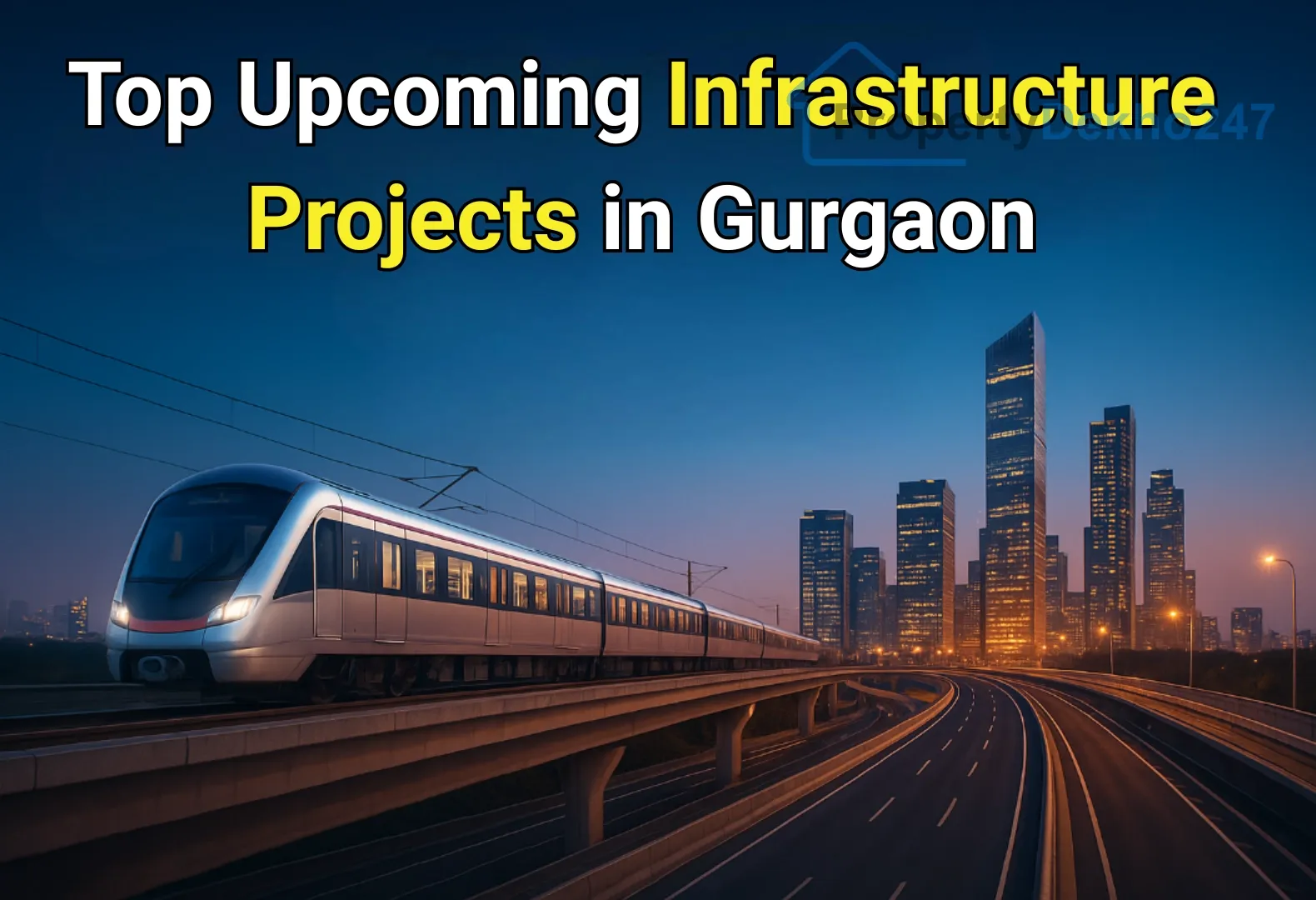
Top Upcoming Infrastructure Projects in Gurgaon
Gurgaon is at an inflection point. New expressways, metro corridors, road upgrades and targeted GMDA (Gurugram Metropolitan Development Authority) works are reshaping connectivity and residential/commercial real estate dynamics across micro markets such as Dwarka Expressway, Cyber City, Old Gurgaon, and Sohna Road. This guide breaks down the most consequential upcoming projects, explains expected timelines and likely neighbourhood impacts, and offers pragmatic insights for homebuyers, investors, developers, and urban planners. Where available, official or reputable media sources are cited so you can verify milestones and statuses. Dwarka Expressway: tunnels, underpasses, and service roads improving Delhi Gurgaon/IGI Airport connectivity. Gurgaon Metro expansion / Rapid Metro extensions: multiple proposed corridors to link HUDA City Centre, Cyber City, Dwarka, Railway Station and new sectors. GMDA road upgrades & service roads: Basai IFTCO links, 14 km upgrades, greenbelts and central verges on key sector roads. Vatika Chowk elevated corridor & major NH-8/Hero Honda upgrades: elevated links and six lane upgrades to decongest heavy traffic corridors. KMP / Peripheral expressway linked development: large scale logistics, industrial development and new nodes along the Western Peripheral corridor. 1. Dwarka Expressway the game changer for western Gurugram What’s happening: The Delhi section of Dwarka Expressway has seen major progress: tunnel and underpass trial runs and phased openings have been reported, and NHAI has publicised trial operations on segments. This expressway connects western Gurugram to Delhi and significantly shortens travel time to IGI Airport and the Diplomatic Enclave. Why it matters: Sharp reduction in commute time between South/West Delhi, Dwarka and Dwarka Expressway sectors of Gurugram. Strong upward pressure on land and housing demand along the corridor developers are already marketing new projects. Micro market impact: Dwarka Expressway and adjacent sectors are poised for accelerated residential and commercial launches. Expect improved connectivity to translate into premium on ready inventory and faster absorption of new launches. What’s happening: The Gurugram Metro plan (multiple corridors) and Rapid Metro extensions are in various stages of DPR, funding and early implementation. Proposals include a loop between HUDA City Centre and Cyber City, extended links to Dwarka and new southern corridors connecting Manesar/Pachgaon and Vatika Chowk. GMRL (Gurugram Metro Rail Limited) documents and DPRs outline length, station lists, and phased timelines. Why it matters: Metro corridors introduce high capacity, predictable connectivity directly raising transit oriented development value. Areas like Palam Vihar, Old Gurgaon, and Dwarka Expressway are explicitly mentioned as beneficiaries in metro impact analyses. Practical timeline note: Project timelines depend on approvals, land acquisition and funding cycles; several corridors have 2025 to 2029 horizon estimates for major civil works to commence or complete. What’s happening: The Gurugram Metropolitan Development Authority is investing in targeted upgrades adding service roads along Dwarka Expressway sectors (roughly 90 km planned in stages), a 14 km upgrade to ease Old Gurugram traffic and greenbelt/central verge projects on key sector roads. These are intended to unclog arterial routes and deliver basic urban infrastructure (drainage, utility relocation). Why it matters: Service roads and stormwater/drainage improvements reduce local bottlenecks and flood risk, improving livability and lowering maintenance costs for developers and residents. Enhanced urban amenities boost long term neighbourhood desirability and can be a deciding factor for families and corporations choosing locations. What’s happening: Plans for a Vatika Chowk elevated corridor and a revamp of the Umang Bharadwaj Hero Honda Chowk stretch widening to six lanes, new flyovers are being actively pursued with budget allocations and execution plans. These works aim to create signal free movement between the Delhi Mumbai Expressway, Vatika Chowk and NH-8. Why it matters: These projects will relieve some of the worst congestion points on NH-8 and the Southern Peripheral Road (SPR), which are critical for corporate office commutes and freight movement. Smoother NH-8 movement helps logistics, lowers transit times for businesses, and increases the appeal of industrial/warehousing investments near the KMP corridor. What’s happening: The KMP blueprint is catalysing plans for new industrial, logistics and satellite townships. Haryana’s KMP corridor development includes intentions for new smart cities and industrial nodes that will indirectly influence Gurgaon’s growth patterns. Why it matters: Improved peripheral connectivity reduces long haul trucking time and opens up peripheral land for logistics and industrial parks, an important economic hinterland for Gurgaon’s corporate ecosystem. KMP adjacent growth creates new demand corridors for housing and employee catchments. What’s happening: Plans and budgetary allocations in Haryana’s FY budgets have referenced heli hubs and improved last mile links to IGI Airport from Sector 84 / Dwarka Expressway area. These are supplementary but strategically meaningful projects for premium business travel. Why it matters: Improved last mile air connectivity even niche services like heliports enhances the premium positioning of nearby developments and supports high value corporate and HNI preferences. Buyers: Expect improved connectivity to push price appreciation and absorption in well connected micro markets. Prioritise projects with confirmed infrastructure links (land acquisition clearances, visible ROW works, or nearby active civil works). Investors: Look for micro markets benefiting directly from metro stations, expressway interchanges, or Vatika/Hero Honda upgrades. Transit oriented corridors often outperform others in 12 to 36 month windows. Developers / Landowners: Align project timelines with public infrastructure milestones (a project launched just before a major expressway opening can capture premium sales). Coordinate with GMDA/NHAI for utility relocation and compliance to avoid execution delays. Land acquisition & litigation: Courts or stalled land procurement often delay major highways and metro projects. Utility relocation: Hidden utilities cause major rerouting and schedule creep; authorities now budget specifically for relocation works, but delays still occur. Funding & clearances: Central/state funding cycles and environmental/forest clearances can add months to years. Weather/contractor performance: Monsoon impacts and contractor capacity constraints can shift timelines and monitor official press releases for milestone confirmations. Q1: Which Gurgaon infrastructure project will most quickly improve airport connectivity? Q2: Is there a new metro line planned in Gurgaon? Q3: How will the Dwarka Expressway affect property prices? Q4: Who is responsible for road upgrades and service roads in Gurugram? Q5: Where can I find official updates and trial run notices?projects to watch in Gurgaon
2. Gurgaon Metro expansion & Rapid Metro extensions
3. GMDA led arterial upgrades, service roads & urban utilities
4. Major corridor upgrades: Vatika Chowk, Hero Honda Chowk and NH-8 stretches
5. KMP Expressway and adjacent development
6. Air connectivity & helihub ambitions
What this means for buyers, investors & developers
Risks, Delays & Why Infrastructure Projects Take Longer
FAQ
A1: The Delhi section of the Dwarka Expressway (NH-248BB), with its tunnels and underpasses, is the most direct near term improvement for access to IGI Airport; related service roads and heli hub plans further enhance last-mile options.
A2: Yes, multiple corridors are in DPR or proposal stages, including a HUDA City Centre Cyber City loop and extensions toward Dwarka and southern Gurugram; GMRL/DPR documents outline alignments and station lists.
A3: Historically, improved expressway and metro connectivity correlates with faster price appreciation and higher absorption in connected micro markets. However, exact gains depend on project completion, micro location and market cycles.
A4: The Gurugram Metropolitan Development Authority (GMDA) typically plans and executes urban service roads and related works, often in coordination with NHAI for national highway stretches.
A5: Look for NHAI and GMDA press releases, official portals for trial runs and inaugurations, and GMRL for metro DPRs and project updates. Conclusion
Gurgaon’s near term infrastructure roadmap is ambitious and multi dimensional: expressway completions and tunnel openings Dwarka Expressway, major metro corridors, targeted GMDA roadworks and strategic corridor upgrades Vatika, Hero Honda together create stronger multimodal connectivity. For buyers and investors, the advice is to match decisions to confirmed civil milestones and favour projects with documented linkages to the infrastructure works outlined above. For developers and city planners, the opportunity is to align housing, retail and logistics supply with the unfolding transport network and the changing commuter patterns in Gurgaon.
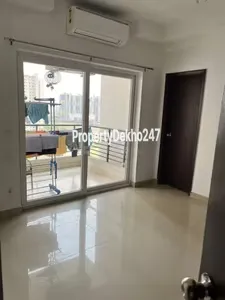

Owner Verified
Spaze Privy AT4
 Exact floor hidden for Owner Privacy.
Status: Ready to move
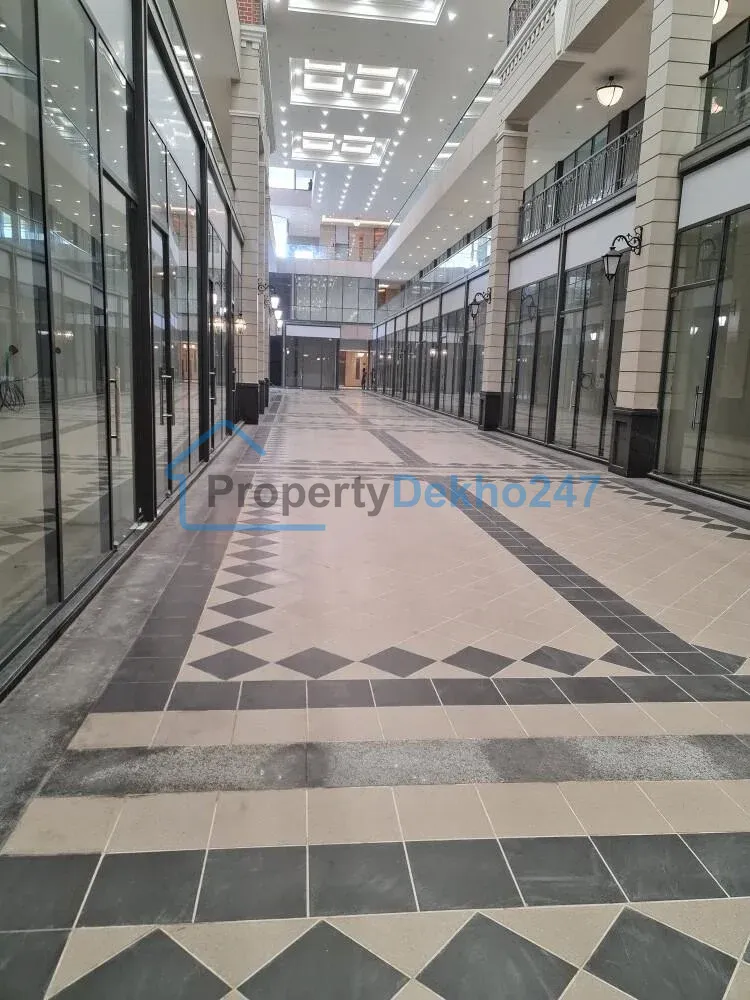
Owner Verified
M3M Broadway
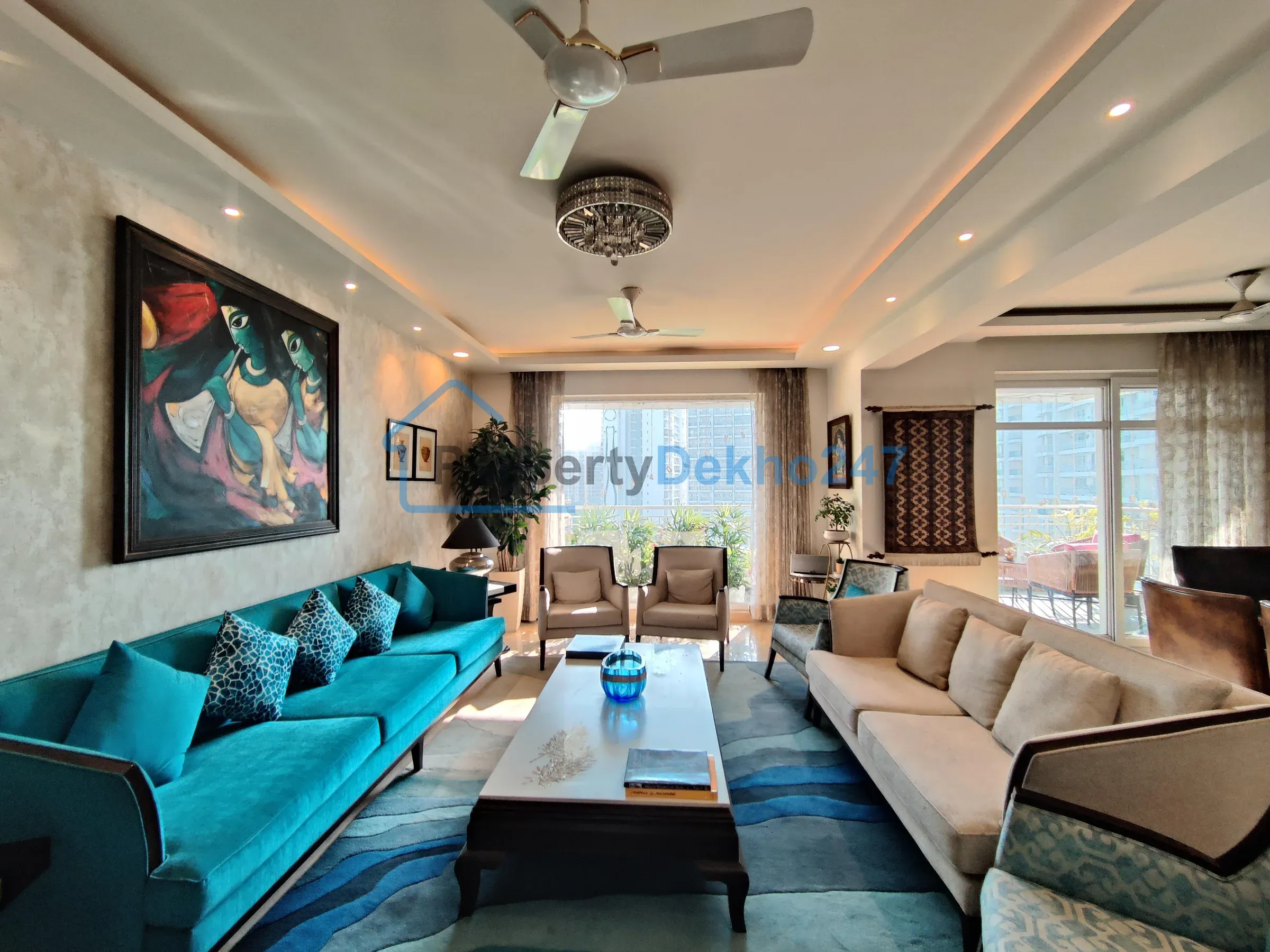
Owner Verified
Central Park Resorts
Exact floor hidden for Owner Privacy.Status: Ready to move
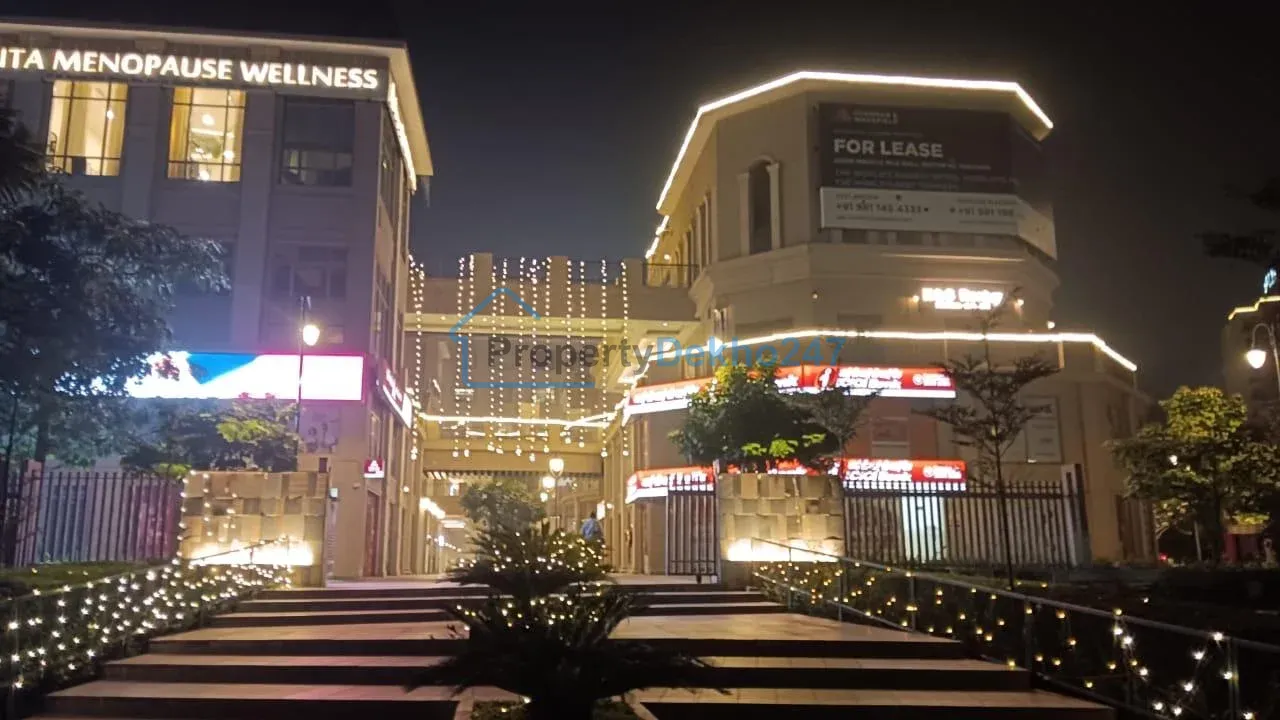
Owner Verified
Adani Brahma Miracle Mile
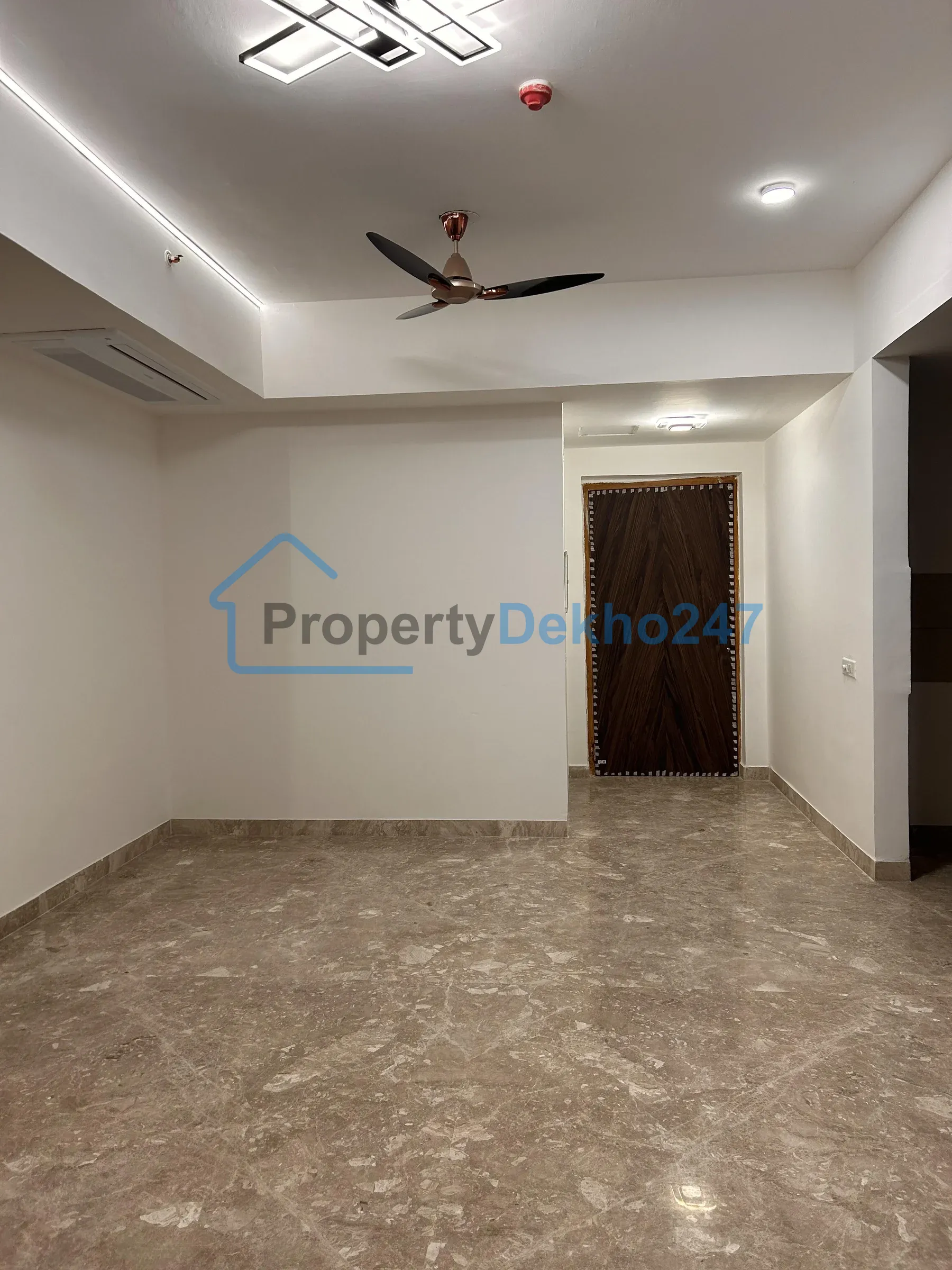
Owner Verified
SS The Leaf
Exact floor hidden for Owner Privacy.Status: Ready to move
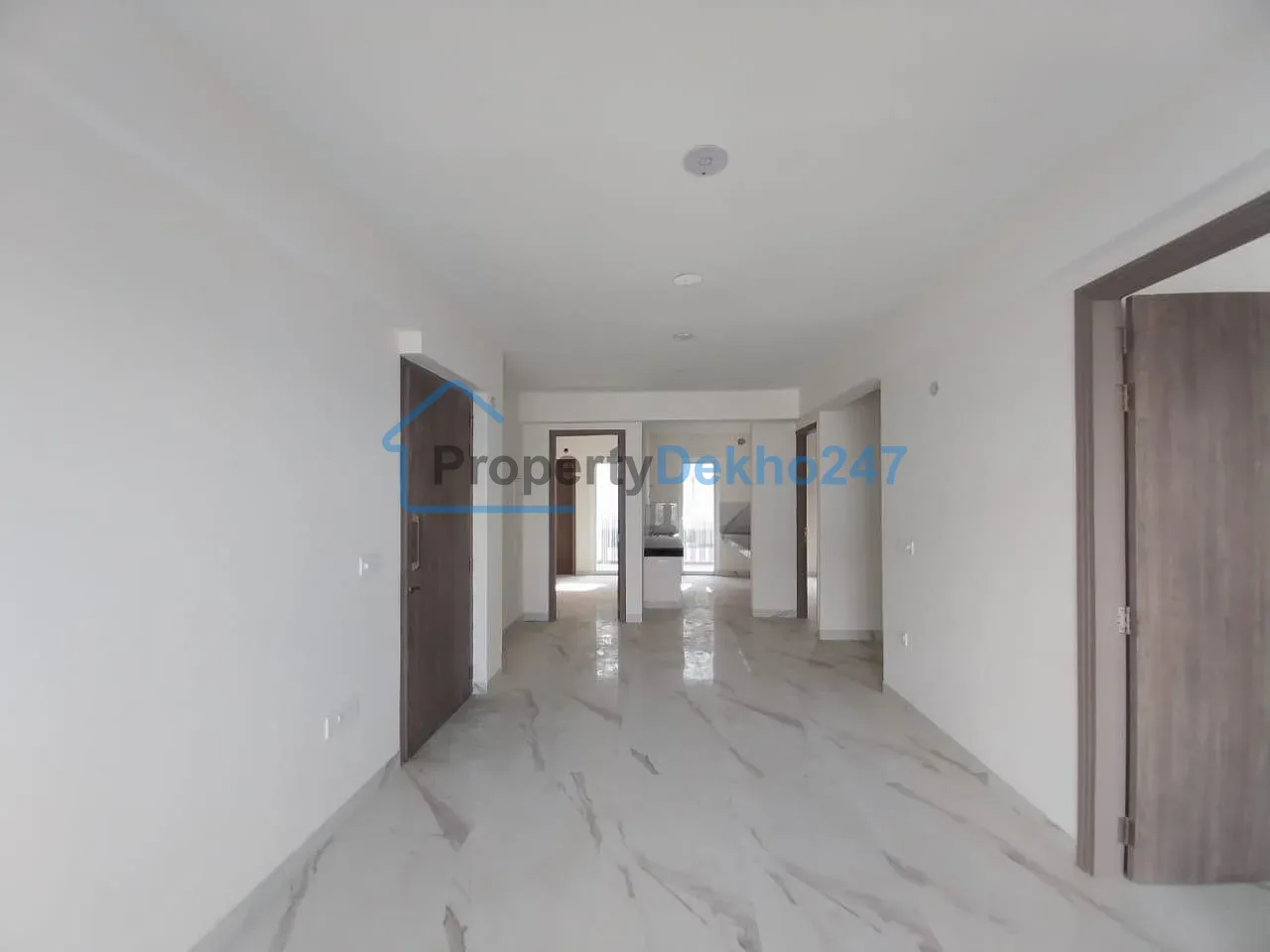
Owner Verified
M3M Antalya Hills
Status: Ready to move
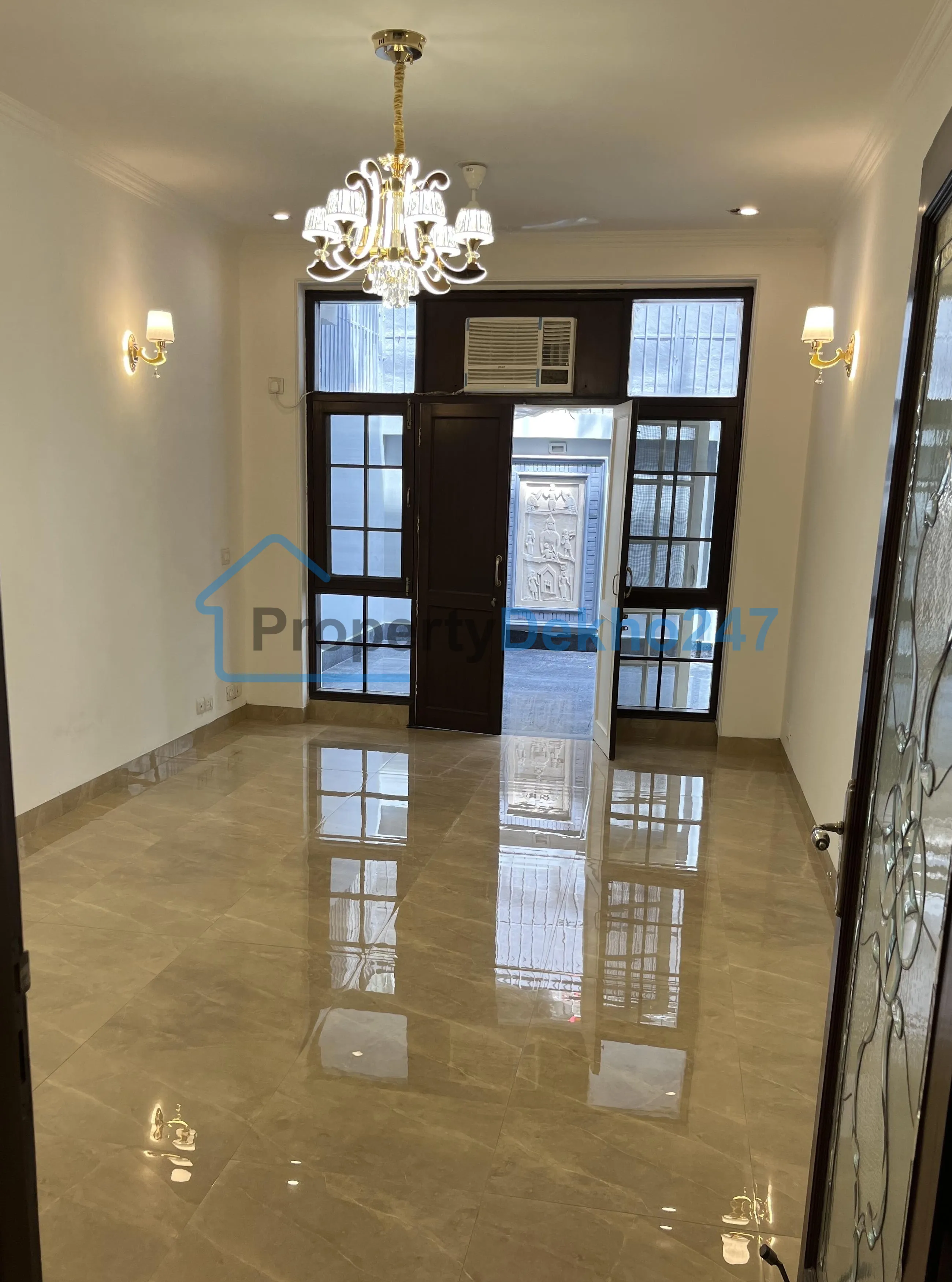
Owner Verified
DLF Phase 2
Status: Ready to move

Owner Verified
BPTP Park Serene
Exact floor hidden for Owner Privacy.Status: Ready to move
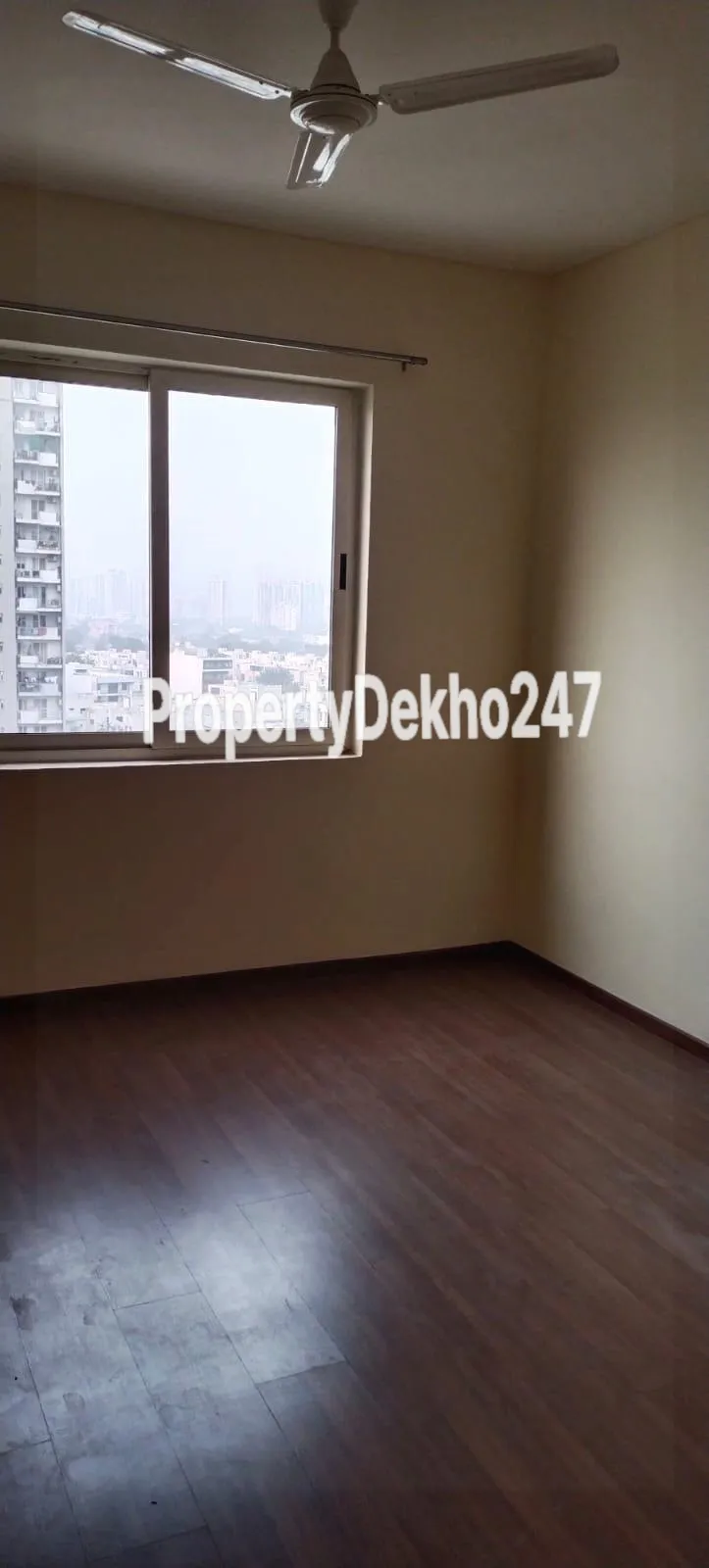
Owner Verified
Vatika The Seven Lamps
Exact floor hidden for Owner Privacy.Status: Ready to move
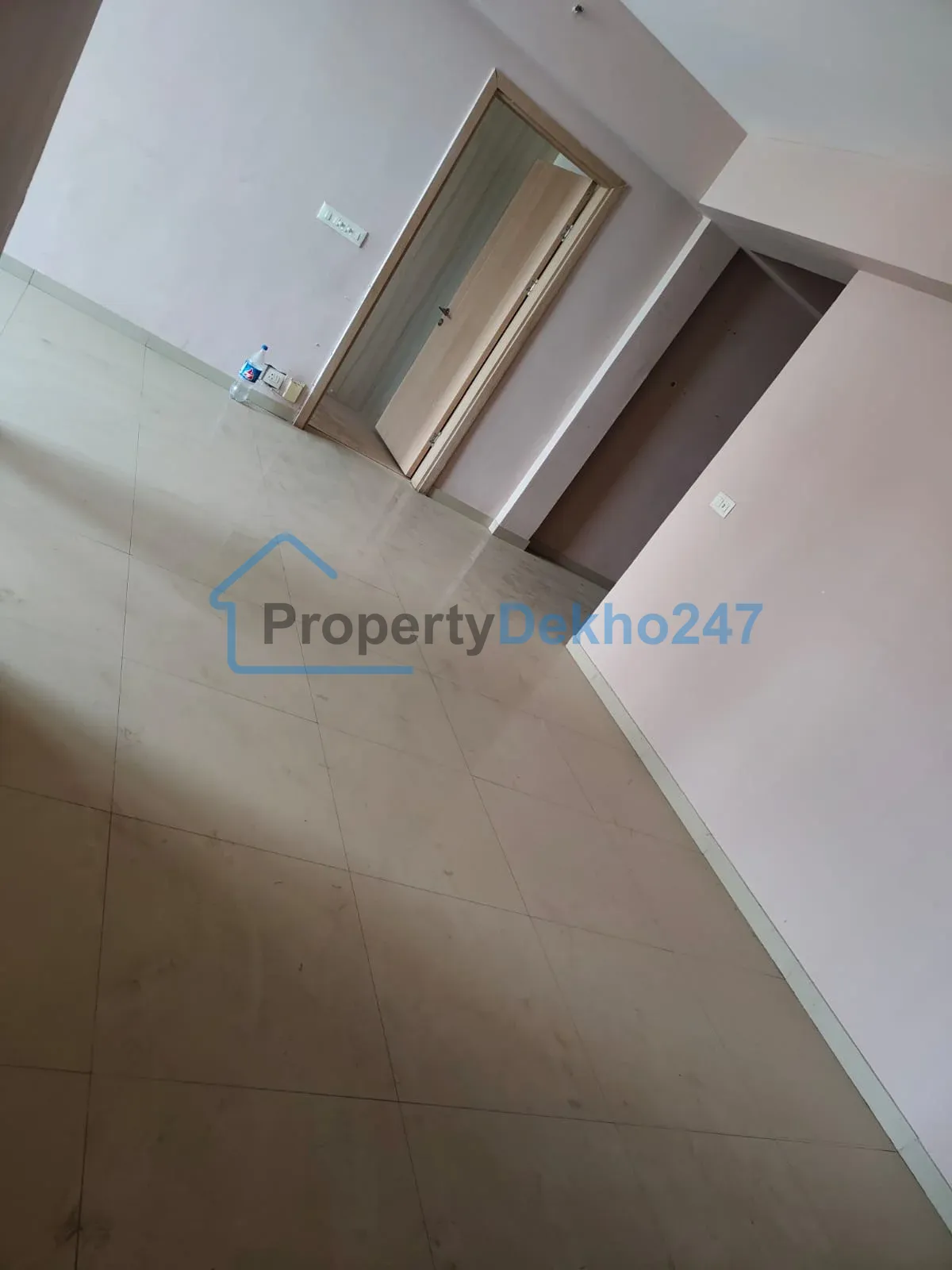
Owner Verified
DLF New Town Heights 3
Exact floor hidden for Owner Privacy.Status: Ready to move
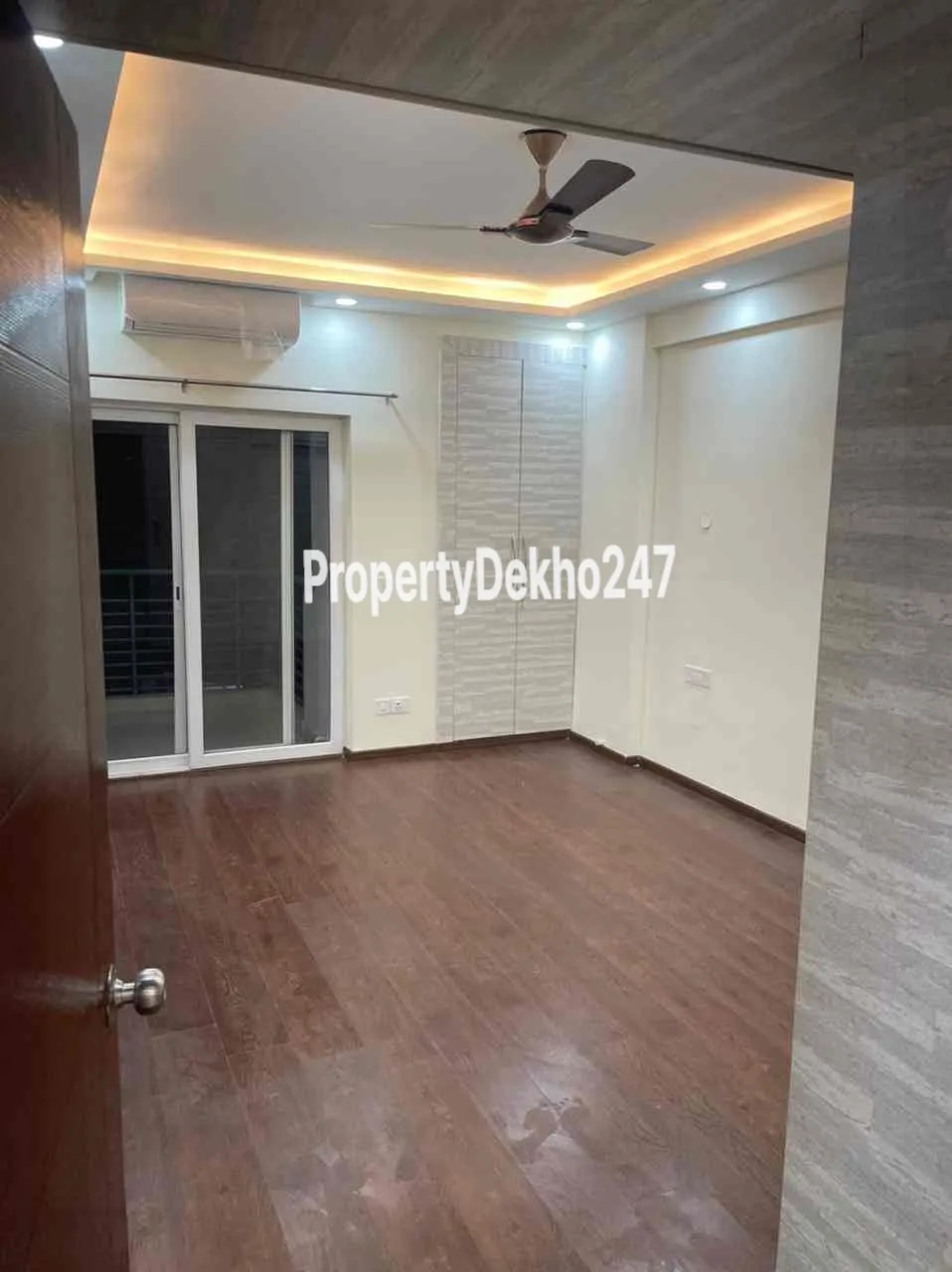
Owner Verified
Spaze Privy AT4
Exact floor hidden for Owner Privacy.Status: Ready to move
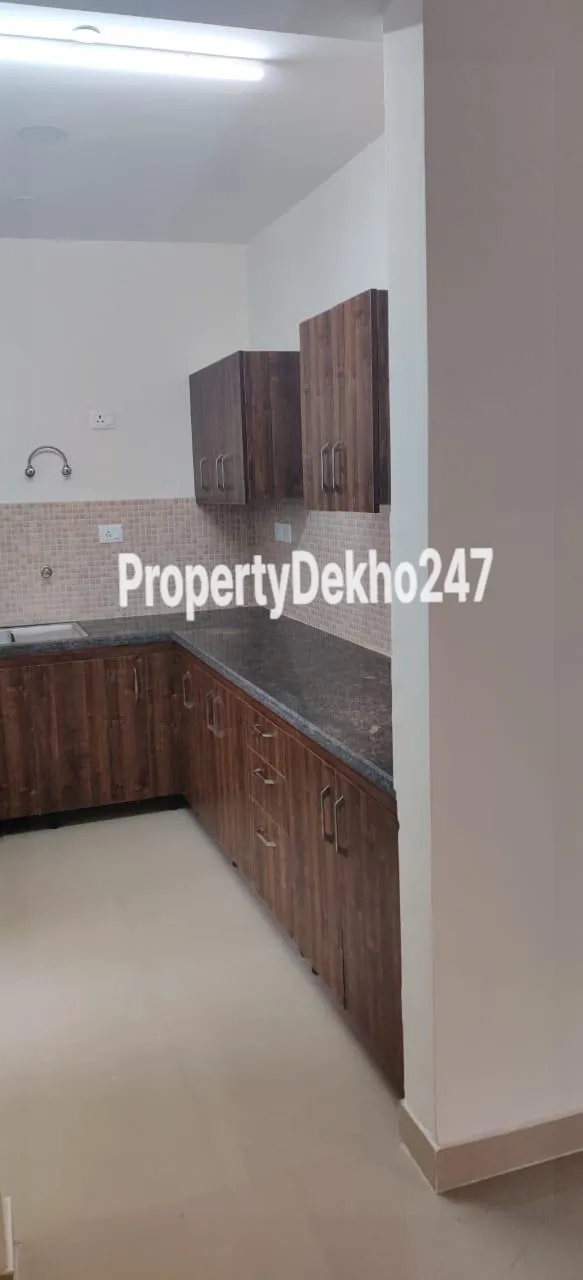
Owner Verified
Mapsko Casa Bella
Exact floor hidden for Owner Privacy.Status: Ready to move
Related Properties
Owner Verified
Spaze Privy AT4
Exact floor hidden for Owner Privacy.Status: Ready to move
Owner Verified
M3M Broadway
Owner Verified
Central Park Resorts
Exact floor hidden for Owner Privacy.Status: Ready to move
Owner Verified
Adani Brahma Miracle Mile
Owner Verified
SS The Leaf
Exact floor hidden for Owner Privacy.Status: Ready to move
Owner Verified
M3M Antalya Hills
Status: Ready to move
Owner Verified
DLF Phase 2
Status: Ready to move
Owner Verified
BPTP Park Serene
Exact floor hidden for Owner Privacy.Status: Ready to move
Owner Verified
Vatika The Seven Lamps
Exact floor hidden for Owner Privacy.Status: Ready to move
Owner Verified
DLF New Town Heights 3
Exact floor hidden for Owner Privacy.Status: Ready to move
Owner Verified
Spaze Privy AT4
Exact floor hidden for Owner Privacy.Status: Ready to move
Owner Verified
Mapsko Casa Bella
Exact floor hidden for Owner Privacy.Status: Ready to move