
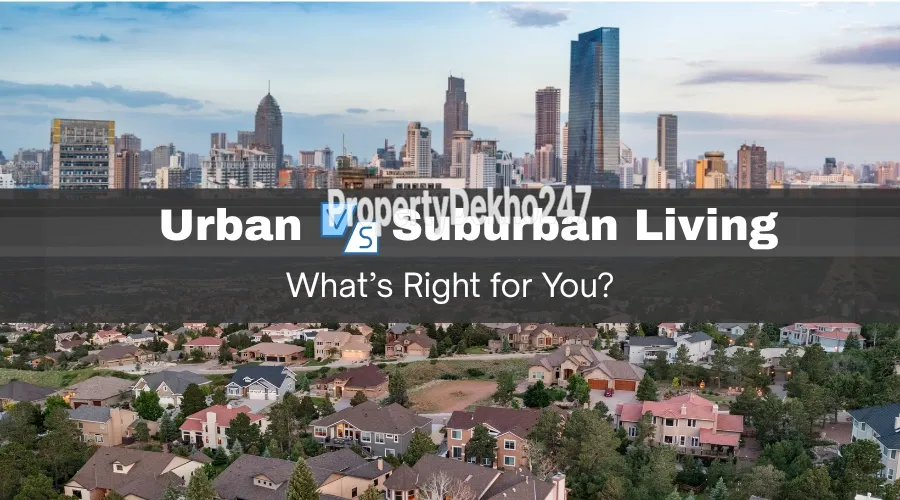
Urban vs Suburban Living: What’s Right for You?
Where we live shapes how we live. Whether it's the hustle of downtown streets or the quiet charm of tree-lined cul-de-sacs, the choice between urban and suburban living affects everything—from our daily routines to long-term aspirations. In an era defined by remote work, changing housing markets, and shifting lifestyle values, this decision carries more weight than ever before.
Why Choosing Between Urban and Suburban Living Matters
This isn’t just about real estate. It’s about rhythm, community, opportunities, and well-being. The decision between city life and suburban life determines the kind of noise you wake up to, how far your money goes, and the environments in which families grow or careers blossom.
Key reasons it matters:
-
Influences daily lifestyle and work-life balance
-
Affects financial priorities and long-term savings
-
Shapes social interactions and support systems
-
Impacts access to services, education, and healthcare
What is Urban Living?
Defining the City Lifestyle
Urban living refers to life in densely populated city centers. It's a place of constant motion, where culture, business, and lifestyle converge.
Key Features and Amenities
City life includes:
-
Skyscrapers and high-rises
-
Extensive public transit systems
-
Immediate access to food, entertainment, and healthcare
-
Diverse population and cultural vibrancy
What is Suburban Living?
Suburbs emphasize residential tranquility. With more space, lower density, and a family-oriented ethos, they contrast starkly with urban life.
Why People Choose the Suburbs
-
More affordable and spacious housing
-
Strong school systems
-
Perception of increased safety
-
Community-focused lifestyle
Cost of Living Comparison

| Aspect | Urban Living | Suburban Living |
|---|---|---|
| Housing Costs | Higher per sq. ft, smaller units | Lower costs, more space |
| Transportation | Lower personal vehicle usage, more transit expenses | Higher car ownership and fuel costs |
| Daily Expenses | Higher grocery, dining, and service costs | Generally lower across categories |
| Parking | Limited and often costly | Abundant and typically free |
Certainly! Here’s a combined section with a single heading and clear pointers integrating all those aspects:
Read Also: What is the Interest Rate for a Home Loan in 2025?
Lifestyle, Community, and Living: Urban vs. Suburban Perspectives

Choosing between urban and suburban living means considering many intertwined aspects of daily life. Here’s a comprehensive look at how lifestyle, career, social environment, education, safety, transportation, housing, environment, health, culture, and family life compare in these two settings:
-- Pace and Lifestyle:
Urban life is fast-paced, fueled by deadlines, meetings, and a packed social calendar. It offers constant exposure to trends and cultural innovation but often involves sensory overload and crowded spaces. Suburbs move at a gentler rhythm with predictable routines, greater emphasis on family and leisure, and quieter, nature-filled surroundings.
-- Employment and Career Opportunities:
Cities serve as economic hubs with diverse industries, higher salaries, and easy networking through events and proximity. Suburban job markets are more limited, frequently requiring commuting to urban centers. However, the rise of remote and hybrid work models increasingly supports suburban employment flexibility.
-- Social Life and Community:
Urban areas boast international communities, vibrant nightlife, and large-scale cultural events, offering broad but sometimes anonymous social interactions. In contrast, suburban communities foster strong neighborly bonds, family-centered socializing, and localized events like school fairs and sports, creating a close-knit social fabric.
-- Education and Schools:
Urban schooling provides a wide range of options, including charter, magnet, and private schools, though enrollment competition can be intense and resources vary. Suburban schools tend to have steady zoning policies, consistent funding, and strong academic and extracurricular programs.
-- Safety and Security:
Crime rates in cities can be higher and vary greatly by neighborhood, balanced by visible police presence in many areas. Suburbs typically experience lower crime, slower life pace, and active community watch programs, contributing to a safer environment, especially for families.
-- Transportation and Accessibility:
Urban residents benefit from extensive public transit, walkability, and biking options, often with shorter commutes. Suburban life usually demands car ownership, with longer and sometimes more stressful commutes, and less frequent public transit availability.
-- Housing and Space:
City housing often means compact apartments or condos with shared amenities but limited private outdoor areas. Suburban homes provide more space, garages, lawns, and freedom to remodel or expand, offering greater privacy and room to grow.
-- Green Spaces and Environment:

Urban living incorporates parks, rooftop gardens, and green initiatives amid dense development, though air and noise pollution can be concerns. Suburbs offer private yards, nature trails, and community parks, delivering cleaner air, quieter surroundings, and more direct access to nature.
-- Health and Wellness:
Cities provide advanced, specialized healthcare facilities with convenient emergency access. Suburbs typically focus on family-centric clinics and general care providers. Fitness options in cities include boutique studios and cycling infrastructure, while suburbs often have gyms, community centers, and organized sports leagues.
-- Cultural and Entertainment Options:
Urban areas feature diverse nightlife, theaters, museums, and frequent events, alongside global culinary choices. Suburbs have fewer nightlife venues but celebrate local festivals, school performances, and community arts that foster a strong sense of belonging.
-- Family Life Considerations:
Suburbs shine in offering child-friendly environments with spacious homes, parks, and schools. Urban settings are adapting but still face challenges with space and safety. Work-life balance in the suburbs often benefits from more predictable schedules, while city living provides convenience paired with potential time constraints.
This comprehensive view helps clarify how these key factors shape the experience of living in urban versus suburban areas.
-
Read The Blog Also: What to Consider When Buying a House in Gurgaon?
Challenges of Urban Living

| Challenges |
Urban Living | Suburban Living |
|---|---|---|
| Noise and Environment | Persistent noise, crowded streets, sensory overload | Quieter, but isolated and less stimulating |
| Cost of Living | High housing costs, expensive services | Lower housing costs but higher commuting expenses |
| Housing | Limited space, fierce competition for apartments | Spacious homes but fewer options in certain markets |
| Transportation and Parking | Parking scarcity, crowded public transit | Dependence on cars, long and costly commutes |
| Stress Levels | Elevated due to pace and density | Stress from commuting and limited social amenities |
| Social and Cultural Life | Rich cultural scene but sometimes impersonal | Limited nightlife and entertainment options |
| Child Exposure | Diverse cultural experiences but fewer play spaces | Family-friendly but less exposure to diversity and events |
Making Your Choice
Assessing Your Priorities and Lifestyle
-
Do you crave stimulation or serenity?
-
Are you career-focused, family-focused, or both?
-
How important is space versus access?
-
What kind of community do you want to be part of?
Tips for Deciding What’s Best for You
-
Create a pros and cons list specific to your lifestyle
-
Visit neighborhoods during different times of day
-
Test commute routes if working in-office
-
Consider future plans (e.g., children, career moves, aging parents)
Conclusion
The city offers velocity, variety, and visibility. The suburbs bring calm, consistency, and community. There’s no universal right answer—just the one that fits your present reality and future vision. Choose thoughtfully, because where you live shapes how you live.

PropertyDekho247 POV
At PropertyDekho247, we understand that the right property isn’t just about square footage—it’s about lifestyle fit. Whether you're navigating skyscrapers or seeking peace in a cul-de-sac, we offer the insights, listings, and expert guidance to help you choose confidently. Let your next home reflect the life you want to lead.

Owner Verified
Godrej Summit
 Exact floor hidden for Owner Privacy.
Status: Ready to move

Owner Verified
Sare Homes Crescent Parc
Exact floor hidden for Owner Privacy.Status: Ready to move
MRG The Balcony
Exact floor hidden for Owner Privacy.Status: Ready to move

Owner Verified
M3M Mansion
Exact floor hidden for Owner Privacy.Status: Under Construction

Owner Verified
Bestech Park View Ananda
Exact floor hidden for Owner Privacy.Status: Ready to move
Owner Verified
Vatika Gurgaon 21
Exact floor hidden for Owner Privacy.Status: Ready to move
Owner Verified
Vatika Gurgaon 21
Exact floor hidden for Owner Privacy.Status: Ready to move
Owner Verified
Signature Global Signum
Owner Verified
Vatika City Homes
Exact floor hidden for Owner Privacy.Status: Ready to move
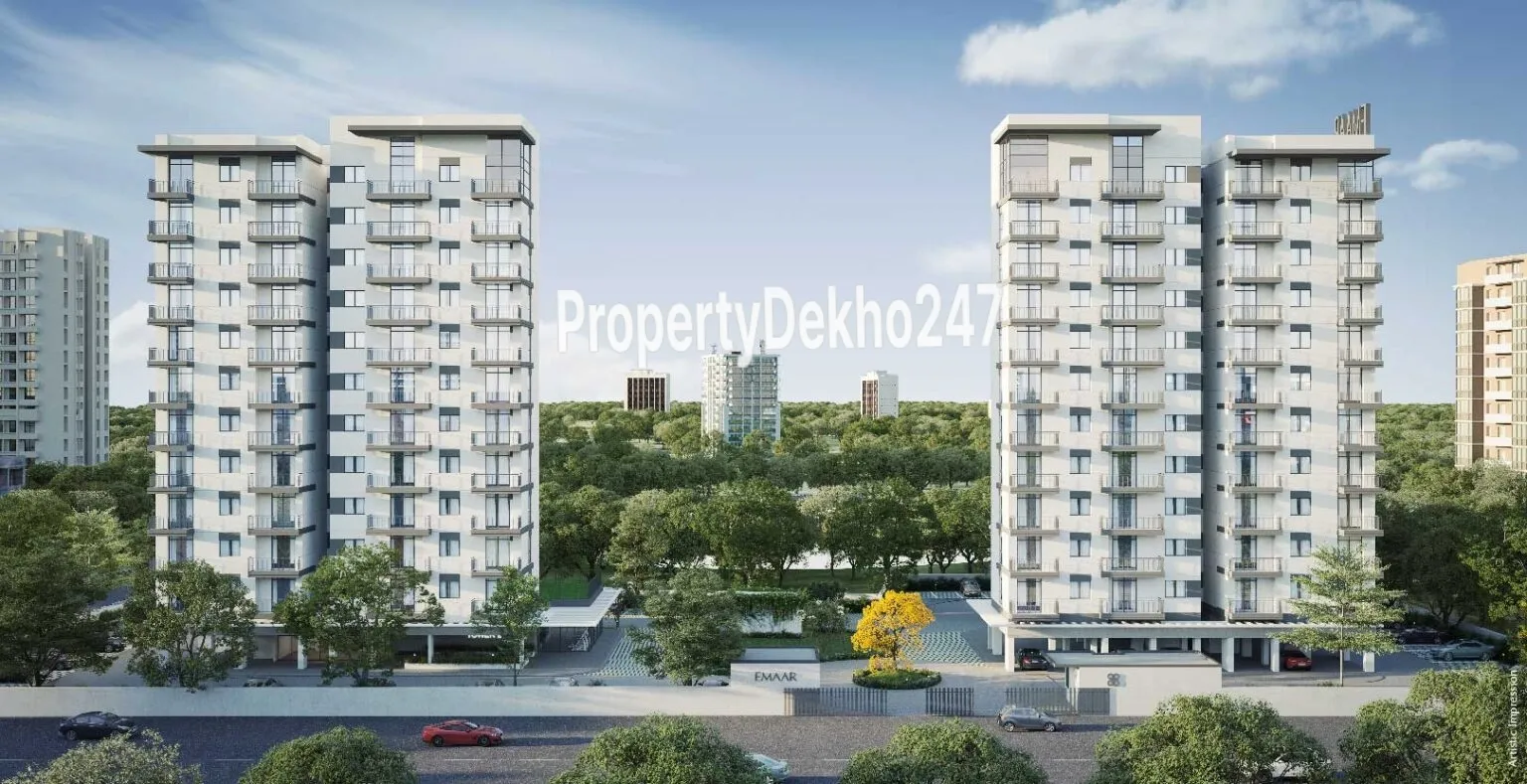
Owner Verified
Emaar The 88
Exact floor hidden for Owner Privacy.Status: Under Construction
Owner Verified
Paras Dews
Exact floor hidden for Owner Privacy.Status: Ready to move
Signature Global City 81
Status: Ready to move
Related Properties
Owner Verified
Godrej Summit
Exact floor hidden for Owner Privacy.Status: Ready to move
Owner Verified
Sare Homes Crescent Parc
Exact floor hidden for Owner Privacy.Status: Ready to move
MRG The Balcony
Exact floor hidden for Owner Privacy.Status: Ready to move
Owner Verified
M3M Mansion
Exact floor hidden for Owner Privacy.Status: Under Construction
Owner Verified
Bestech Park View Ananda
Exact floor hidden for Owner Privacy.Status: Ready to move
Owner Verified
Vatika Gurgaon 21
Exact floor hidden for Owner Privacy.Status: Ready to move
Owner Verified
Vatika Gurgaon 21
Exact floor hidden for Owner Privacy.Status: Ready to move
Owner Verified
Signature Global Signum
Owner Verified
Vatika City Homes
Exact floor hidden for Owner Privacy.Status: Ready to move
Owner Verified
Emaar The 88
Exact floor hidden for Owner Privacy.Status: Under Construction
Owner Verified
Paras Dews
Exact floor hidden for Owner Privacy.Status: Ready to move
Signature Global City 81
Status: Ready to move