
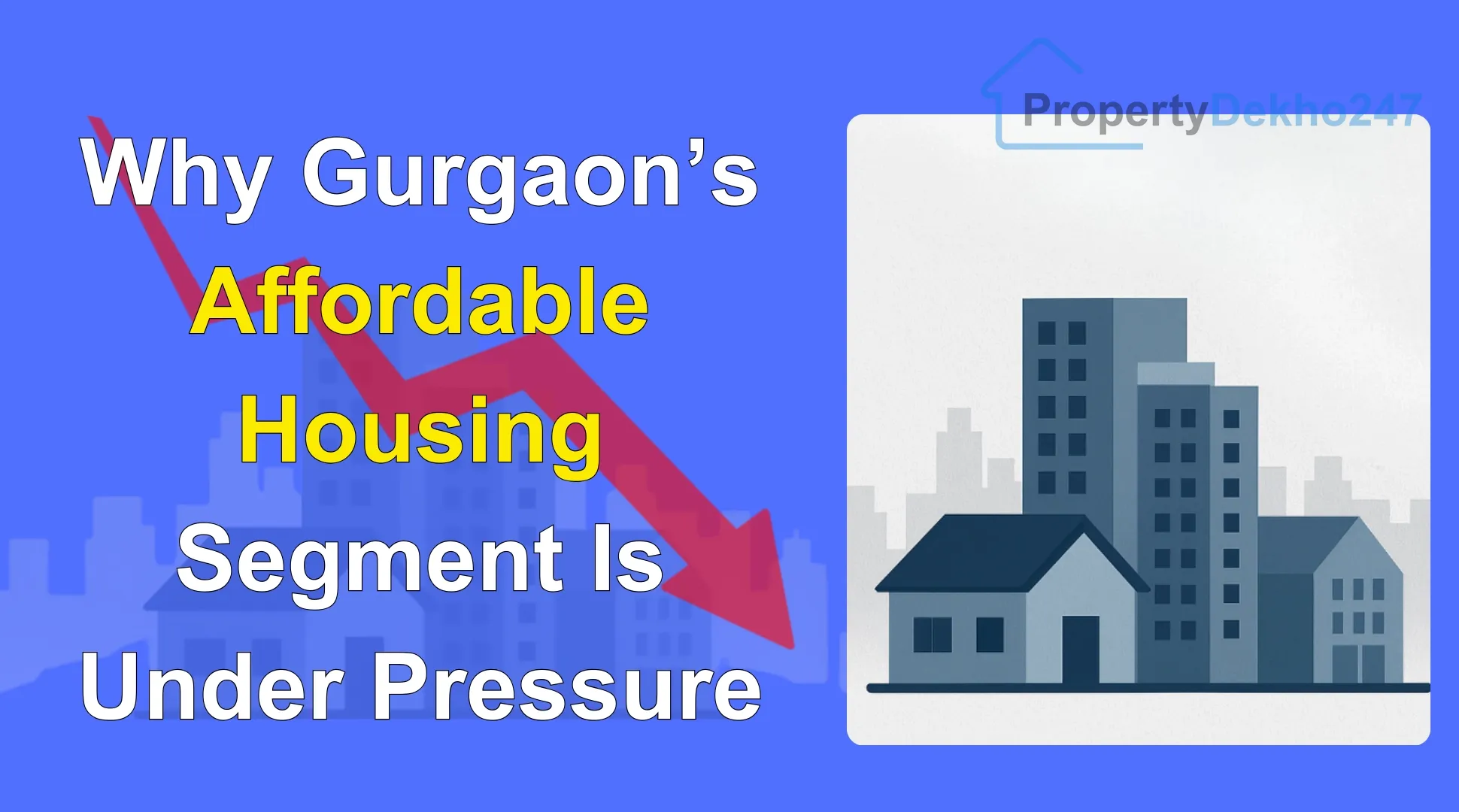
Why Gurgaon’s Affordable Housing Segment Is Under Pressure
Gurgaon now known as Gurugram has emerged as one of India’s most dynamic real estate markets, driven by booming IT hubs, multinational offices, and world class infrastructure. However, beneath the glossy skyline of luxury apartments and premium gated communities lies a troubling reality the affordable housing segment in Gurgaon is under severe pressure. Despite high demand from middle income buyers, professionals, and first time homeowners, the supply of affordable units has stagnated. Prices continue to surge, government policy clarity remains inconsistent, and developers are increasingly shifting toward high margin luxury projects. This raises an important question: Why is Gurgaon struggling to accommodate affordable housing when demand is clearly visible? In India, affordable housing typically refers to units priced under a specified threshold with a carpet area that fits the needs of lower and middle income groups. Gurgaon was once considered a favourable destination for such projects due to: Proximity to Delhi Employment in Cyber City, Udyog Vihar, Sohna Road, and Golf Course Road Major transport corridors like Dwarka Expressway, NH-48, and Kundli Manesar Palwal Expressway Rapid urbanisation and rental potential Yet, the ecosystem that once promoted affordable options is now weakening. Gurgaon’s land values have skyrocketed over the past decade. Why this matters: Affordable housing requires low cost land to remain viable. Developers find luxury housing more profitable on expensive plots. Peripheral zones once affordable are also witnessing price hikes due to expressway led appreciation. Result: Gurgaon is now dominated by premium launches featuring: Smart homes Branded residences Golf facing projects High end amenities Luxury inventory delivers much higher profit margins, while affordable housing offers slower returns and stricter compliance. Developers logically chase where the money is. The post pandemic market has seen: Increase in cement and steel prices Higher labour costs Global supply chain disruptions For a category already dependent on cost efficiency, even a 10–15% rise in raw materials can make projects unviable. Haryana’s affordable housing policy initially attracted developers, but recent challenges include: Unpredictable approval timelines Changing development norms Lack of clarity around subsidies and incentives Delayed infrastructure provisioning Without regulatory stability, developers hesitate to enter the affordable segment. Today’s urban buyer wants: Larger living spaces Premium amenities Branded societies Accessibility to metro and corporate hubs While affordability remains a priority, aspiration is redefining demand and developers are capitalizing on it. Gurgaon’s rental yields among the highest in NCR are attracting investors to mid segment and luxury properties instead of affordable projects. As rental income becomes a primary motivation, supply gets skewed away from budget homes. The pressure isn’t theoretical it is reshaping Gurgaon’s housing landscape: Yes but only if certain triggers align: Government steps like tax rebates and subsidy clarity If the ecosystem improves, Gurgaon can rebalance its real estate pyramid. Yes, but availability is shrinking, especially in well connected sectors. Most affordable options exist beyond NH-48 and developing zones along Dwarka Expressway. Due to higher land costs, rising construction expenses, and better profit margins in luxury projects. If government incentives and infrastructure evolve, early investment in peripheral sectors may yield strong returns. First time homebuyers, working professionals, and families looking for budget friendly options near employment hubs. The dream of owning an affordable home in Gurgaon is becoming increasingly challenging not because demand is low, but because the ecosystem around it is shifting. The rise of luxury projects, expensive land parcels, and inconsistent policies have pushed affordable housing into a corner.
Let’s break it down.Understanding Affordable Housing in Gurgaon:
Top Reasons Why Affordable Housing Is Under Pressure in Gurgaon
1. Rising Land Prices and Scarcity of Developable Land
Affordable homes are either pushed too far from job hubs or priced out of their category.2. Developers Prioritizing High Margin Luxury Projects
3. Construction Costs Have Escalated Sharply
4. Delays in Policy Incentives and Regulatory Bottlenecks
5. Buyer Preferences Are Shifting
6. Rental Market Growth Outpacing Affordable Purchase Demand
Impact of the Affordable Housing Crunch
Will Gurgaon’s Affordable Housing Segment Recover?
What Can Revive the Market
Faster approvals under single window clearance
Incentives to builders entering affordable category
Establishment of budget friendly zones along emerging corridors
PPP (Public Private Partnerships) for low income housingFAQs
Is affordable housing still available in Gurgaon?Why are developers avoiding affordable housing?
Is this a good time to invest in affordable housing in Gurgaon?
Who benefits from Gurgaon’s affordable housing?
Conclusion
However, Gurgaon continues to remain a magnet for professionals and businesses. With the right policy measures and strategic interventions, the affordable segment can regain prominence and bridge the widening housing gap.
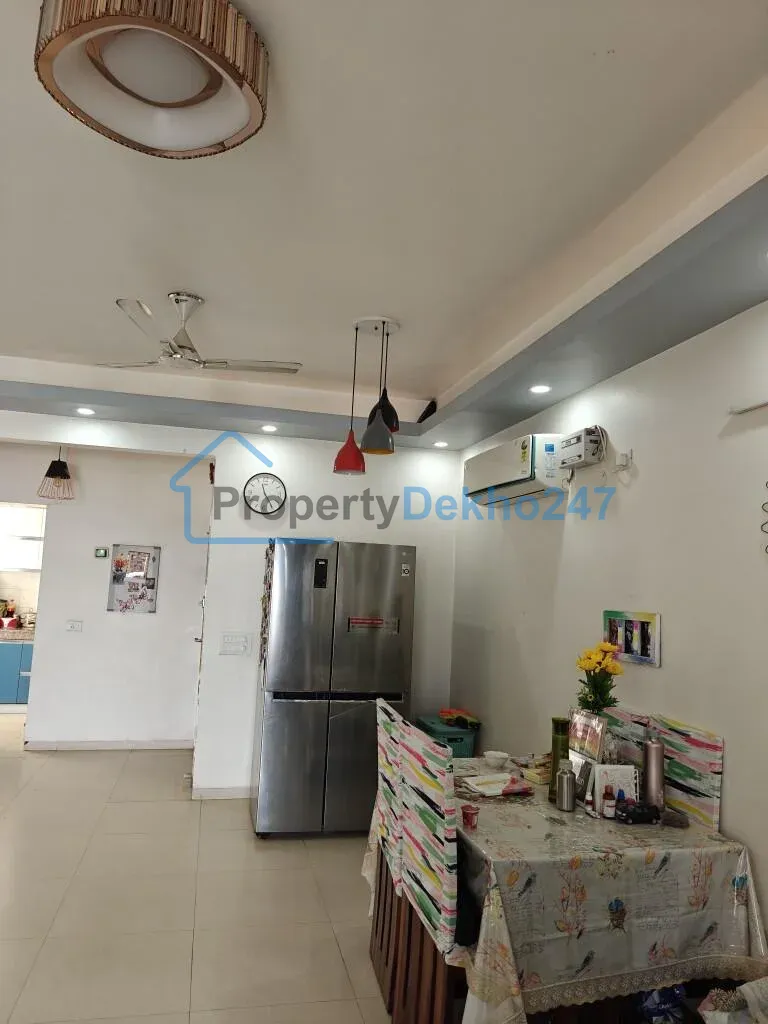

Owner Verified
Vatika Gurgaon 21
 Exact floor hidden for Owner Privacy.
Status: Ready to move
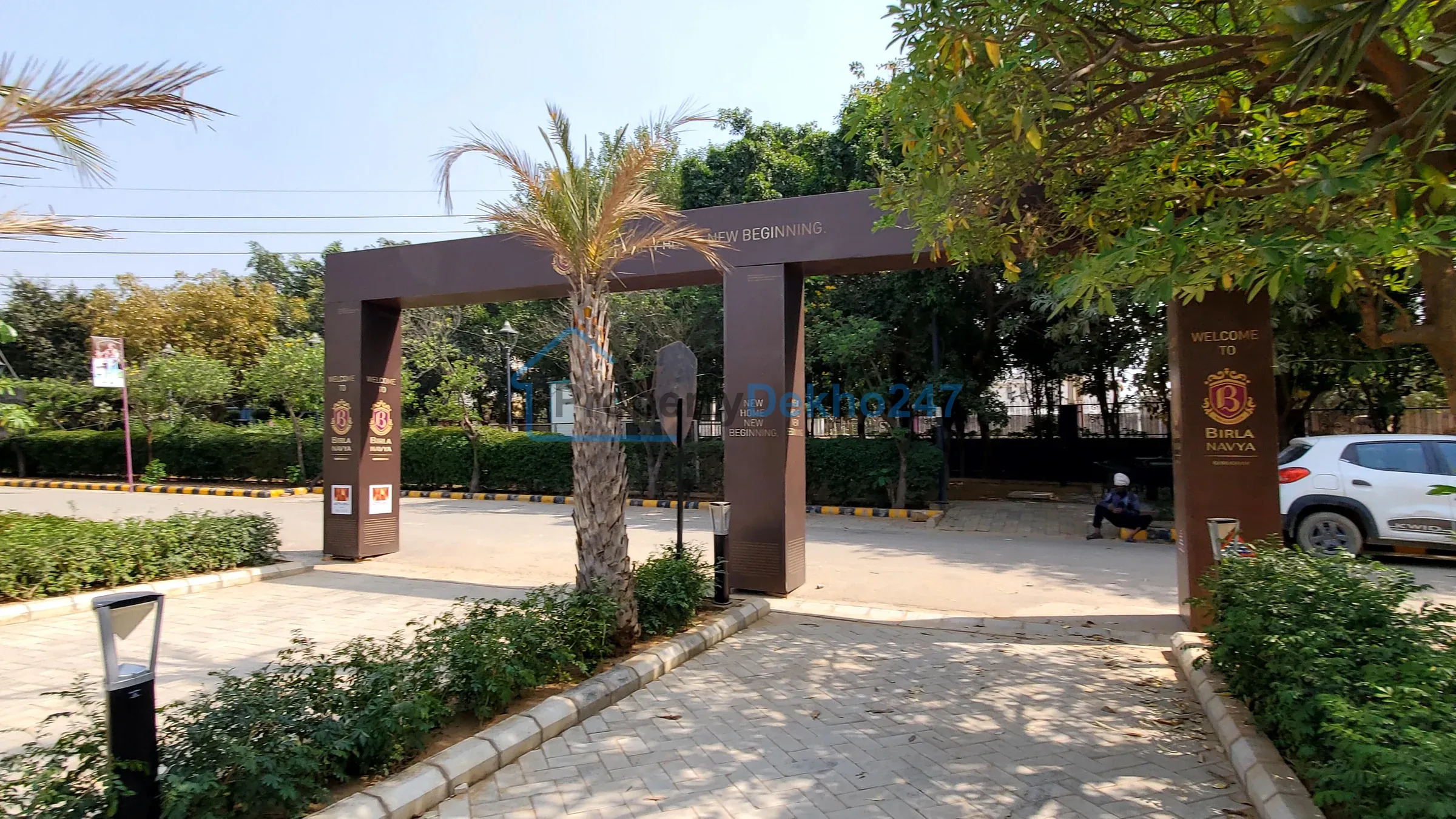
Owner Verified
Birla Navya Avik
Status: Under Construction
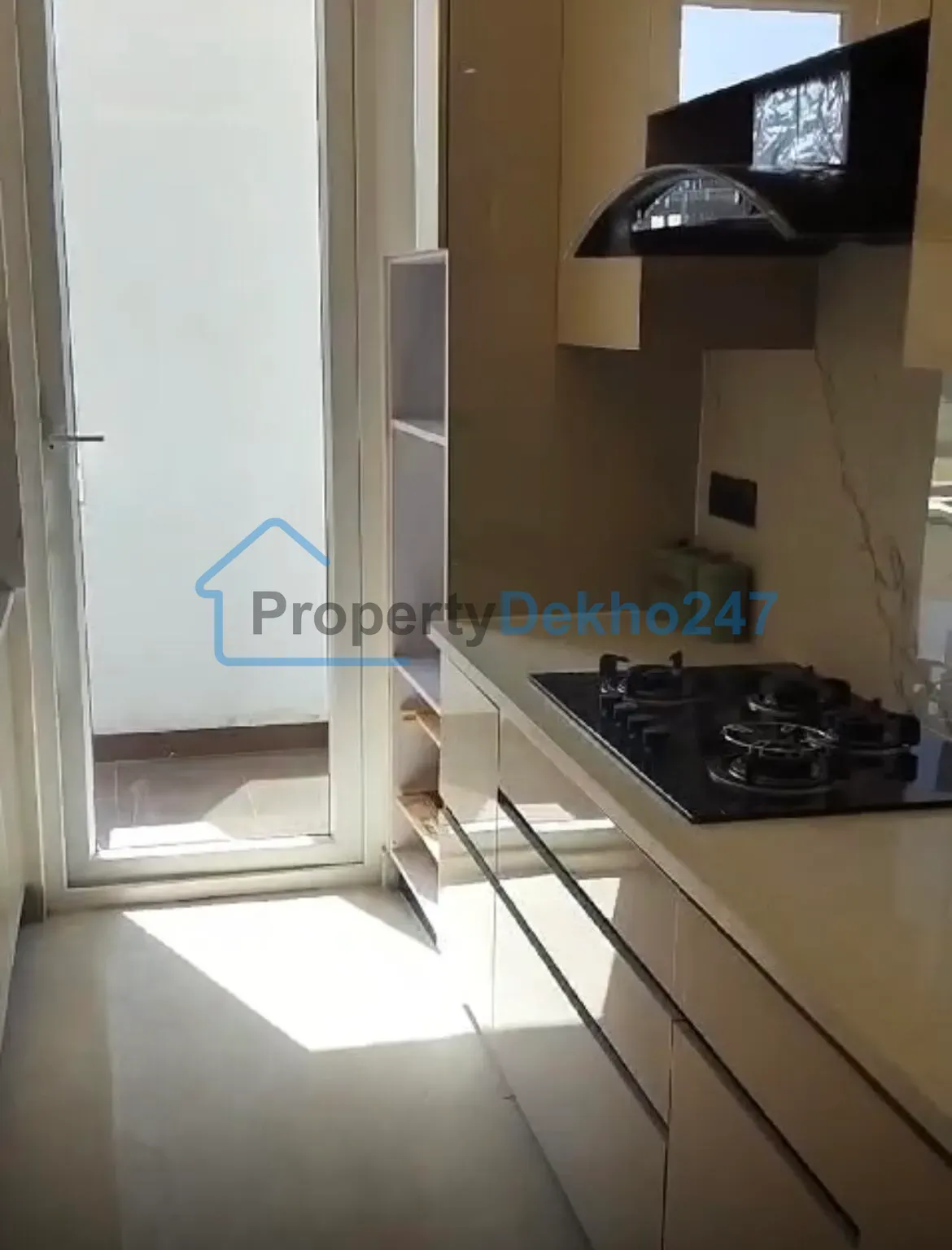
Owner Verified
Trehan Luxury Floors
Status: Ready to move
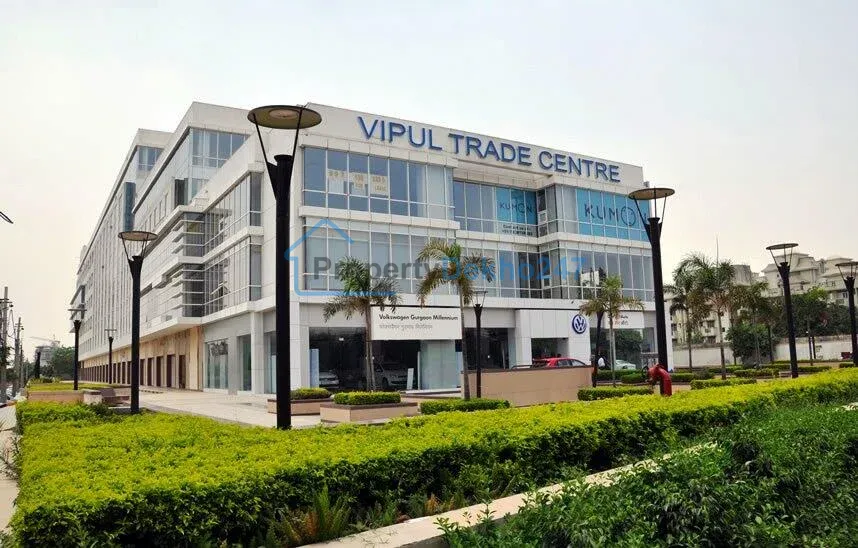
Owner Verified
Vipul Trade Centre
Exact floor hidden for Owner Privacy.Status: Ready to Move
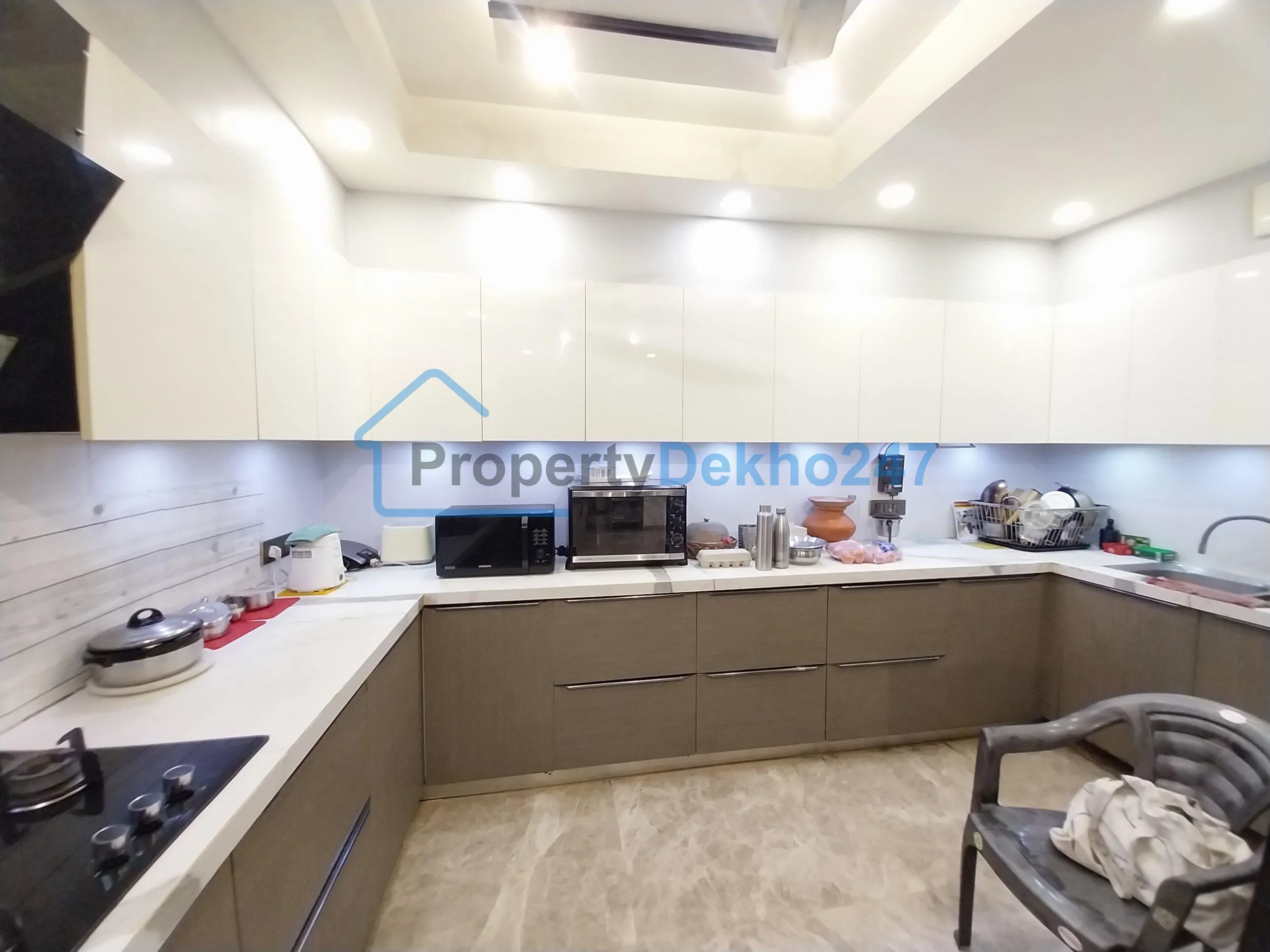
Owner Verified
Sushant Lok Phase 1
Status: Ready to move
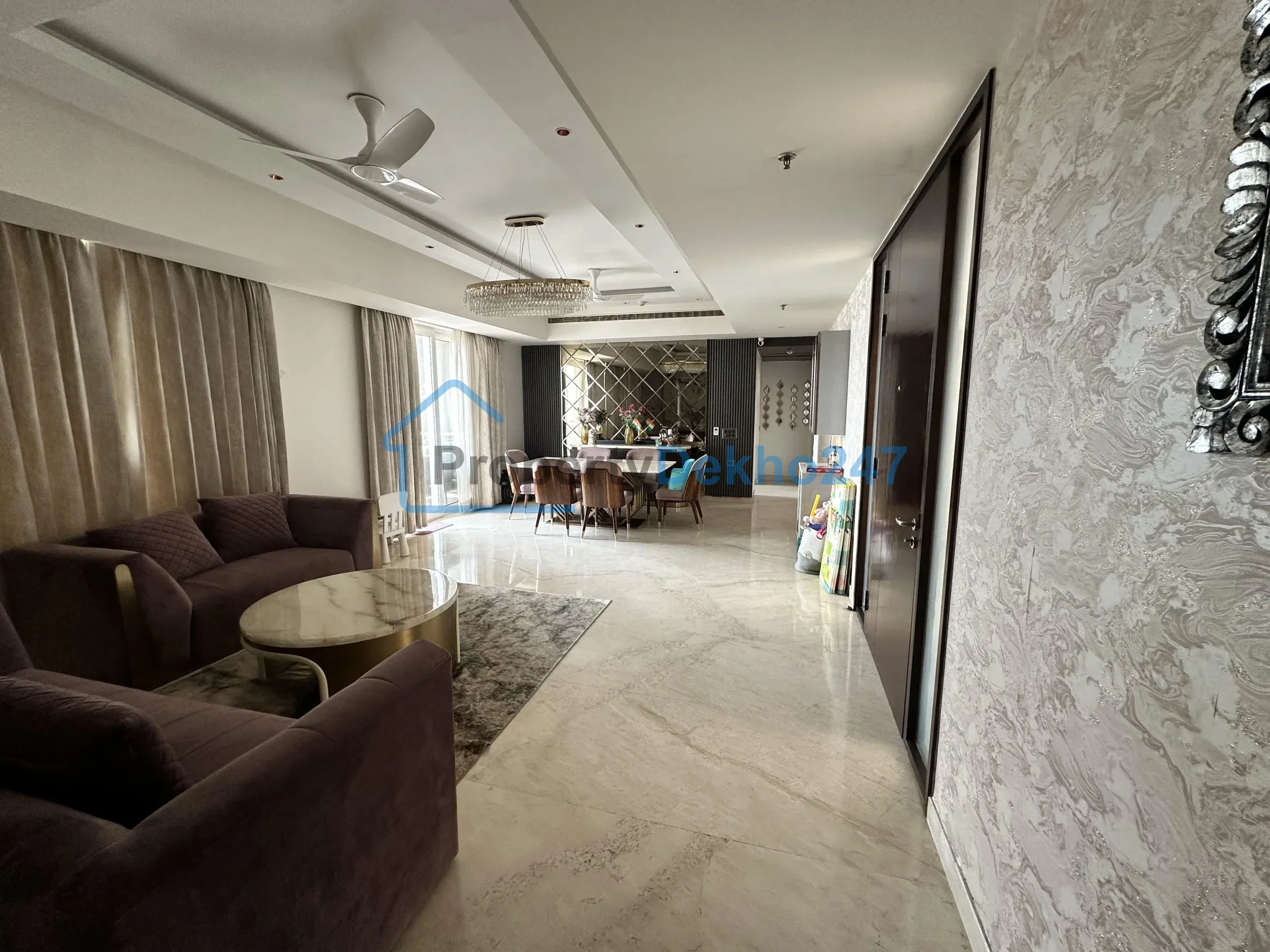
Owner Verified
Mahindra Luminare
Exact floor hidden for Owner Privacy.Status: Ready to move
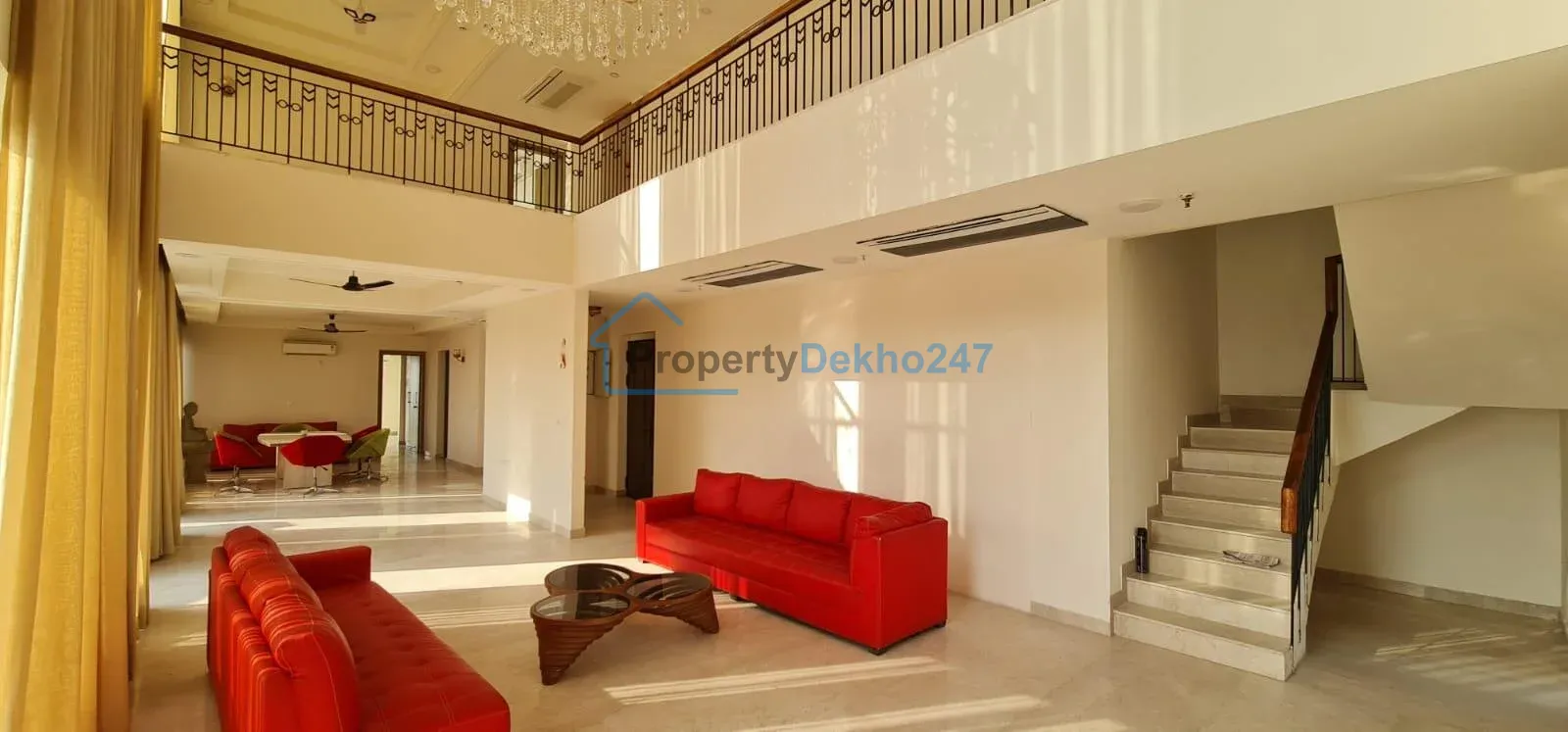
Owner Verified
ATS Tourmaline
Exact floor hidden for Owner Privacy.Status: Ready to move
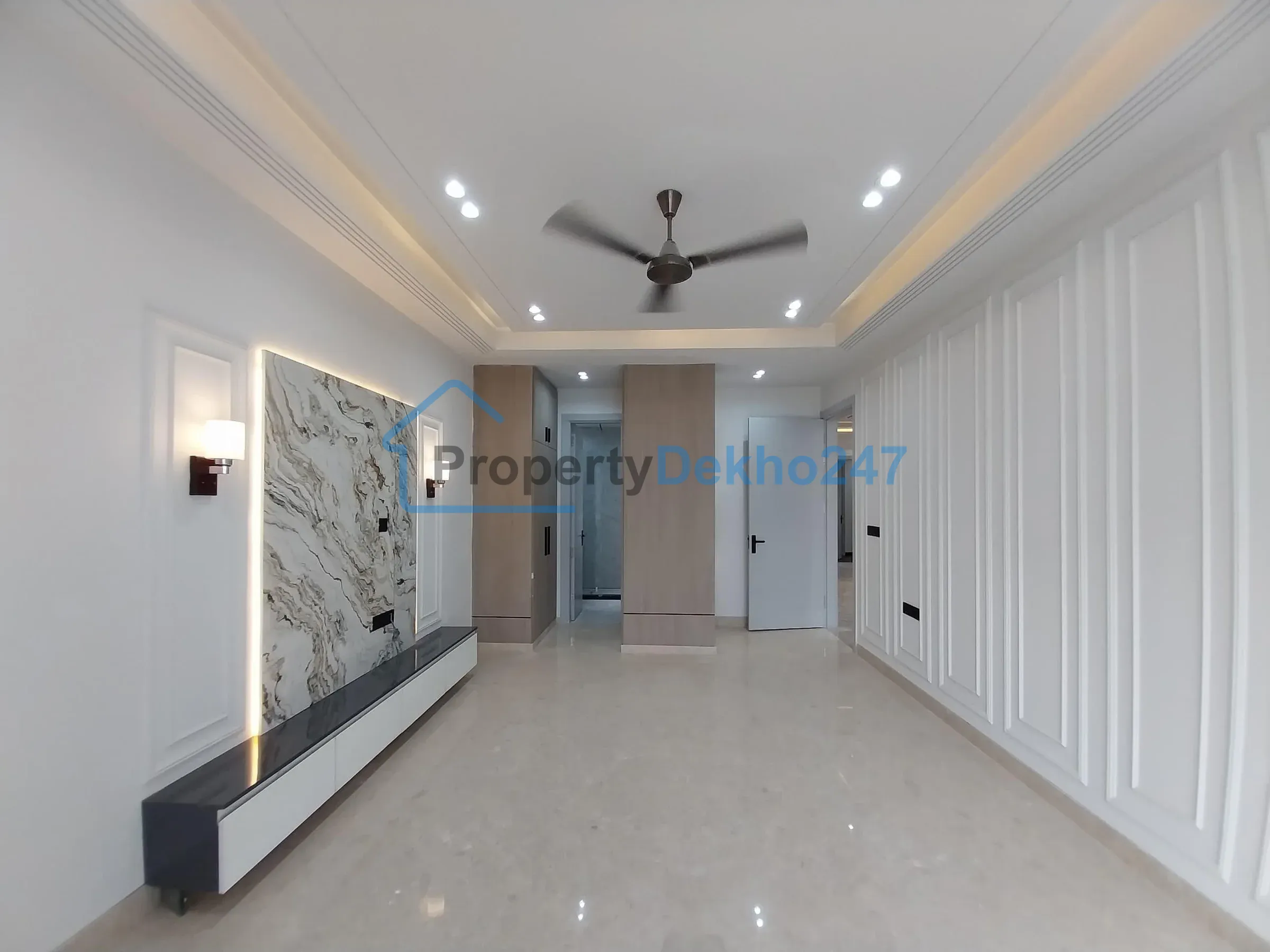
Owner Verified
SS Aaron Ville
Status: Ready to move
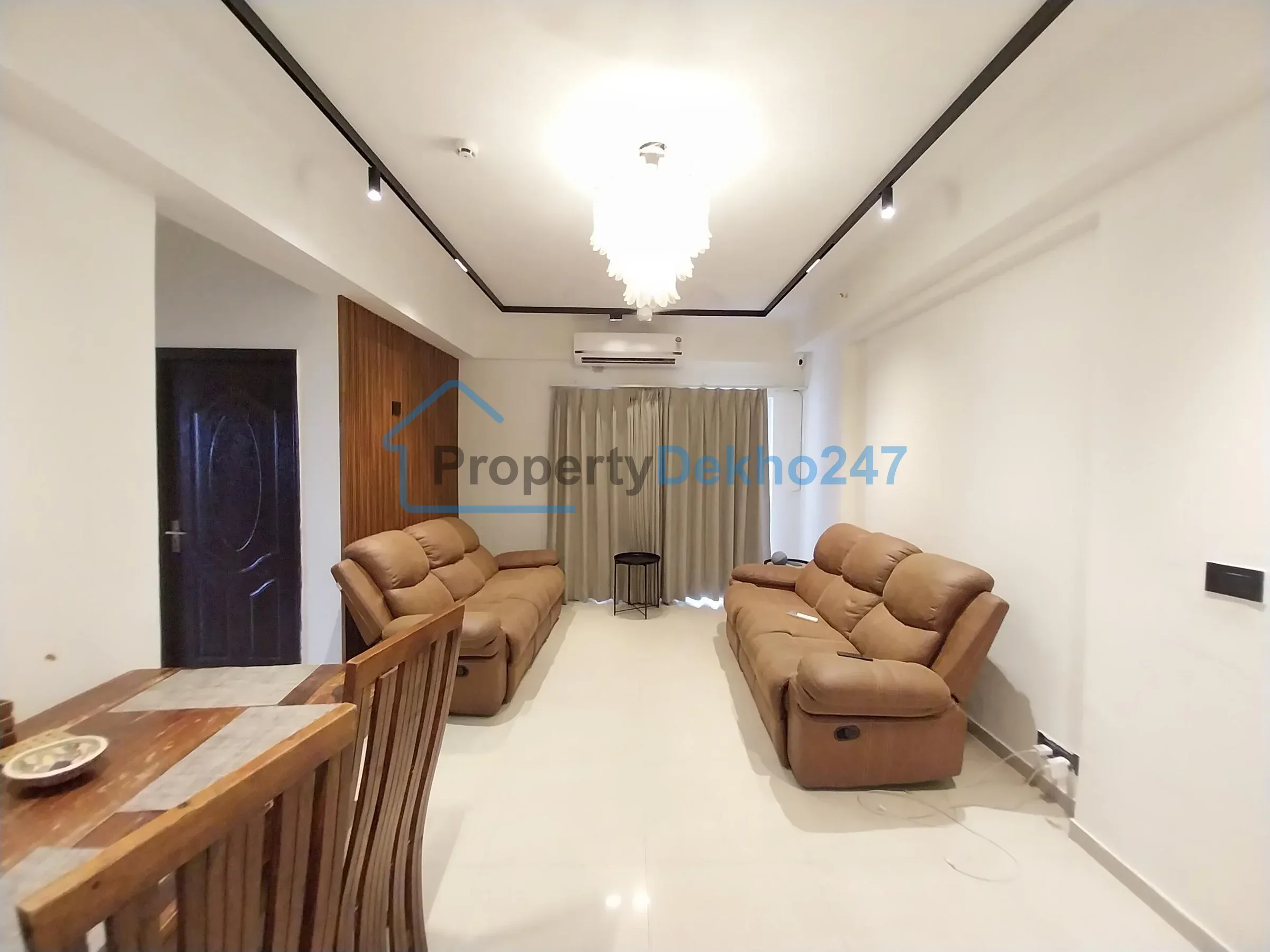
Owner Verified
Assotech Blith
Exact floor hidden for Owner Privacy.Status: Ready to move

Owner Verified
County The Center Court
Exact floor hidden for Owner Privacy.Status: Ready to move
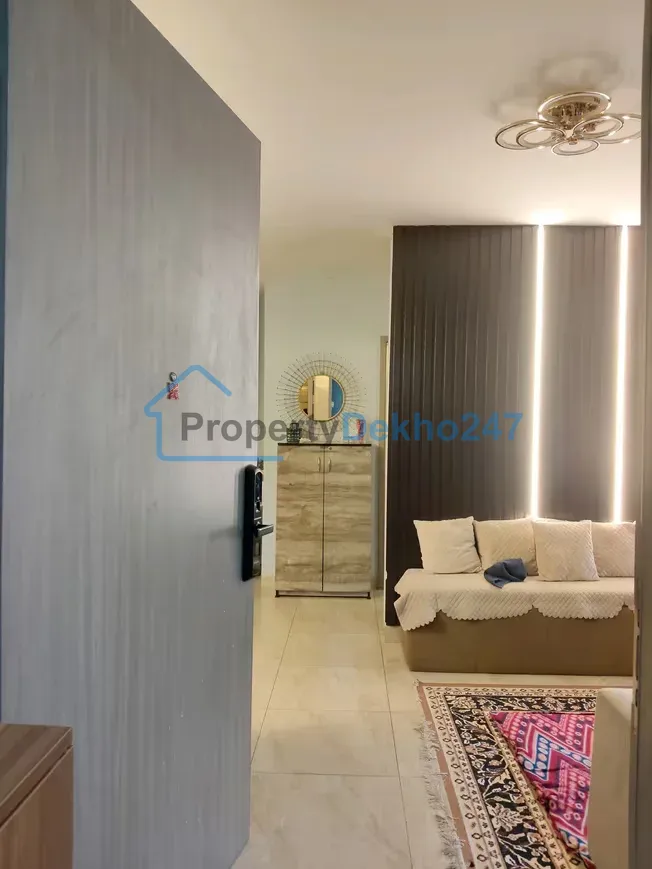
Owner Verified
Emaar MGF Palm Hills
Exact floor hidden for Owner Privacy.Status: Ready to move
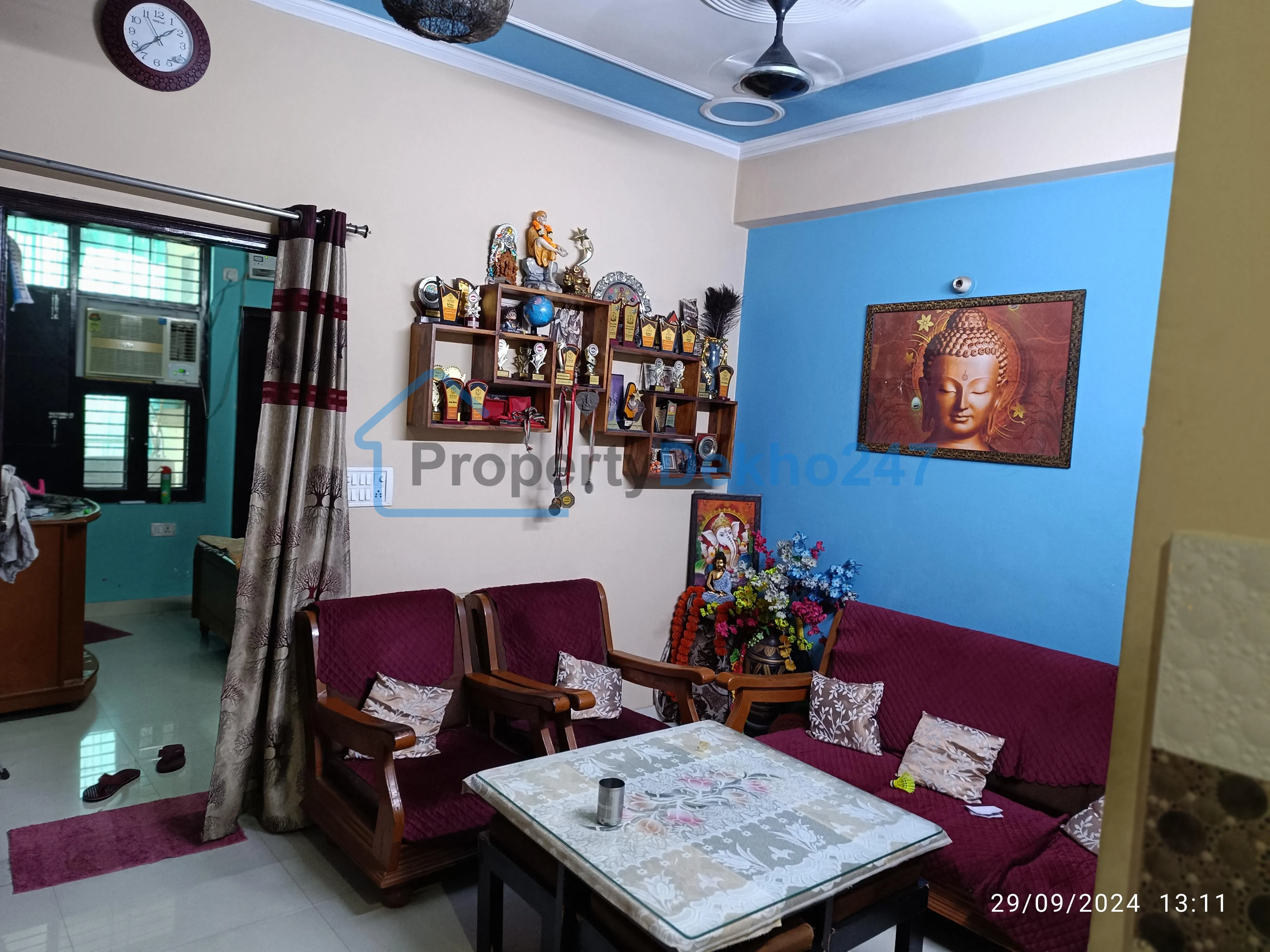
Owner Verified
Ashok Vihar Phase 2
Status: Ready to move
Related Properties
Owner Verified
Vatika Gurgaon 21
Exact floor hidden for Owner Privacy.Status: Ready to move
Owner Verified
Birla Navya Avik
Status: Under Construction
Owner Verified
Trehan Luxury Floors
Status: Ready to move
Owner Verified
Vipul Trade Centre
Exact floor hidden for Owner Privacy.Status: Ready to Move
Owner Verified
Sushant Lok Phase 1
Status: Ready to move
Owner Verified
Mahindra Luminare
Exact floor hidden for Owner Privacy.Status: Ready to move
Owner Verified
ATS Tourmaline
Exact floor hidden for Owner Privacy.Status: Ready to move
Owner Verified
SS Aaron Ville
Status: Ready to move
Owner Verified
Assotech Blith
Exact floor hidden for Owner Privacy.Status: Ready to move
Owner Verified
County The Center Court
Exact floor hidden for Owner Privacy.Status: Ready to move
Owner Verified
Emaar MGF Palm Hills
Exact floor hidden for Owner Privacy.Status: Ready to move
Owner Verified
Ashok Vihar Phase 2
Status: Ready to move